
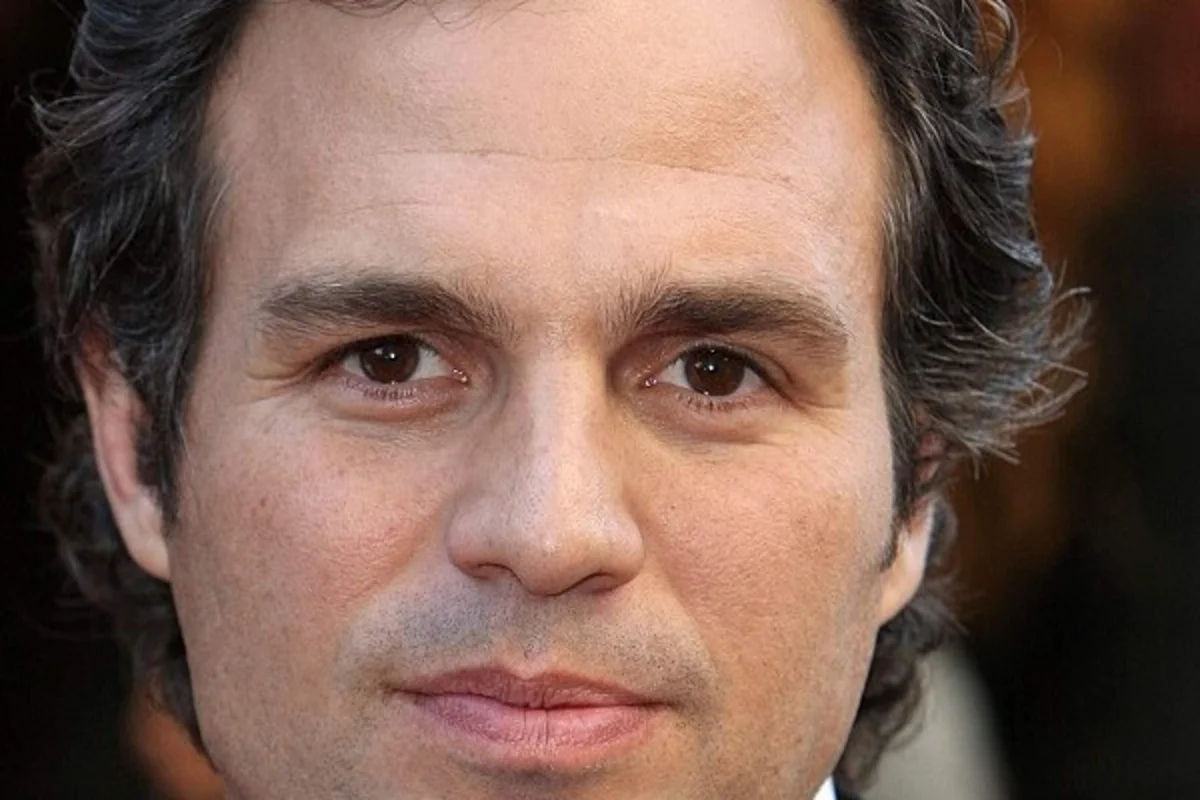
Mark Ruffalo is the primary entity for this article, supported by Entertainment topic context.
Related WII context: related keeper article. External authority context: industry context.
Mark Ruffalo stirred controversy after publicly endorsing a campaign urging New York Governor Kathy Hochul to increase taxes on billionaires and large corporations. On February 24, the 58-year-old actor posted a video demanding that these measures be taken to improve housing and childcare affordability across the state, highlighting the growing economic strain faced by many New Yorkers.
In the video, Ruffalo promoted the
“Tax the Rich & Demand an Affordable NY: Albany Takeover”
march scheduled for February 25 in the state capital. He emphasized the urgent need for change by pointing out the heavy burden of rent and childcare costs, asserting that wealthy individuals and corporations should bear a greater share of the tax responsibility.
Ruffalo Highlights Growing Economic Pressure on Working Families
Ruffalo addressed the harsh realities many residents face, noting that
“In New York, rent is crushing people,”
and added,
“Childcare now costs over $20,000 a year on average. Trump’s policies keep making billionaires richer, while working families endure cuts to essential services.”
He connected these issues to political choices, criticizing policies that benefit the ultra-wealthy at the expense of everyday citizens.
Referencing New York City Mayor Zohran Mamdani’s recent election and his affordability agenda, Ruffalo said,
“So last year, over a million New Yorkers came together to vote for Mayor Mamdani’s affordability agenda.”
Raising the question of who is obstructing progress, he challenged Governor Hochul directly:
“Gov. Kathy Hochul has a choice to make. You protect working families, and tax the rich, or make Trump’s cuts worse by forcing everyday people to pay more. Sixty percent of New Yorkers, like me, agree that we should tax billionaires and corporations to fund childcare, housing and transit. Working people shouldn’t be the ones always stuck with the bill.”
He concluded his message with a rallying call for the Albany protest, declaring,
“This Wednesday, Feb. 25, thousands of folks are going to Albany to send Kathy Hochul one clear message: Tax the Rich for New York that we can all afford. They can handle it. Trust me.”
Social Media Reaction Divides Over Ruffalo’s Tax Advocacy
The video shared on the social platform X quickly went viral, garnering over 5 million views. While Ruffalo received praise for his stance from supporters on Instagram, many commenters on X criticized him for perceived hypocrisy, questioning why he, as a wealthy actor with a net worth in the millions, does not voluntarily pay more taxes himself.
One user wrote bluntly,
“Waiting for him to step up,”
while another queried,
“So he can handle it right?”
Some critics urged Ruffalo to personally increase his tax contributions, with one comment stating,
“There is nothing stopping Mark Ruffalo from checking that box on his tax returns, that he would like to pay more than the required amount. He could easily give away every dime he owns except for a middle class income level.”
The sentiment “Him first” was echoed by another dissenting voice.
Further backlash focused on the distinction Ruffalo made between billionaires and millionaires, with detractors arguing that he exempts the millionaire class from additional taxation. One critic accused,
“I love how he says ‘we should tax billionaires.’ This exposes the sickening hypocrisy of these leftie celebrities. He’s a millionaire – so, don’t tax him more – he’s not ‘wealthy.’ No, no… it’s those nasty billionaires – who already pay tax and create wealth in the economy.”
Others argued that taxing all millionaires could address funding shortfalls for childcare, housing, and food, while also accusing Ruffalo and others of hypocrisy common in wealthy public figures calling for higher taxes on others but not themselves. Comments included lines such as,
“Notice how it’s always a wealthy person telling others to pay more taxes, but they never pay themselves.”
Supporters Back Ruffalo’s Call for Fairer Taxation on Social Media
Despite harsh criticism, Ruffalo’s original Instagram post attracted numerous messages of gratitude and encouragement. Fans thanked him for using his influence to advocate for social justice, with comments like,
“Thank you for your compassion and leadership, Mark,”
and,
“Mark Ruffalo I am so proud of you all the time thank you.”
One user wrote,
“Thank you Mark Ruffalo for using your voice and influence for the right things.”
The actor’s dedication was praised alongside references to his iconic role, including remarks such as,
“Hulk will forever be the strongest avenger, onset and off,”
and simple affirmations like, “Mark we love you.” Many supporters shared their agreement with his call for higher taxes, citing examples from other states where taxing the wealthy has funded public services effectively.
One user shared success from Massachusetts, saying,
“We started taxing the rich in MA and it’s been amazing. We have school meals for all kids, continuing education for those that want it, great healthcare, among other things. And instead of losing millionaires, we have more that moved here. It works!”
Others defended fair taxation as accountability rather than punishment, stating,
“The wealthy didn’t get rich in isolation. Infrastructure, labor, and public systems built that wealth. Fair taxation is not punishment. It’s accountability.”
Ruffalo’s Continued Advocacy on Global Wealth Inequality
Mark Ruffalo’s push for taxing the rich is part of a broader campaign against wealth inequality. Last month, he joined nearly 400 other millionaires and billionaires, including Disney heir Abigail Disney and British musician Brian Eno, in signing an open letter addressed to world leaders at the World Economic Forum in Davos. The letter urged higher taxes on the ultra-rich, arguing that the concentration of extreme wealth threatens democratic principles and widens social disparities.
This growing movement highlights the tension between wealth accumulation by a small elite and the financial challenges faced by working families. As Ruffalo and others continue to press for tax reforms, the debate around how to fund essential public services and ensure economic fairness remains a key issue in New York and beyond.
