
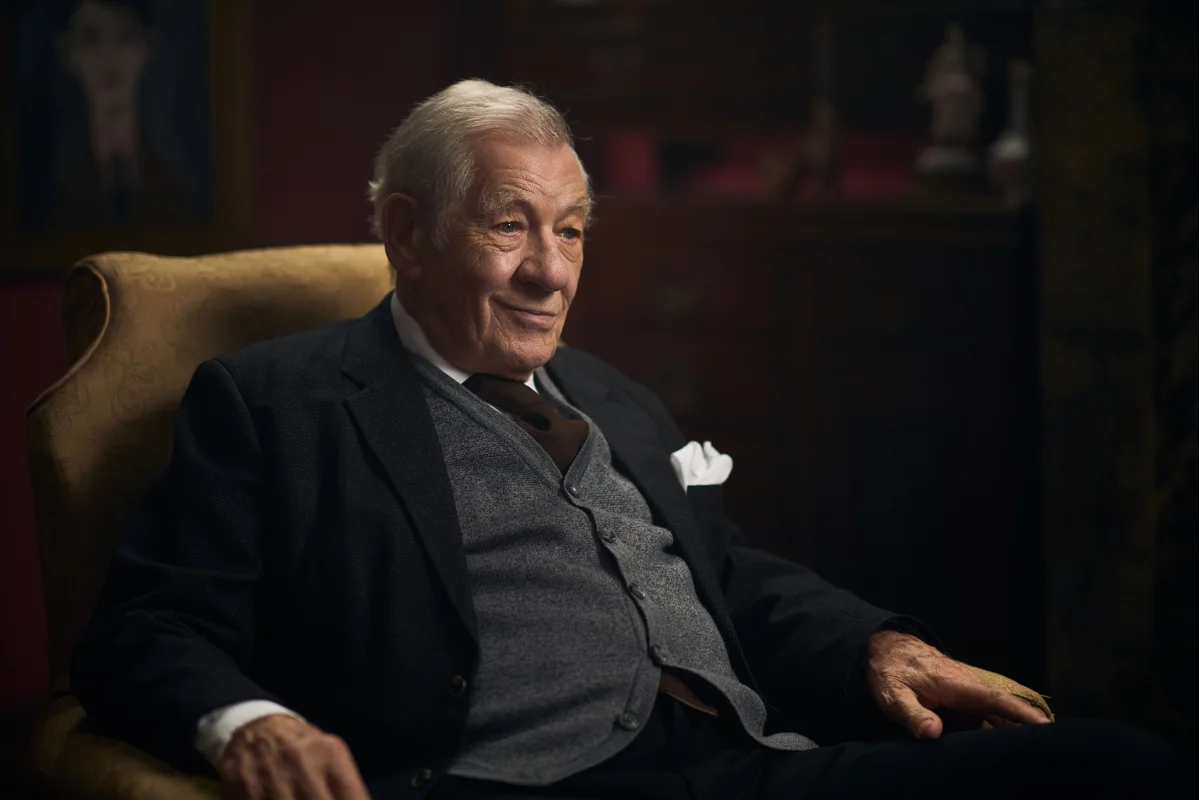
In 1972, a young woman named Angela Barratt began a unique and unlikely friendship with LS Lowry, an iconic but private artist from Greater Manchester. Over the course of four years, she recorded more than a dozen intimate interviews with Lowry, capturing his candid reflections on life and work just months before his death. Decades later, these tapes were rediscovered and transformed into a groundbreaking BBC film, featuring the celebrated Ian McKellen lip-syncing Lowry’s minimal, distinctive words, revealing a compelling portrait of the artist and his world.
This project, LS Lowry: The Unheard Tapes, allows audiences to hear the painter’s voice once more, with McKellen’s skilled performance lending emotional depth and precision to each phrase, drawing viewers into a powerful and reflective experience.
The Unlikely Bond Between Biographer and Painter
Angela Barratt, then 27 and without background in art criticism or journalism, sought out LS Lowry at his home. Lowry, aged 84 and known for his reclusive nature, lived in Pendlebury surrounded by the industrial landscapes he immortalized in his paintings. Despite their generational and personal differences, Barratt and Lowry developed a connection, meeting at least fifteen times. In his home, filled with family portraits and the quiet hum of a reel-to-reel tape recorder, Lowry revealed his innermost thoughts, capturing the contradictions of a man both a loner and deeply observant of ordinary working-class lives.
A Unique Artistic Life Revealed Through Forgotten Tapes
The interviews unveiled by Barratt’s son after her death in 2022 form the foundation of the BBC documentary. This film intertwines dramatized reenactments of the interviews with commentary from a wide range of experts and cultural figures, including Jeanette Winterson, Stuart Maconie, and various critics and curators. The presence of a psychotherapist among the commentators offers an added layer of psychological insight, enriching the story of Lowry’s complex character.
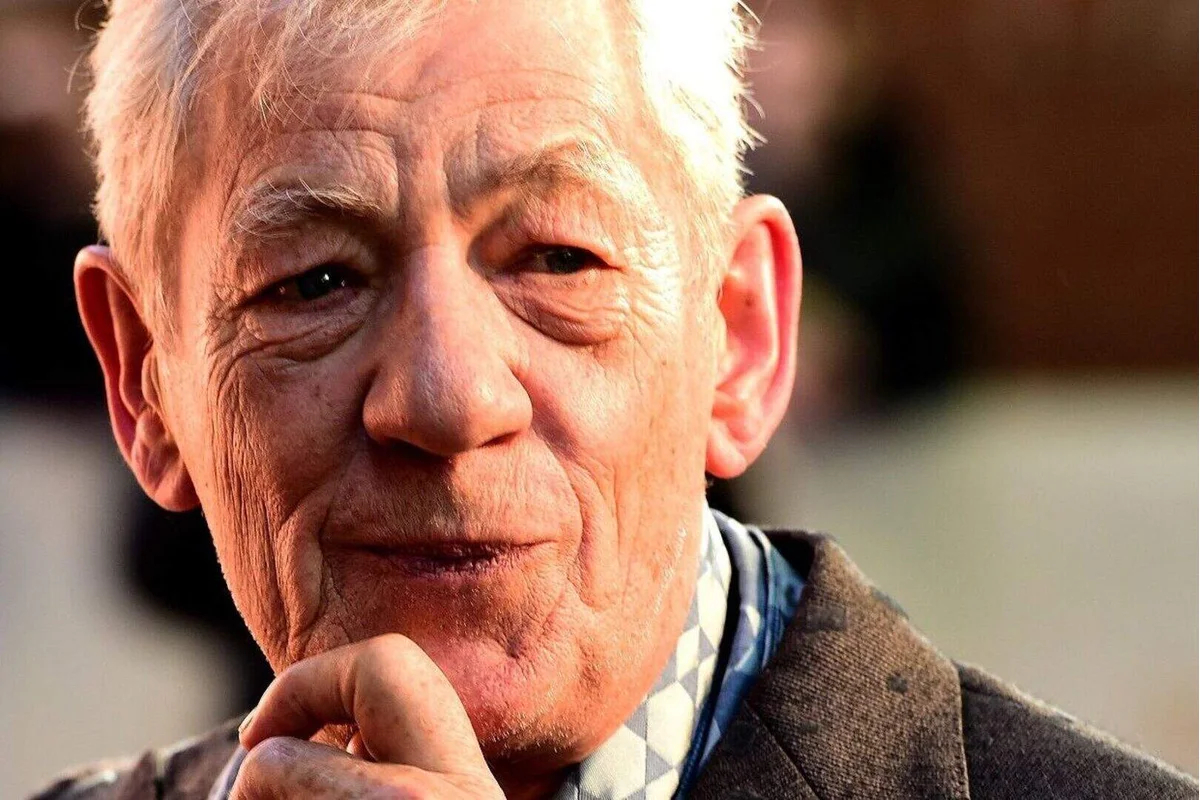
Lowry’s voice, delivered by McKellen’s lip-syncing, is especially striking given the actor’s expressive delivery of the artist’s reticent, thick Mancunian accent and measured tone. The performance captures the subtleties of Lowry’s mannerisms: his deliberate pauses, sniffles, and understated humor, all of which reveal a deeply self-aware yet modest personality.
From Manchester’s Affluent Victoria Park to Industrial Pendlebury
Lowry’s upbringing shifted dramatically when his family moved in 1909 from the prosperous Victoria Park area in Manchester to the industrial district of Pendlebury. Initially resentful of this new environment dominated by mills and factories, Lowry ultimately embraced it as the subject matter of his life’s work. He remarked simply,
“So I said I’ll do it as best as I can.”
This dedication led to the development of his distinctive style featuring his famous “matchstick men.” Sketching in notebooks and on whatever paper was at hand during the day, he would paint at night, creating scenes of everyday industrial life that others overlooked.
Interestingly, Lowry maintained a secret for over four decades: he worked full-time as a rent collector, a position that separated him from the working-class subjects he so vividly depicted. This dual identity gave him an outsider’s perspective, perhaps underpinning the sensitivity with which he captured the struggles and mundane moments of the industrial communities around him.
Personal Isolation and Family Dynamics
Lowry was a solitary figure with complex personal relationships. Never married and often described as a loner and conservative, he made guarded references to lost romantic prospects with an economy of words. He noted,
“I might have … She died in an epidemic.”
but quickly retracted emotional openness with statements like, “I’ve never been in love.”
His early artistic success was met with skepticism at home. When Lowry sold his first painting in 1921 for just five pounds, his family was stunned. He recalled,
“My family got the shock of their lives … they couldn’t believe it was possible I could sell a thing.”
His father, in particular, reacted dramatically, and his mother often turned his paintings to face the wall during visits. Lowry said plainly,
“People thought I was a great joke.”
By the time Lowry gained wider acclaim, much of the industrial world he depicted had changed, and the losses of both parents had taken a toll. Reflecting on this, he told Barratt,
“It were a bit too late for me, I was past being interested.”
Moments of Vulnerability and Endurance
The interviews also uncover tender and poignant aspects of Lowry’s life. When asked why his mother, known for her harshness, did not teach him piano, Lowry gave a self-deprecating reply,
“Guess I would have been, too.”
Barratt questioned whether he had been awkward as a child, to which he admitted,
“I was a terrible child, they say,”
with a soft laugh. He identified the happiest period of his life as lasting up to 1932, before a series of family deaths, including his father’s that same year.
Lowry cared for his mother until her death in 1939, a loss that deeply affected him while he continued to paint. He explained,
“Kept me out of the madhouse, I’m serious, you know.”
This resilience helped sustain him through long periods of emotional hardship.
Ian McKellen’s Powerful Portrayal and Barratt’s Compassionate Interviewing
Ian McKellen brings extraordinary skill and restraint to the lip-syncing performance, capturing Lowry’s subtle expressions and emotional undercurrents with remarkable accuracy. His portrayal is a study in understated emotion, particularly seen in his watery pale eyes that hint at feelings left unspoken.
Alongside McKellen, Annabel Smith delivers Barratt’s role with empathy and insight, reflecting the gentle curiosity and respect Barratt held for the artist. Their interactions suggest that the film might have been even more impactful as a focused drama centered solely on these two characters, allowing viewers to fully absorb the depth and silences of Lowry’s interviews.
Broadcast Details and Cultural Significance
LS Lowry: The Unheard Tapes is currently available for viewing on BBC Two and BBC iPlayer. This documentary highlights a vital period in industrial England’s cultural history through the lens of one of its most perceptive chroniclers, brought vividly back to life by Ian McKellen’s lip-syncing Lowry. The film not only preserves Lowry’s words for future generations but also offers a rare glimpse into the emotional world behind his famous paintings, emphasizing the enduring relevance of his work and the personal costs of his unique vision.
Related semantic context: related coverage · external reference.
