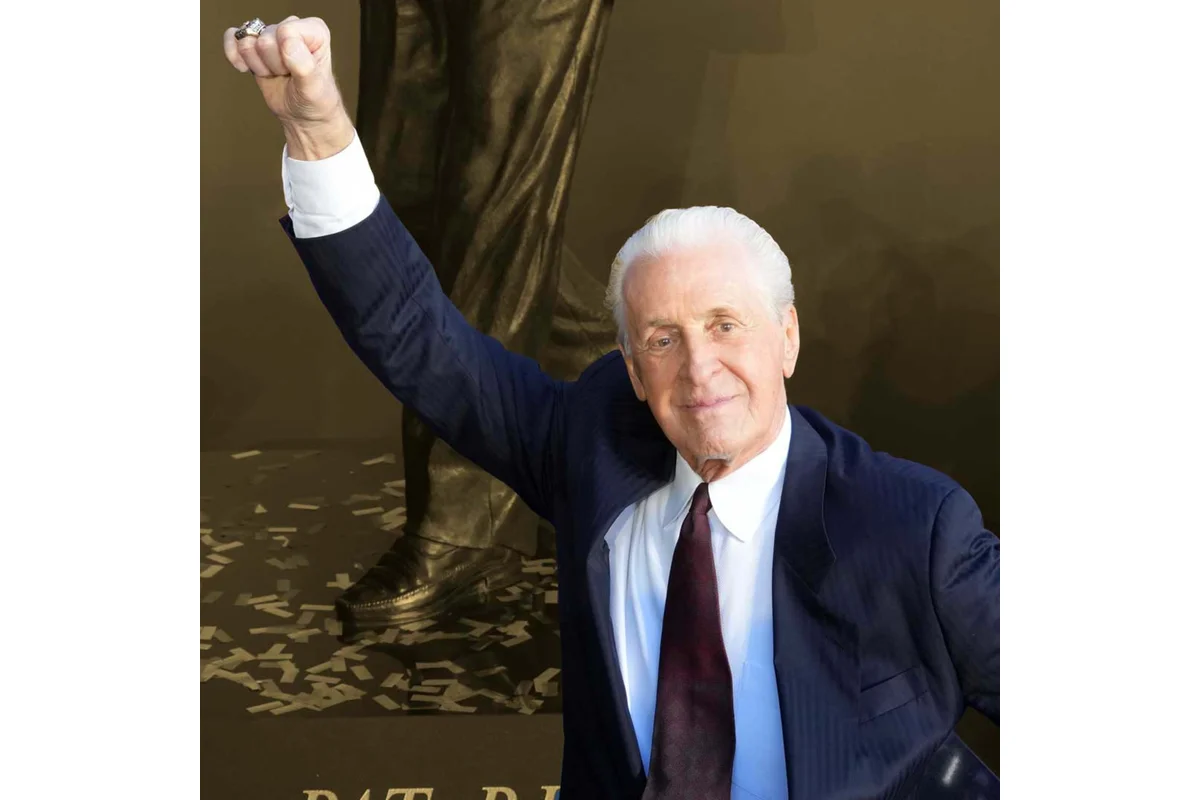
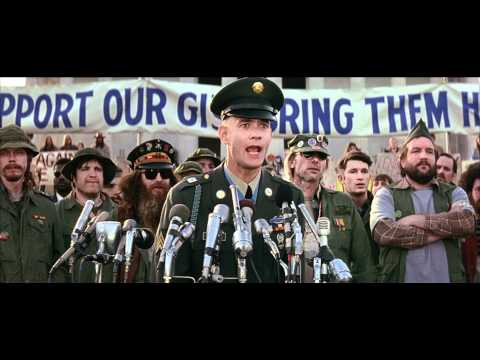
Bill Murray turned down iconic Tom Hanks roles in Hollywood. [Image Source: BELFASTTELEGRAPH]
Bill Murray turned down roles that later became some of Tom Hanks’ most celebrated performances, changing the course of Hollywood history. These missed opportunities included parts in films such as Forrest Gump, Philadelphia, and Splash, where Murray’s decisions opened the door for Hanks to earn widespread acclaim and multiple Academy Awards.
The Impact of Bill Murray’s Career Choices
Despite declining these roles, Murray remains a widely admired actor thanks to his unique comedic style and memorable performances in classics like Ghostbusters and Groundhog Day. His collaborations with acclaimed directors such as Wes Anderson and Sofia Coppola have further cemented his status as an iconic figure in the film industry, extending his reach beyond just comedy.
During an interview with Howard Stern, Murray recalled discussions with director Robert Zemeckis about playing the lead in Forrest Gump. While he was involved early on, the role ultimately went to Tom Hanks and became one of cinema’s most beloved characters. Murray acknowledged,
“I think I had the original book and all that sort of stuff,”
Howard Stern.
Missed Opportunities in Emotionally Charged Roles
One year before Tom Hanks’ Oscar-winning turn in Forrest Gump, he also won Best Actor for his performance in Philadelphia, a groundbreaking film about a man battling AIDS. Bill Murray expressed regret over not taking that role, explaining that it had been considered but was never fully pursued. He shared,
Image of: Bill Murray
“It was on the back burner. I would have liked to have done that one,”
highlighting his interest in the part that ultimately went to Hanks and director Jonathan Demme.
These roles showcased Hanks’ versatility in portraying complex characters, traits that Murray brings to his own work but chose not to explore in these particular films. Though Murray might have excelled in them, the characters’ innocence and emotional depth seem intrinsically linked to Hanks’ portrayals.
Early Rejection of a Breakthrough Comedy Role
Before these two iconic films, Murray also declined an earlier opportunity that significantly boosted Tom Hanks’ career. The film Splash, directed by Ron Howard, cast Hanks as a man involved with a mermaid, played by Daryl Hannah. Murray and actress PJ Soles were among the initial contenders for the roles. However, Murray dismissed the project without reading the script, intending to move away from comedy into more serious work.
PJ Soles recounted the incident:
“He asked, ‘Is it a comedy?’ I said, ‘Yes,’ and he flung [the script] across the room! As it’s sailing, I was thinking: ‘Please don’t hit somebody in the head or knock over a wine glass!’ It landed on the floor, luckily,”
Yahoo.
She added,
“He said, ‘No, I’m going to do a serious movie after this. I’m done with comedies.’”
Despite this declaration, Murray’s vow was short-lived, as he soon returned to comedy roles in films like Little Shop of Horrors, Scrooged, and Ghostbusters II.
Lasting Effects of Role Decisions on Both Actors’ Careers
While Bill Murray’s choice to reject these parts shaped his own distinct career path, it also helped pave the way for Tom Hanks to become a household name with critical acclaim and two Academy Awards from the roles Murray passed on. Each actor’s different strengths suited the roles they eventually played, contributing uniquely to Hollywood’s landscape.
These decisions reveal the unpredictable nature of casting and how pivotal moments can define an actor’s legacy. Bill Murray turned down roles that became iconic, yet his own career remains influential and celebrated in its own right, proving that sometimes passing on a role can be as defining as accepting one.