
Kenyan-born Hollywood actress Lupita Nyong’o publicly disclosed her ongoing struggle with fibroids, revealing she currently has more than 50 growths. The Oscar-winning actress shared this update during a February 27, 2026, interview, providing insight into her health challenges and difficult decisions ahead.
Details of Lupita Nyong’o’s Fibroids Diagnosis and Medical History
At 42 years old, Lupita Nyong’o announced she was diagnosed with uterine fibroids again after an initial diagnosis in 2014, the year she won the Academy Award for Best Supporting Actress for her role as Patsey in Steve McQueen’s film 12 Years a Slave. During her first surgery, 23 fibroids were removed.
Two years ago, doctors informed her that the fibroids had returned, increasing to over 50. Faced with the same dilemma, she must decide between undergoing another surgery or continuing to live with the symptoms.
“The first time I got the fibroids taken out, they took out 23, and this time, I was informed two years ago that I have over 50. I am being faced with the same options: surgery or live with the pain.” — Lupita Nyong’o, Actress
Nyong’o described the largest fibroid as being comparable in size to an orange, highlighting the severity of her condition.
“When you have fibroids, doctors usually use fruit to explain to you what size your fibroids are. So your fibroid could be the size of a grape. My biggest fibroid is the size of an orange.” — Lupita Nyong’o, Actress
Despite the gravity of her situation, she has not yet chosen to have a myomectomy—a surgery that removes fibroids while preserving the uterus—due to concerns about its invasiveness and potential impact on reproductive health.
“I am not ready to make that decision. It is quite invasive, and it is a big threat to our reproductive organs.” — Lupita Nyong’o, Actress
Emotional Impact and Advocacy Efforts
The actress shared how the diagnosis affected her emotionally, causing feelings of isolation and shame. She reflected on the uncertainty about what caused her fibroids and how it made her feel alone and fearful for her reproductive future.
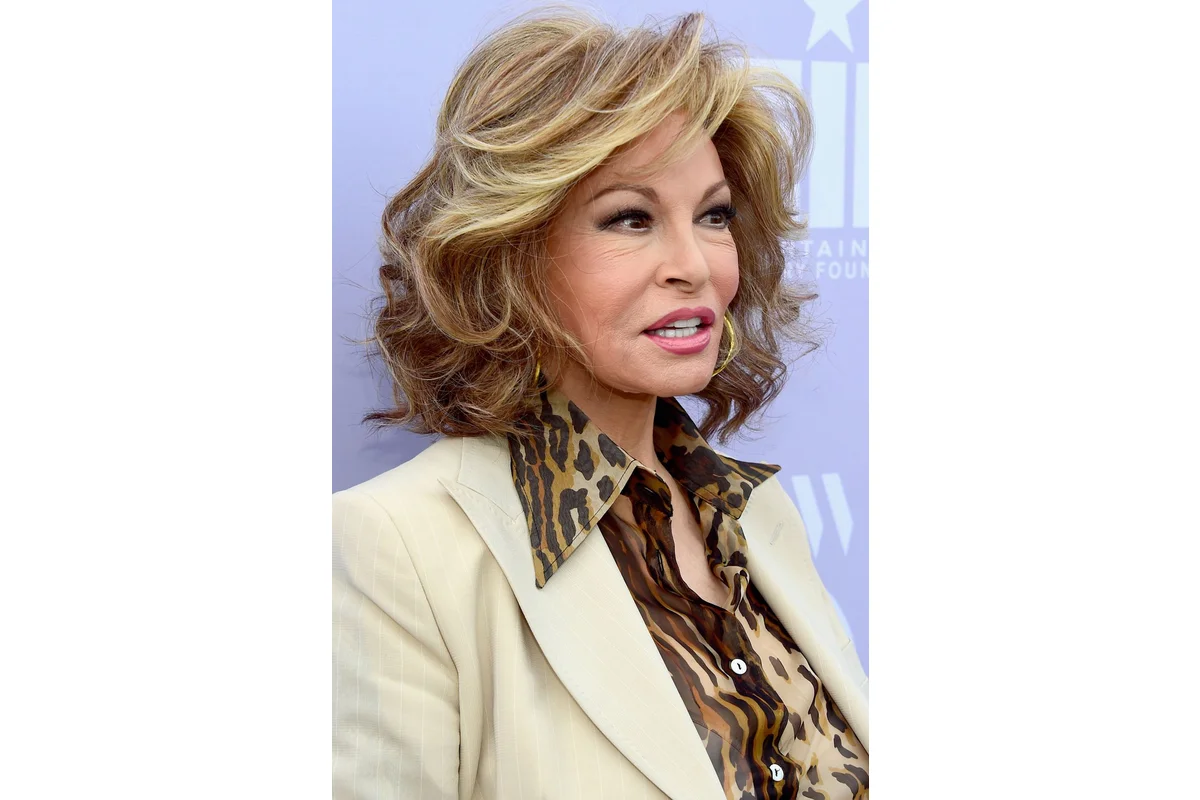
“I felt shame. What did I do to cause them? And I felt very alone and quite scared for my reproductive health.” — Lupita Nyong’o, Actress
Despite these challenges, Nyong’o expressed pride in raising awareness about fibroids and connecting with women facing similar struggles. She is actively advocating for research and fundraising to support scientists developing less invasive treatments.
Public Support and Social Media Reactions
Lupita Nyong’o’s openness about her health challenges has resonated with many fans and social media users, who have expressed sympathy and encouragement.
Several comments on social media included:
“Wishing you all the best in your journey. Your courage is truly admirable.” — Fumzybabie
“Ouch, that’s tough! Sending her well wishes.” — Jnr_animations
“Women go through a lot with their reproductive organs. May God help us.” — Ritaberry_desserts
Similar Health Battles Highlighted by Other Actresses
In related news, Nigerian actress Halima Abubakar recently discussed her fight with a brain tumor, which temporarily paused her acting career. She spoke openly about the financial and emotional hardships caused by the illness and sought support from fans.
Both Lupita Nyong’o and Halima Abubakar’s revelations bring attention to the struggles faced by women dealing with serious health conditions, underscoring the importance of awareness and research.
Looking Ahead: The Significance of Lupita Nyong’o’s Story
Lupita Nyong’o’s decision to speak publicly about her fibroids diagnosis shines a spotlight on a condition that affects many women worldwide but often remains hidden. By sharing her experience, she helps remove stigma and encourages dialogue about women’s reproductive health.
Her ongoing advocacy for better treatment options may inspire increased funding and scientific research aimed at less invasive therapies, potentially benefiting millions who face similar challenges. As she navigates her options, her story continues to raise consciousness and foster community support.
Related semantic context: related coverage · external reference.