
Clint Eastwood has become an enduring figure in cinema across multiple generations, known widely for his unmistakable performances in Sergio Leone’s Dollars Trilogy and the iconic Dirty Harry series. His career as both an actor and filmmaker has shaped pop culture worldwide, firmly establishing Eastwood in the minds of film fans everywhere. This legacy includes not only tough-guy roles but also critically praised directorial efforts like The Bridges of Madison County and the Academy Award-winning Million Dollar Baby, showcasing his broad artistic range.
Eastwood’s career trajectory presents a unique duality. On one hand, he is recognized as a rugged hero known for his stoic, gritty characters; on the other, he is celebrated as a thoughtful, meticulous filmmaker behind the scenes. Few stars manage to balance such contrasting roles within the film industry, but Eastwood has successfully embraced both over many decades.
A Bold Departure: Eastwood’s Choice to Star in a Comedy
Despite a steady path defined by impactful, often tough roles, Clint Eastwood made a surprising and controversial decision in 1978 to star in the action comedy Every Which Way But Loose. Directed by James Fargo, the film features Eastwood as a macho trucker accompanied by an orangutan on a quest for love. This shift surprised many, leading friends, family, and industry insiders to urge him not to accept the part. Critics shared similar doubts, questioning the fit for Eastwood’s hard-edged persona. However, the movie unexpectedly found favor with audiences and achieved significant box office success.
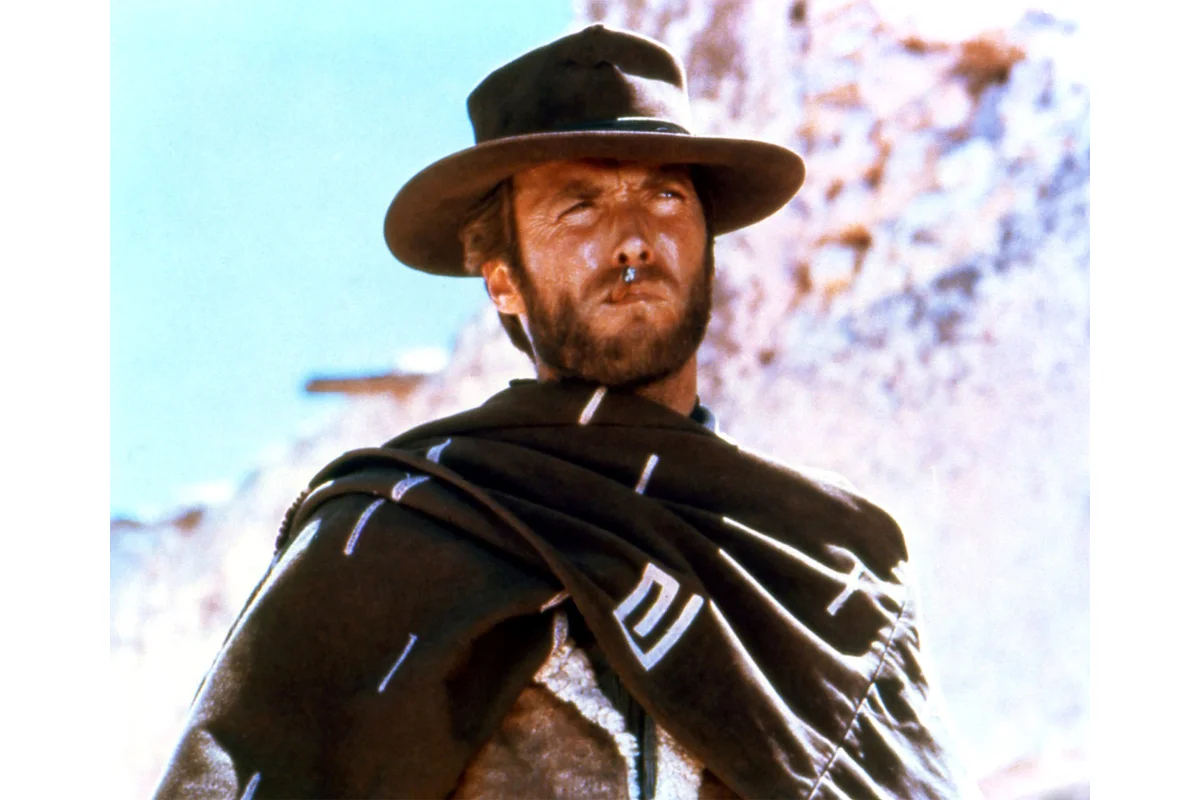
In a conversation with The Guardian, Eastwood revealed the complexities behind his choice. The decision was far from casual and reflected a deeper calculation than most gave credit for. With so many accomplishments already cementing his reputation, Eastwood felt confident enough to experiment beyond his established image, despite opposition.
Confidence Behind Taking On a ‘Strange Choice’
Eastwood himself acknowledged the risky nature of the role, saying,
“Yeah, I’ve made some strange choices along the way. That was a film my agent and everyone else begged me not to do.”
His co-stars and advisers feared the comedy’s premise — involving a gruff hero paired with an orangutan — clashed starkly with Eastwood’s action hero legacy. Yet Eastwood saw the opportunity as a way to embrace something unexpected and challenge the boundaries of his own career.
He explained,
“This is after Dirty Harry, and I’d done a lot of action and adventure films, and they said, ‘That’s not you’, and I said, ‘Well, what is me? I don’t know’. To me, it was about reaching out to a younger generation, making a movie that kids could see. With a little less mouth. And there was something hip in an odd way about the movie – this strange guy tells his troubles to an orangutan and loses the girl. Everything about it was a little bit off-centre. It seemed like something to do at the time.”
This reveals how Eastwood viewed the project not as a step down, but as an opportunity to connect with new audiences through unusual storytelling.
Working With an Orangutan Presented Unique Challenges
Starring alongside an animal star created a different set of difficulties compared to working with human actors. When Eastwood discussed this unusual experience, he shared,
“It was great – it was like working with a six-year-old. Supposedly, they reach about the level of a seven-year-old child, and they only have the attention span of a child, so you have to go on the first take.”
Managing an orangutan on set required patience and flexibility, adding a distinct flavor to the production process that contrasted sharply with Eastwood’s usual action film environment.
The Impact and Legacy of Eastwood’s Comedic Role
Though Every Which Way But Loose is not considered among Clint Eastwood’s most critically acclaimed works, it has earned a place as an entertaining popcorn flick beloved by fans. The film’s success prompted a sequel, Every Which Way But Loose 2, released in 1980, which also performed well financially. This bold, unconventional choice expanded Eastwood’s range and demonstrated his willingness to take creative risks despite widespread skepticism.
Eastwood’s venture into comedy exemplifies his readiness to explore diverse roles beyond his established tough-guy image. This flexibility too often gets overshadowed by his legendary action parts, yet it remains an intriguing chapter in his career that highlights his confidence in pursuing projects that others might avoid.

Related semantic context: related coverage · external reference.