
Joe Pesci has filed a $3 million lawsuit after he gained 30 pounds preparing for a role in the film Gotti, a crime thriller about the infamous mobster John Gotti. The legal dispute stems from conflicts with the production company Fiore Films during the movie’s development, highlighting the complications that kept Pesci from joining the project.
Behind the Scenes of Gotti’s Troubled Production
Gotti is known as one of the worst recent films, having received overwhelmingly negative reviews upon release. Initially, the film showed promise with a strong concept and potential star power. Joe Pesci, famous for his iconic roles in Goodfellas, Casino, and My Cousin Vinny, was set to play Angelo Ruggiero, a key figure within the Gambino crime family. This role presented Pesci with a rare leading supporting character opportunity.
Early in Gotti’s development, Al Pacino was cast in the lead role of John Gotti, which could have established a powerful on-screen pairing with Pesci. Although both actors were friends with Robert De Niro, they had not yet appeared together on screen until 2019’s The Irishman. During pre-production, several directors, including Nick Cassavetes, Joe Johnston, and Barry Levinson, were attached at different times, reflecting an unstable creative process.
Pesci’s Role Reduced and Resulting Lawsuit
Pesci believed his contract to play Angelo Ruggiero was finalized based on a Fiore Films press announcement at the Cannes Film Festival. However, he later discovered that both his salary and role size were sharply diminished. Even though Fiore Films claimed no official offer had been made, Pesci had already undergone a physical transformation by gaining 30 pounds for the role and had turned down another part as Anthony Casso, which would have paid $1 million.
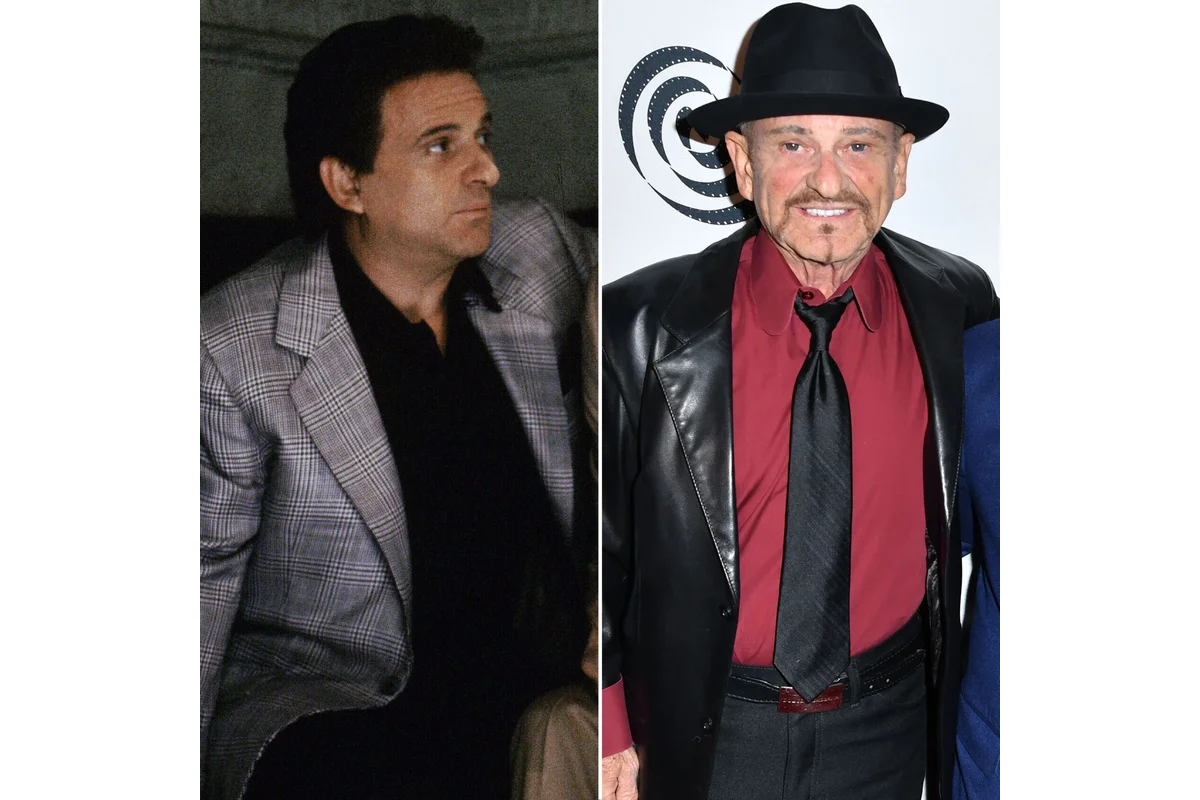
Feeling misled, Pesci responded by suing Fiore Films for $3 million, accusing the company of deception. His frustration stems from the apparent strategy to leverage his name recognition without the genuine intention of honoring his contractual terms. Similar issues with actors like Ben Foster and Lindsay Lohan contributed to stalled production, pushing Gotti into development limbo until Lionsgate and director Kevin Connolly took over in 2015.
Final Casting Changes and Film Failure
Ultimately, John Travolta was cast as John Gotti, a casting choice broadly considered a downgrade compared to original contenders such as Al Pacino. Travolta’s star status had diminished significantly since the poor reception of Battlefield Earth in 2000, and for years he had mostly appeared in direct-to-video projects. Pruitt Taylor Vince took on the role of Angelo Ruggiero instead of Pesci.
Despite some talented casting, the film failed both critically and commercially after its debut at Cannes in 2018. The marketing campaign turned controversial by aggressively targeting negative reviewers on social media, accusing them of bias, further fueling backlash against the film. Fortunately for Pesci, he avoided getting embroiled in this criticism and made a notable return to acting in The Irishman with Pacino and De Niro, earning an Academy Award nomination for Best Supporting Actor.
The Wider Implications of Pesci’s Gotti Lawsuit
Joe Pesci’s lawsuit against Fiore Films underscores ongoing challenges in film productions where contractual disputes and creative disagreements can derail projects and harm actors’ careers. His experience reflects the pitfalls faced when studios exploit a star’s reputation without clear commitments. The Gotti production’s difficulties—from shifting directors to casting changes—highlight the instability that can doom a film before it reaches audiences.
As Pesci continues to collaborate with longtime friends Robert De Niro and Al Pacino, the lawsuit serves as a cautionary reminder of the hurdles actors can encounter behind the scenes, even for legends of the gangster film genre. How Fiore Films responds and the outcome of this legal action remain to be seen, but it has already left a significant mark on the story behind one of the most criticized mob movies in recent memory.

Related semantic context: related coverage · external reference.