
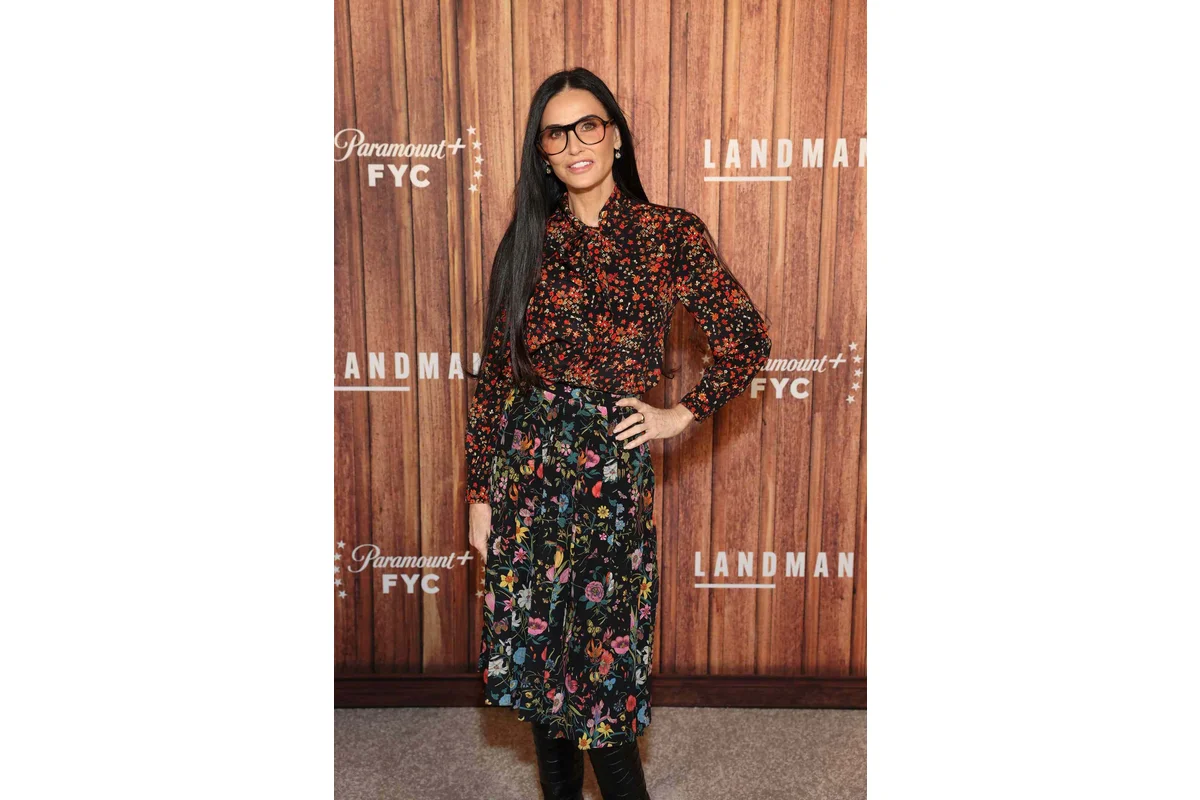
At 63, Demi Moore made headlines during Milan Fashion Week by unveiling a daring bob haircut, challenging conventional beauty expectations and showcasing that femininity is not tied to long hair. Known for her signature waist-length locks, the actress shocked fans by chopping off her traditionally long hair, embracing a bold and edgy new style that stands out for its fearless attitude.
For years, Moore has openly discussed her commitment to wearing her hair long, a choice she associated with defying societal norms. In 2022, she told People,
“I remember hearing someone say that when women get older, they shouldn’t have long hair. And something about that stuck with me. Like, who says? It made me feel like, well, if it can grow and it’s not unhealthy, then why shouldn’t we?”
This statement highlighted her resistance against pressures that dictate how women, particularly older women, should present themselves. Further addressing these pressures, Moore spoke to Glamour about the trend of women cutting their hair short during menopause, observing,
“I did notice, particularly women who were going through menopause, that they were… all were kind of cutting their hair in a very almost masculine way, just desexualising themselves.”
Despite her history of embracing long hair as a feminist statement, Moore’s recent haircut signals a shift. Her hairstylist Dimitris Giannetos explained the inspiration to InStyle:
“I wanted to give Demi a very bold and fashion-forward look,”
affirming that the stylish bob represents a confident, rock and roll energy rather than a conventional or conservative style. This fresh, tousled, wet-look bob has been received as a truer reflection of Moore’s bold character.
Moore’s experimentation with shorter hairstyles is not entirely new. Last April, she wore a feathered bob wig professionally, which was praised by over a thousand readers, yet the look did not feel as authentic as her current hairstyle, which fully embraces her daring persona.
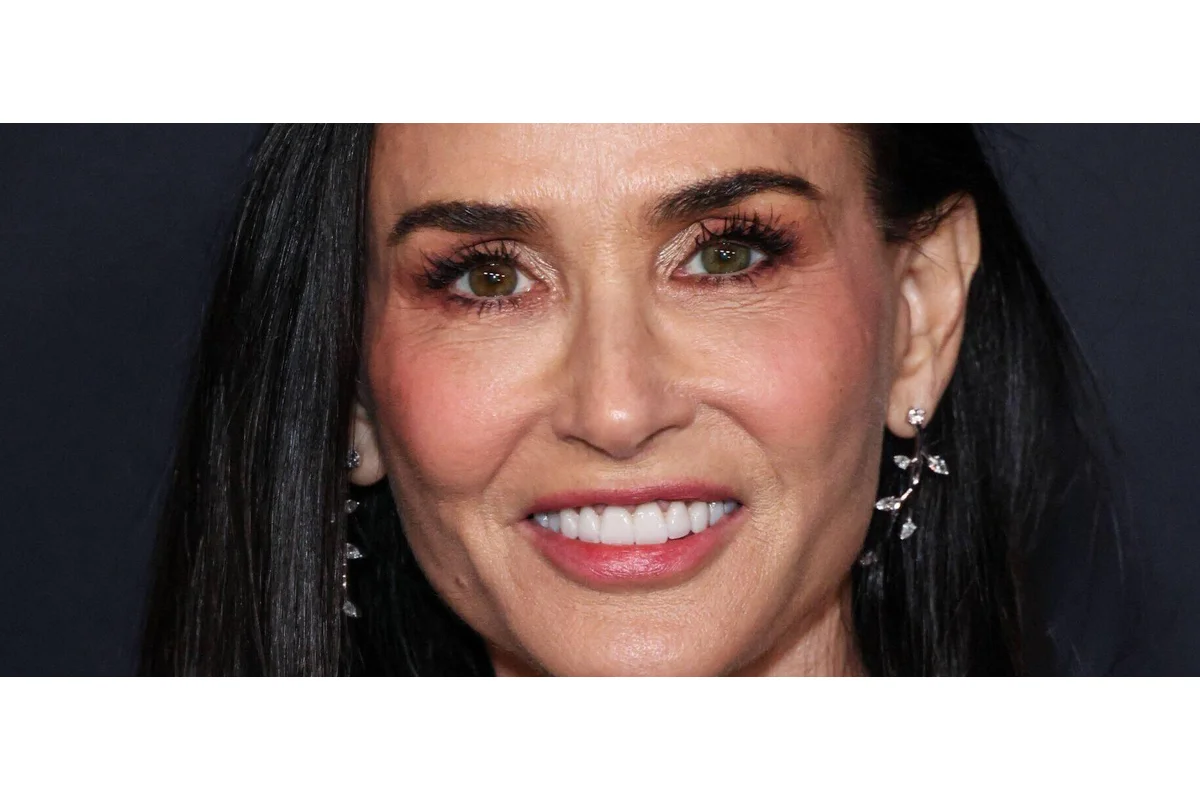
The Connection Between Hair Length and Female Identity
The significance of hair as linked to femininity and cultural expectations has long influenced women’s choices. Life coach Mhairi Todd, who recently cut her own long hair, notes the deep cultural symbolism hair carries. She explains,
“There’s a long cultural history around hair and womanhood,”
and that
“Hair has always been shorthand for how society values women. Long has often equalled youthful and desirable, while short has been coded as practical or neutral.”
Todd points out generational shifts in these attitudes, particularly highlighting baby boomers who grew up with the belief that long hair was part of the “ideal woman” image, focused on appearance and conformity. However, she notes younger generations, like millennials and Gen X, are increasingly rejecting these outdated expectations. Todd states,
“That message collides with a totally different reality,”
and elaborates,
“We’re expected to do it all; build careers, raise children, stay attractive, age well, and hold everything together. I think many women cut their hair but because they’re tired of performing to beauty standards they didn’t consciously sign up for in the first place.”
She believes this cultural shift represents a move away from viewing hair as an external standard of validation and towards seeing it as a form of personal empowerment and self-expression. Reflecting this trend, Todd says,
“I believe what we’re slowly seeing is a shift from hair as an object of external validation to hair as a vehicle for self-definition.”
Mhairi Todd’s Own Transformation and the Meaning Behind It
Mhairi Todd’s recent decision to cut her hair to shoulder length marked a symbolic change after years of growing it out. She shares how she once had visions of perfect, wavy hair that fit what she calls “dreamy Instagram hair goals.” However, she realized,
“Every few weeks that fantasy came to life thanks to my hairdresser. But in between, it wasn’t actually serving me. There was a lot of old energy tied up in that hair, pardon the pun. So, the chop felt symbolic as well as literal. It was a release. And it feels brilliant. It’s healthy, manageable, I can style it myself, and it feels like a small act of rebellion. I did it because I wanted to. That’s it.”
She also emphasizes that the choice to keep long hair or cut it has no age limits. Todd highlights the importance of agency in the decision, stating,
“If your long hair is something you choose because it genuinely makes you feel like you, that’s empowerment, and that’s where confidence grows. Long hair doesn’t make you more or less confident. Agency does.”
Alternately, Todd reassures those who cut their hair that they should not feel obligated to maintain long locks due to societal or cultural pressure. She reinforces,
“Confidence is about choosing a style you like, regardless of trends or outdated standards. It’s crucial to remember that confidence is like a muscle. You don’t get confident and then act, you act and confidence grows as a result.”
The Wider Implications of Demi Moore’s Haircut and Cultural Shifts
Demi Moore’s bold bob symbolizes a powerful move against traditional beauty standards, especially those that confine women’s self-expression as they age. Her choice echoes a broader wave of women reclaiming autonomy over their appearance, rejecting norms that dictate how women should look or behave. By embracing an edgy, fashion-forward hairstyle, Moore asserts that confidence and femininity can take many forms beyond the long hair she once championed.
This trend reflects an evolving conversation about womanhood, identity, and the pressures placed on women regarding beauty. The growing willingness to challenge these conventions encourages others to reconsider what styles genuinely reflect their individuality, rather than conforming to societal expectations. Moore’s transformation sets a precedent for celebrity and everyday women alike, highlighting that bold personal choices in appearance are not only valid but vital expressions of empowerment and authenticity.
Related semantic context: related coverage · external reference.
