Morgan Freeman is the primary entity for this article, supported by Ai topic context.
Related WII context: related keeper article. External authority context: industry context.
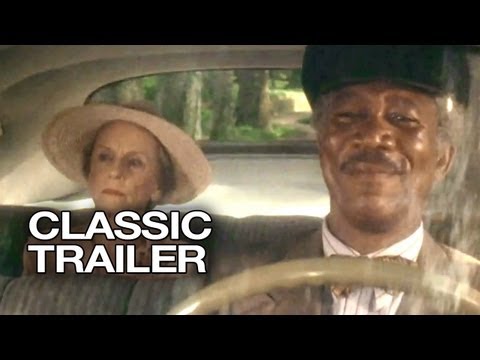
Morgan Freeman, widely known for his distinctive voice and commanding screen presence, described his breakthrough role as Hoke Colburn in Driving Miss Daisy as a “big mistake.” Although the 1989 film launched his Hollywood career and earned him an Academy Award nomination for Best Actor, Freeman expressed frustration over how the part typecast him and limited his opportunities for diverse roles.
Freeman’s Journey from Theater to Hollywood Fame
Before achieving fame as a film actor, Morgan Freeman built his craft on stage, performing in theater productions for many years. He first portrayed Hoke Colburn in Alfred Uhry’s Driving Miss Daisy during an off-Broadway run, which led to his casting in the movie adaptation directed by Bruce Beresford. The 1989 film became a major success, winning the Best Picture award at the 1990 Oscars and securing Freeman’s first Best Actor nomination. Despite the acclaim, Freeman viewed this corner of his career with ambivalence.
The Film’s Story and Its Themes
Driving Miss Daisy centers on the evolving relationship between an elderly Jewish widow, Daisy Werthan, played by Jessica Tandy, and her African American chauffeur, Hoke Colburn. After a car accident damages her neighbor’s property, Daisy reluctantly hires a driver as a concession to her advancing age. Their bond explores themes of aging, racial tension, and societal change in mid-20th-century America. Though the film touched on significant social issues, critics noted that it resolved its conflicts too gently, favoring a comforting narrative over deeper confrontation.
Freeman’s Reservations About the Role
Speaking at the British Film Institute in 2000, Freeman shared his dissatisfaction with how his role in Driving Miss Daisy shaped public perception of him. When asked about his career trajectory, Freeman declared,
“Yeah, I think the big mistake was Driving Miss Daisy, actually,”
revealing his discomfort with being associated predominantly with the dignified, wise Black character he portrayed. He believed this image pigeonholed him and constrained his range as an actor.
He elaborated,
“Well, the character caught on – this wise, old, dignified, black man,”
highlighting how audiences and filmmakers began to expect him to embody similar roles repeatedly. This identification with a specific character created pressure on Freeman to meet certain expectations. He noted,
“Some characters become sort of bracketed, identifiable – identified – you and him. People come up and say: ‘I just…’ and cry and stuff, and everywhere you go, they’re going to expect some aspect of that character out of you, and if you disappoint them too many times…”
This expectation risked frustrating fans and limited the diversity of characters offered to him.
Breaking Free from Typecasting
Although this early part in his career threatened to confine Freeman to a narrow archetype, he deliberately sought roles that showcased his versatility. His performances in movies such as Seven, the Dark Knight trilogy, Invictus, and his Oscar-winning role in Million Dollar Baby demonstrated his ability to inhabit a wide array of characters. Even his appearance in the action film Red further emphasized his range beyond the sage narrator or mentor roles for which he had become known.
Freeman’s efforts to expand his acting repertoire illustrate the challenges many actors face when initial success comes from a particularly iconic character. Despite his reservations about Driving Miss Daisy, the role remains a pivotal moment that launched him into Hollywood’s top ranks, though it came at the cost of early typecasting that Freeman worked hard to overcome.