
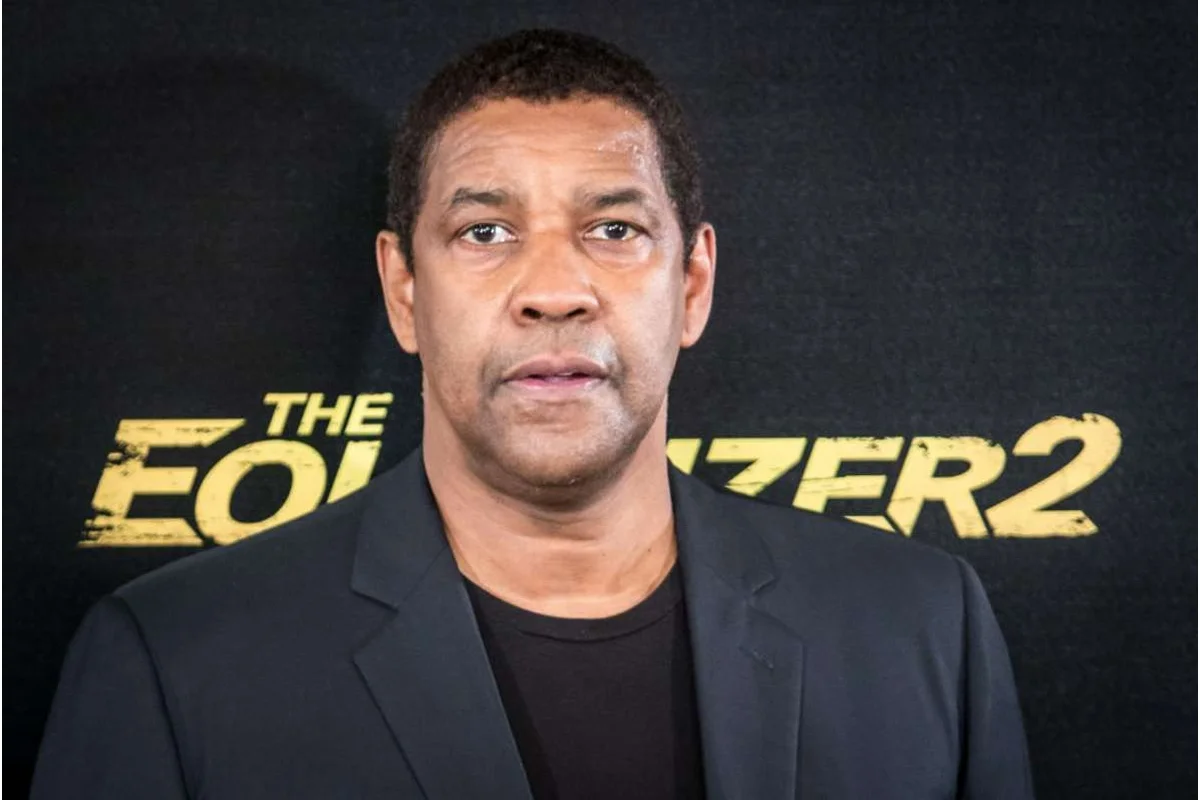
Denzel Washington’s role in Training Day profoundly influenced television storytelling by introducing a grittier, more realistic portrayal of law enforcement. Released in October 2001, the film featured Washington as Alonzo Harris, a morally corrupt LAPD officer, challenging traditional heroic depictions of police and reshaping audience expectations.
Denzel Washington’s Evolution from Heroic Roles to a Complex Villain
Before Training Day, Washington was widely celebrated for portraying honorable, principled characters, such as Trip in the Civil War film Glory, which earned him an Oscar for Best Supporting Actor. Although Glory was praised for his performance, critics noted it centered on a white protagonist played by Matthew Broderick. While many anticipated Washington might win an Oscar for his role in Malcolm X, it was his dark, unflinching portrayal of Alonzo Harris in Training Day that secured him the Best Actor award, surprising fans familiar with his typically virtuous roles.
The Impact of Training Day on Depictions of Law Enforcement
Washington’s chilling portrayal as a violent, corrupt officer broke new ground by reflecting a more authentic and complex image of the police, contrasting sharply with the usual media portrayals of officers as unequivocal heroes. This film marked a shift in audience interest toward stories that exposed the darker realities of police brutality and corruption, an appetite that was further satisfied by later television dramas.
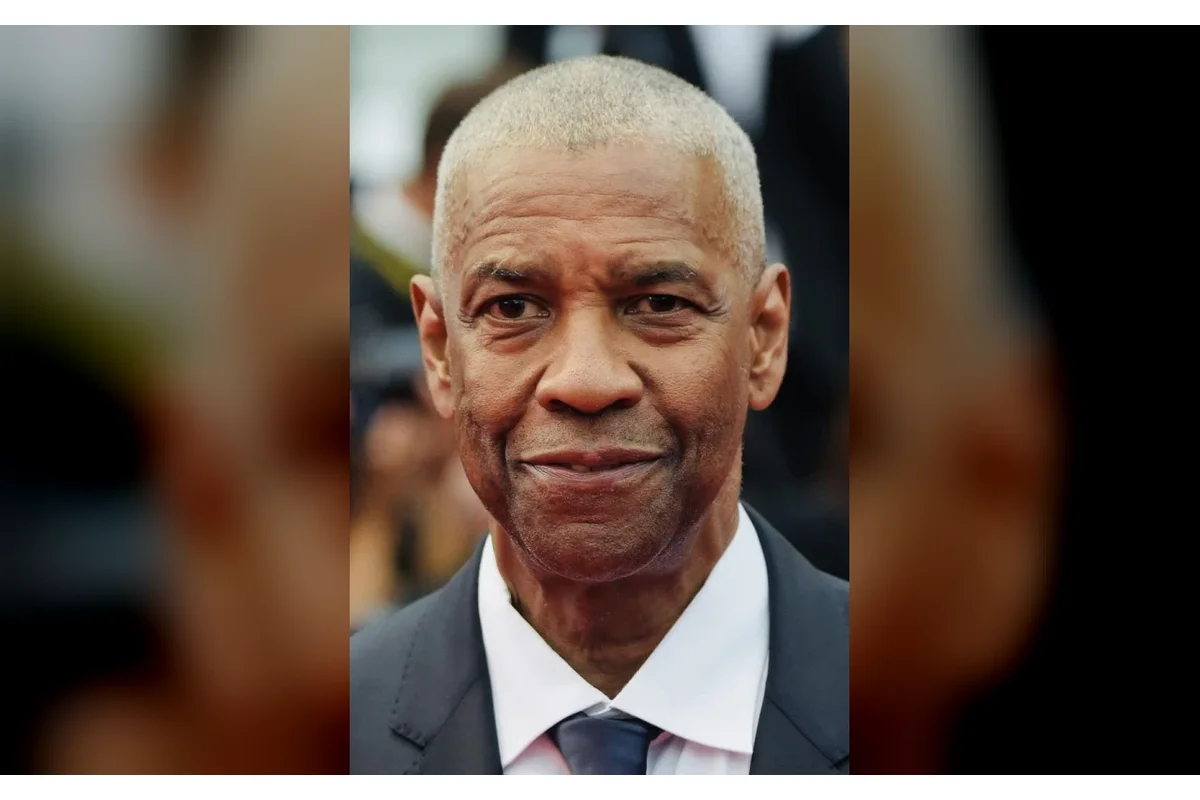
How Training Day Inspired the Creation of The Shield
Training Day’s success paved the way for FX’s The Shield, created by Shawn Ryan, which also centered on a corrupt LAPD detective named Vic Mackey, played by Michael Chiklis. Ryan explained how the film’s reception encouraged television executives to back shows exploring similar themes:
“Training Day came out in October and exceeded expectations,”
Ryan said,
“Denzel won an Oscar for it. It made the powers that be feel more comfortable, but from tragedy came a real thirst for justice and a sense of, wherever we have to go, whatever we have to do, we’re going to do it.”
Michael Chiklis emphasized that the central theme of The Shield was shaped by the character dynamics introduced in Training Day. Reflecting on pivotal moments related to police violence, he stated,
“The thematic question posed by The Shield was always, what are we willing to accept from law enforcement to keep us safe. When we had the phone conversation about whether we were going to go through with this after what happened, Shawn said, ‘I think it becomes even more relevant’.”
The Shield’s Role in Expanding Gritty Storytelling on Cable Networks
Often overshadowed by HBO’s prestige with shows like The Sopranos and The Wire, FX gained recognition through The Shield’s bold narrative and intense storytelling. The show captivated viewers with one of the most startling pilots in television history and maintained suspense with plot twists, including the revelation that Mackey, like Alonzo Harris, was an unpredictable anti-hero capable of ruthless violence. This portrayal further cemented the appeal of morally ambiguous protagonists in drama.
Training Day’s Enduring Influence on Television Drama
The Shield’s critical and commercial success allowed FX to take on ambitious projects such as The Americans and Fargo, which similarly engaged with complex and morally conflicted themes. The accomplishments of these acclaimed series owe a debt to the groundbreaking example set by Washington’s Training Day, which sparked a chain reaction of innovative storytelling in television dramas, encouraging creators to explore difficult social issues with honesty and nuance.
Related semantic context: related coverage · external reference.
