
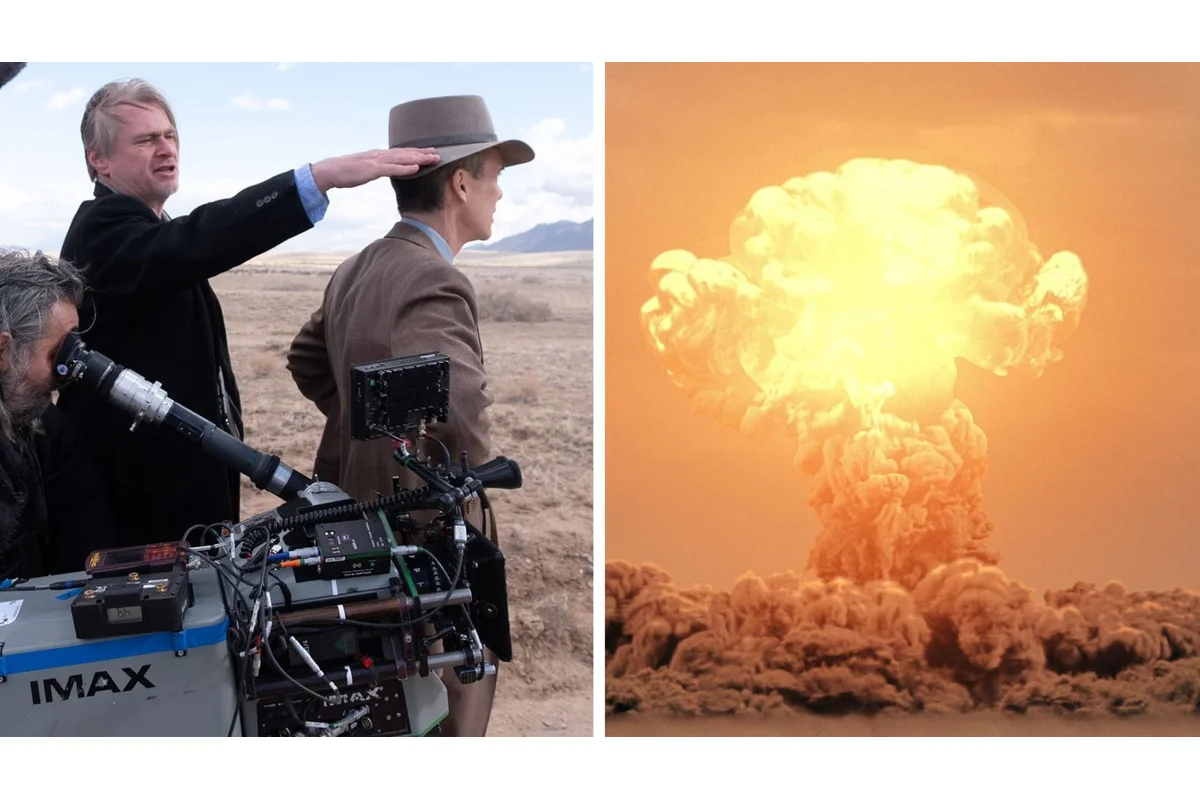
Following the acclaim of his 2023 hit Oppenheimer, director Christopher Nolan is preparing to bring The Odyssey to the big screen, an adaptation of Homer’s ancient Greek epic detailing a warrior’s perilous journey to return home after the Trojan War. This Christopher Nolan Odyssey Adaptation will inevitably invite comparisons to earlier versions, particularly the influential 1997 miniseries that remains a touchstone for live-action retellings of this classic tale.
The High Standard Set by the 1997 Odyssey Miniseries
The 1997 miniseries, directed by Andrei Konchalovsky and originally airing on NBC, distinguished itself with an impressive cast led by Armand Assante as Odysseus. Supporting performances by Greta Scacchi, Geraldine Chaplin, Jeroen Krabbé, Sir Christopher Lee, Irene Papas, and others contributed to a richly textured portrayal of Homer’s world. Irene Papas’ involvement also paid homage to an earlier Italian adaptation, connecting the miniseries to a broader tradition of Odyssey interpretations.
Behind the scenes, Jim Henson’s Creature Shop crafted the creatures of the myth, linking this production to Henson’s final works, including the 1990 series The Storyteller: Greek Myths. Although some visual effects now appear dated, they were groundbreaking at the time and helped the series win two Primetime Emmy Awards.
Konchalovsky’s adaptation was notable for its faithfulness to the source. Unlike many retellings that gloss over certain mythological features, this version included the deadly passage between Scylla and Charybdis, a rare inclusion in major adaptations. It also integrated narratives from other classical texts like the Iliad and the Aeneid, such as Poseidon’s assistance to the Greeks through a giant serpent that killed Laocoon, the Trojan seer wary of the Trojan Horse. This approach deepened the storyline while respecting the ancient sources.
The gods played a central role on screen, aligning with Homer’s original portrayal. Athena and Hermes appeared visibly, while Poseidon’s voice added to the menace facing Odysseus. The divine interventions were depicted as the driving force behind the hero’s misfortunes.
In a significant departure from the poem, the miniseries expanded on the gods’ punishment of Odysseus and his men. After the sack of Troy, Odysseus arrogantly declared,
Do you see, you gods of sea and sky? I conquered Troy! Me, Odysseus, a mortal man of flesh and blood and bone and mind! I do not need you now. I can do anything.
This hubris led Poseidon to condemn them to years lost at sea, intensifying the story’s emotional weight.
Challenges in Bringing the Odyssey’s Epic Length to Film
The original miniseries format allowed a generous runtime of two 90-minute episodes, enabling a thorough development of characters and backstory. Nearly thirty minutes were dedicated to pre-Odyssey events, including the birth of Odysseus’ son Telemachus, the Greeks’ long journey to Troy, and the ten-year Trojan War itself. This foundation helped audiences connect to the motivations and personalities of the main characters before the sea voyage began.
Christopher Nolan’s upcoming adaptation does not yet have an announced running time. While Nolan’s previous epic, Oppenheimer, lasted three hours, that runtime was unusually long for his work. Given The Odyssey’s target for broad appeal, its duration will probably be more concise than the miniseries, likely requiring selective condensation of the story’s vast scope.
Though images of the Trojan Horse have featured in promotional content, Nolan’s film is expected to cover the Trojan War less extensively than Konchalovsky’s take, which devoted significant time to that chapter. While contemporary reviews of the 1997 series were mixed, earned accolades such as an Emmy for Outstanding Directing and enduring fan praise suggest it still holds a strong legacy in the Odyssey adaptation landscape.
The anticipation surrounding Nolan’s project is tinged with controversy, as some viewers have criticized the choice of historically inaccurate costume designs and an overly somber visual tone. These elements, combined with the inevitable challenges of adapting such a dense and mythically complex epic, create an uneasy atmosphere regarding how Nolan’s film will stand against the benchmark set by the 1997 miniseries.
Legacy, Expectations, and the Road Ahead for Nolan’s Odyssey
The pressure on Christopher Nolan’s Odyssey adaptation is palpable, as it seeks to reinterpret one of literature’s most enduring narratives amid both cinematic history and enthusiastic modern fan expectations. Its comparison with Konchalovsky’s miniseries will be unavoidable, given that production’s respected performances, faithful storytelling, and iconic special effects legacy.
With key cast members such as Matt Damon as Odysseus, Tom Holland portraying Telemachus, Zendaya as Athena, and Anne Hathaway in the role of Penelope, Nolan is assembling a notable ensemble to breathe new life into these classic figures. Yet, the tightrope walk between artistic vision and audience anticipation will remain challenging, particularly because the story’s mythological depth, character complexity, and large-scale events require both narrative focus and imaginative storytelling.
As preparation continues, the film’s reception will not only affect Nolan’s reputation but also influence how future filmmakers approach adaptations of ancient epics. The value placed on mythological authenticity, emotional resonance, and technical innovation will likely shape the legacy of Nolan’s Odyssey as it seeks to redefine a story that has already inspired countless retellings.
Related semantic context: related coverage · external reference.
