
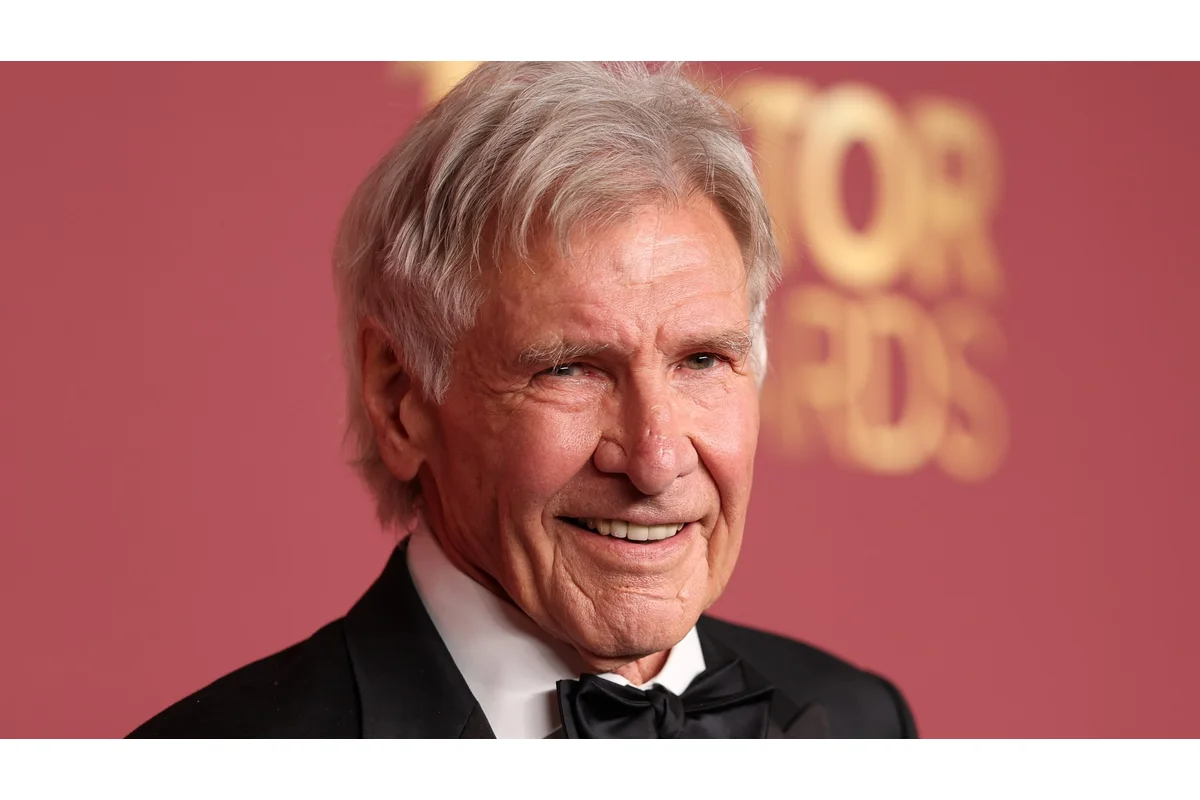
On March 4, 1992, the iconic character of Indiana Jones, famously portrayed by Harrison Ford, underwent a significant transition when the television series The Young Indiana Jones Chronicles premiered, featuring different actors in the role. This shift marked a notable moment in the legacy of Harrison Ford Indiana Jones, as the character was explored in his youth, departing from Ford’s established portrayal in the feature films.
The Cultural Impact of Harrison Ford’s Roles Leading to Indiana Jones
Harrison Ford is recognized for several memorable characters that have left lasting marks on popular culture, with Indiana Jones standing as the pinnacle of his career achievements alongside roles such as Han Solo in the Star Wars saga and Rick Deckard in the Blade Runner series. While Ford’s other roles, including Jack Ryan and characters from films like Witness and The Fugitive, are well-regarded, Indiana Jones has become a defining figure due to its monumental influence on the adventure genre and movie-making trends initiated by Spielberg and George Lucas.
The Introduction of Young Indiana Jones on Television
Following the 1989 film Indiana Jones and the Last Crusade, which offered audiences a glimpse into Indy’s childhood through River Phoenix’s portrayal, the groundwork was laid for The Young Indiana Jones Chronicles. This television series expanded the character’s story with three different actors depicting various stages of Indiana Jones’s life, a distinct departure from Harrison Ford’s established image. Corey Carrier portrayed the nine-year-old Indy, while Sean Patrick Flanery played the 16-year-old adventurer, showcasing a younger Jones interacting with historical figures throughout his global travels. Additionally, George Hall appeared as an elderly Indiana Jones, aged 92, offering a bookend perspective on the character’s timeline.
How the First Episode Showcased Multiple Versions of Indy’s Story
The premiere episode, titled Curse of the Jackal, uniquely incorporated all three actors portraying Indiana Jones at different ages, presenting a layered narrative that bridged past, youth, and old age. This episode introduced viewers to key elements familiar to the franchise, such as Indiana’s origin of his name from his dog, his well-known fear of snakes, and his adventurous encounters with historical personalities including Lawrence of Arabia, George S. Patton, and Poncho Villa. The iconic phrase “It belongs in a museum” was also echoed, maintaining a connection to the films.
Despite the absence of Steven Spielberg’s direction, the episode retained the spirit of Indiana Jones through its tone and character traits. The younger versions of Indy exhibited curiosity, determination, and a sense of humor that suggested the evolution into Harrison Ford’s adventurous persona. These characterizations were essential, particularly as there was uncertainty about whether Ford would reprise the role or if this series would mark the end of his tenure as Indiana Jones.
The Series’ Place Within Indiana Jones Canon and Ford’s Return
Although the television series replaced Harrison Ford with several actors, Ford did return to the character, appearing in a special episode portraying Indiana Jones in his 50s. This guest appearance reaffirmed the series’ link to the broader Indiana Jones narrative and served as Ford’s last formal performance as the adventurer until the 2008 film Indiana Jones and the Kingdom of the Crystal Skull. The latter project, once regarded as unlikely during the television series’ initial run, eventually became a reality.
Originally broadcast from 1992 to 1993 across two seasons, and supplemented by four television movies between 1994 and 1996, The Young Indiana Jones Chronicles was later reedited into The Adventures of Young Indiana Jones. This reformatting introduced new narrations and segments but notably omitted George Hall’s portrayal of Old Indy. The reasoning behind this decision has never been officially disclosed, though speculation suggests George Lucas intended to leave room for Harrison Ford’s possible future return by not canonizing a definitive older version of the character from the TV series.
Despite changes in its presentation and some ambiguity concerning its canonical status, the events depicted in The Young Indiana Jones Chronicles remain relevant to the franchise. Besides Ford’s own involvement tying the show to the movies, moments like Indiana’s interaction with Pancho Villa—recounted in the 2008 film—demonstrate the series’ enduring influence on the character’s larger storyline. This connection, dating back 34 years to the series’ debut, ensures that Ford’s portrayal and the franchise’s exploration of Indiana Jones’s youth hold significant weight within the overall mythology.
Related semantic context: related coverage · external reference.
