
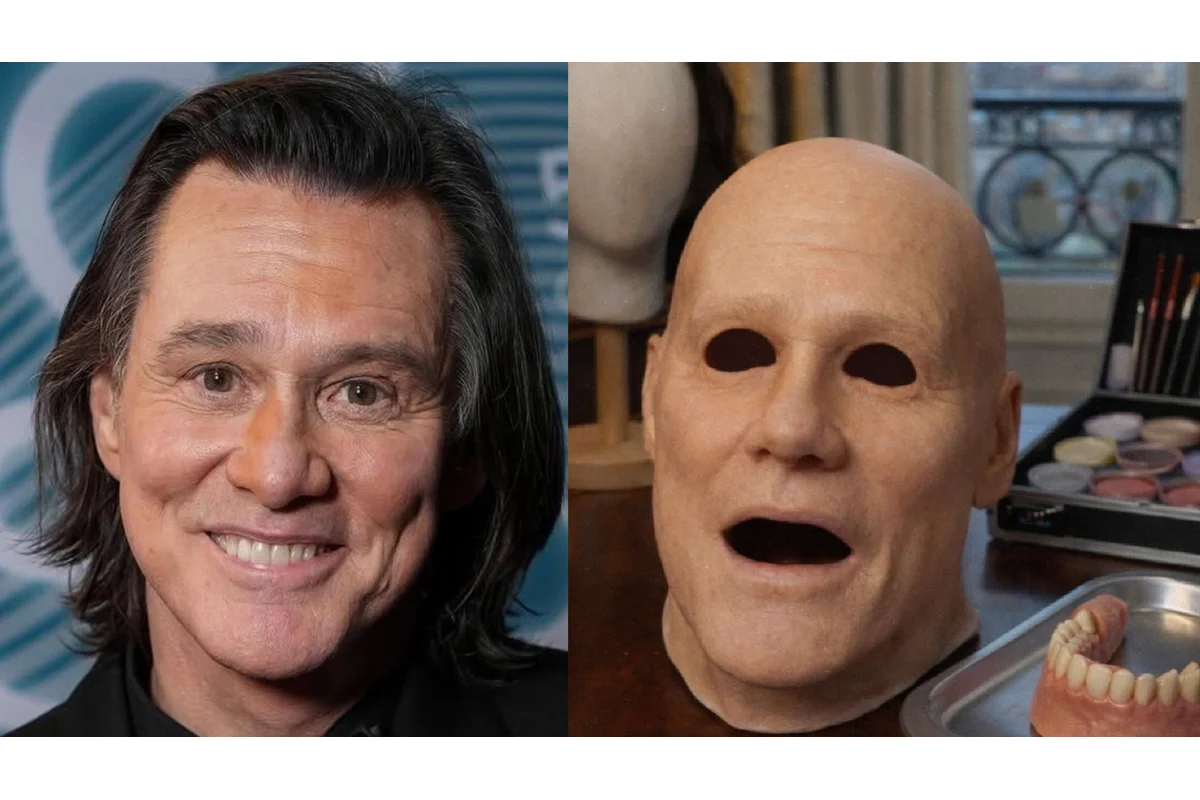
Social media users recently sparked widespread speculation over the appearance of Jim Carrey at the Cesar Awards in Paris, claiming that the actor had been cloned in a secretive Hollywood scheme. This Jim Carrey clone conspiracy emerged after people noticed subtle differences in his behavior and looks during the event in late February, leading to viral theories attempting to explain the star’s supposed disappearance.
Jim Carrey, famous for roles in films like The Mask and The Truman Show, attended the ceremony, which surprised many fans who thought he had faded from the spotlight. However, strange details in videos and photos, such as a change in Carrey’s eye color and his use of the right hand for signing when he is known to be left-handed, led some to claim the individual present was not the original actor but rather a fabricated duplicate.
Unpacking the Mystery Behind Jim Carrey’s Appearance
Those fueling the conspiracy scrutinized Carrey’s presence at the Cesar Awards with intense suspicion. The actor’s face looked somewhat altered, appearing youthful but off in ways that convinced social media users something was amiss. Amateur internet detectives scoured every frame of footage for clues, highlighting his shift from brown to green eyes and the switch in dominant hand usage as evidence supporting the clone theory.
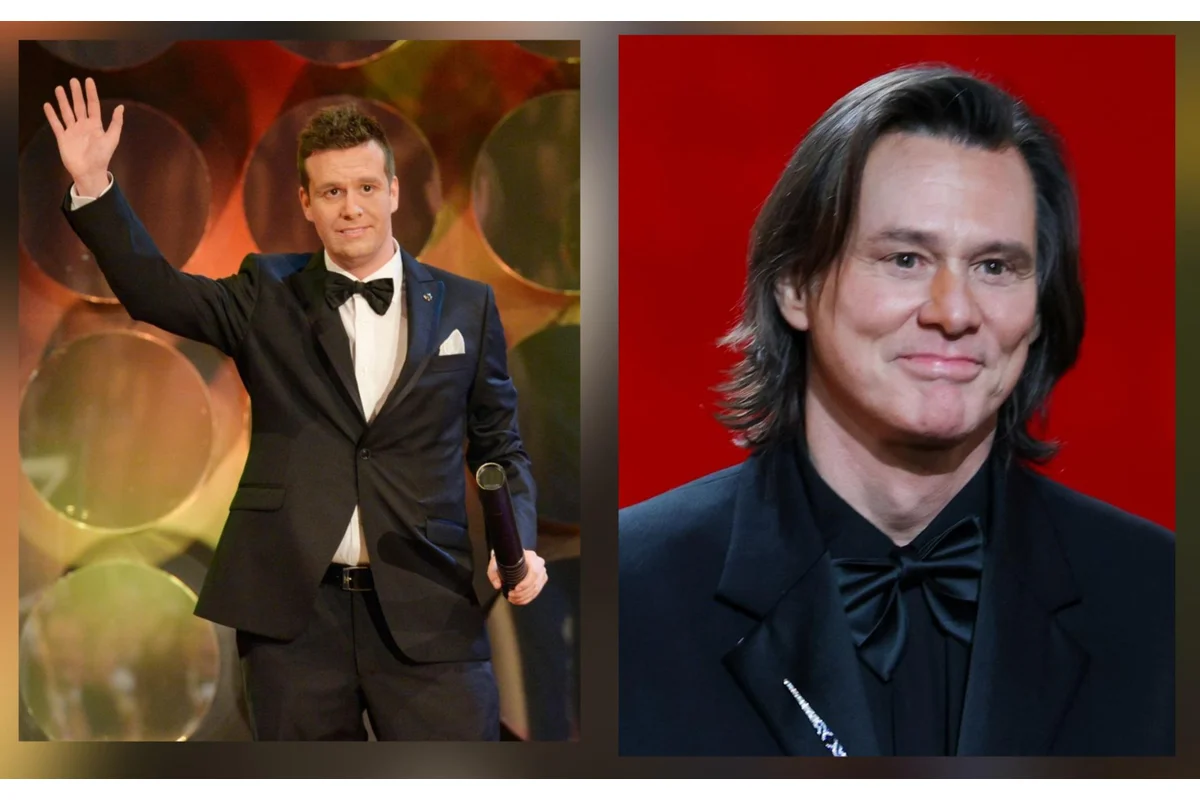
Adding momentum to the rumors, Alexis Stone, a noted special effects makeup artist, claimed responsibility for being a Carrey stand-in that evening on Instagram. However, further investigation revealed that the purported proof was AI-generated and did not present an authentic account. Despite this discrediting, conspiracy theories continued to thrive, confusing the public and making it difficult to separate fact from fiction.
Ultimately, Carrey’s publicist confirmed to TMZ that the actor did attend the award ceremony himself. Additionally, the Cesar Awards’ general delegate told Variety that the actor’s attendance was thoroughly planned, and Carrey had spent months rehearsing his French speech for the event. These official confirmations ended the cloning rumors, although many who had believed them remain convinced.
The Reality Behind Selena Gomez’s “Secret Friends” List on Instagram
Simultaneously, other social media misunderstandings made waves when pop star Selena Gomez added her followers to a so-called “Secret Friends” group on Instagram. Fans thought this was an exclusive circle granting rare access to Gomez’s personal moments, but in reality, the selection was an automated promotion for her husband’s podcast, Friends Keep Secrets.
More than 400 million followers were included without discretion, but many, especially younger fans, failed to critically assess the situation before announcing their inclusion excitedly across social media platforms. This led to a surge of posts boasting about joining Gomez’s secret list, even though it offered no unique content or behind-the-scenes views as fans had hoped.
Comments from users reflected their excitement and surprise:
Oh, no big deal, I’m just on Selena Gomez’s Secret Friends story,
said one individual on X.
I’M ON SELENA GOMEZ’S SECRET FRIENDS LIST ON INSTAGRAM,
exclaimed another user.
Ya’ll, I’m on Selena Gomez’s secret friends story,
proclaimed one proud follower.
Unfortunately for devoted fans, the list was not an exclusive pass to celebrity secrets, but rather a broad marketing tool for promoting podcast content.
Sam Altman’s Controversial Decisions Stir Employee Backlash
Meanwhile, OpenAI CEO Sam Altman has faced significant criticism from employees due to his recent decisions around partnerships with military organizations. The roots of this controversy trace back to tensions between the US Department of War and an AI company named Anthropic, makers of Claude, whose refusal to drop safety safeguards cost them government contracts and trust.
Anthropic’s technology was reportedly utilized by the US in military operations, including Iranian strikes, despite official orders from then-President Donald Trump to cease usage. Following this, Altman quickly moved to establish ties between OpenAI and the Department of War, alarming staff who feared the potential consequences of relinquishing control over how AI tools are wielded in warfare.
Altman’s justification for the deal clarified that employees would have no say over governmental decisions:
So maybe you think the Iran strike was good and the Venezuela invasion was bad…you don’t get to weigh in on that,
Altman said, according to meeting transcripts reviewed by CNBC.
Despite the backlash that followed, Altman expressed regret over the internal discord caused:
To try so hard to do the right thing and get so absolutely like, personally crushed for it – and I know this is happening to all of you too, so I feel terrible for subjecting you all to this – is really painful,
he told the Wall Street Journal.
Yet, reports suggest that Altman is now considering a similar arrangement with another military entity, the North Atlantic Treaty Organization (NATO), causing further unease among OpenAI’s workforce and the broader tech community.
Why This Matters: The Impact of Misinformation and AI Ethics
The spread of the Jim Carrey clone conspiracy highlights the increasing power and danger of misinformation on social media platforms, where minor observations can escalate into elaborate fabrications. It underscores the challenge users face in discerning credible information from fanciful theories, especially when fueled by manipulated photos and speculative claims.
Similarly, the Selena Gomez incident reveals how easily fans can be misled by automated social media features, mistaking mass promotions for exclusive access. This reflects on the broader issues of digital literacy and the importance of critical thinking in a hyperconnected world.
Meanwhile, Sam Altman’s decisions bring to light the ethical dilemmas surrounding AI development and deployment, particularly when intersecting with military applications. The internal conflicts within OpenAI serve as a microcosm of wider debates about the responsible governance of powerful technologies and the potential consequences of surrendering oversight to governmental agencies.
As public interest in AI and celebrity culture remains high, these events collectively demonstrate the importance of skepticism, transparency, and accountability in both online discourse and technological advancement.


Related semantic context: related coverage · external reference.
