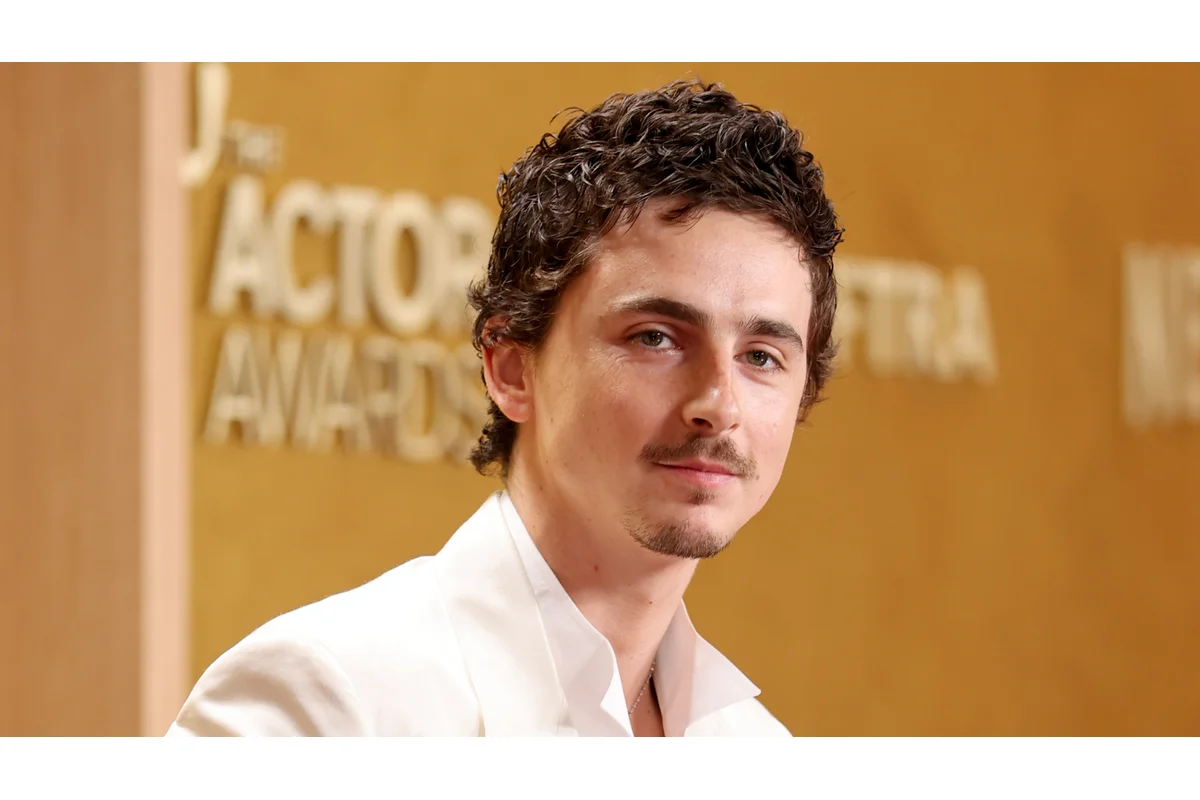
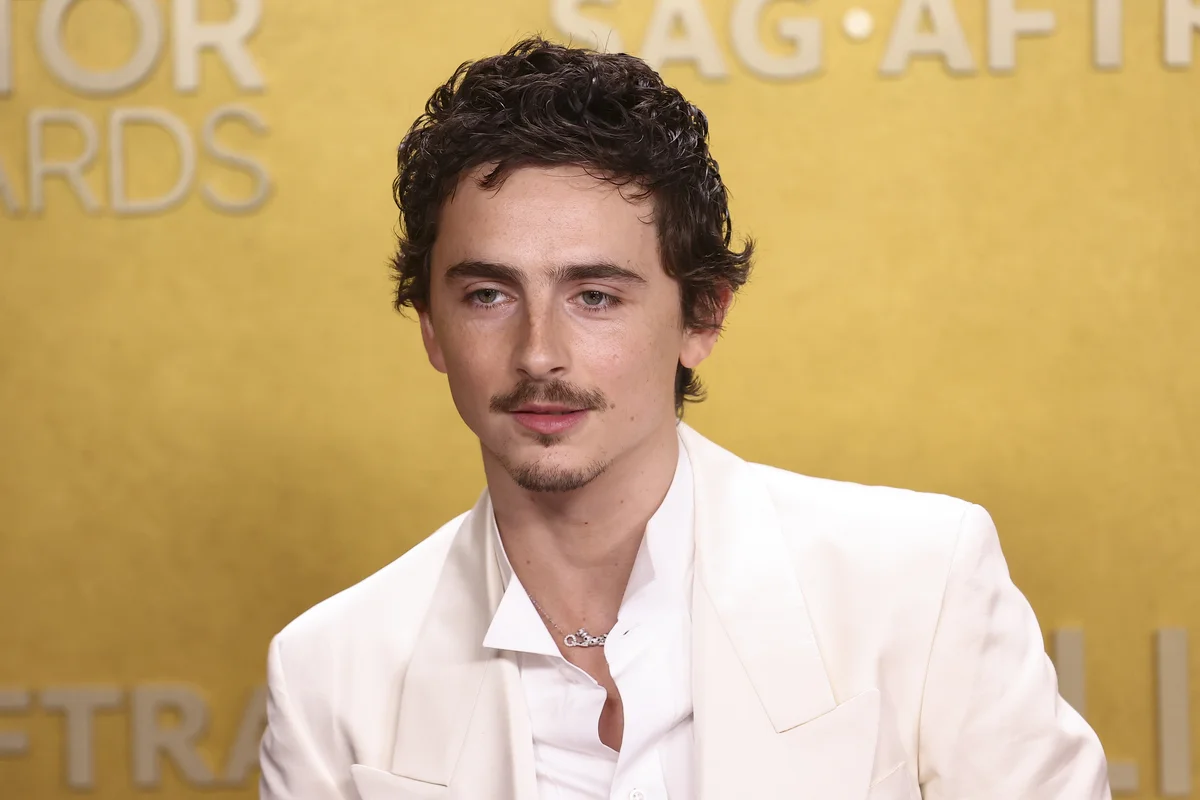
During a recent live conversation with Matthew McConaughey for Variety, actor Timothée Chalamet shared his views on the changing habits of audiences, provoking criticism with his comments about opera and ballet. Chalamet reflected on younger viewers’ shifting tastes and questioned the relevance of certain slow-paced art forms, igniting a wave of backlash online.
In the interview, Chalamet spoke about challenges in entertaining modern audiences, saying that some people prefer quick entertainment and that sustaining slower or more traditional genres requires effort. Using Netflix’s adaptation of Frankenstein as an example, he remarked on the need to “wave a flag” to indicate that a film is serious. He positioned himself as caught in the middle of this debate, recognizing different demands from viewers.
Actor Expresses Mixed Feelings About Preserving Traditional Arts
Chalamet said,
“It does take you having to wave a flag of, ‘Hey, this is a serious movie,’ or something, and some people do want to be entertained and quickly. I’m really right in the middle, Matthew,”
expressing his ambivalence. He added,
“I admire people, and I’ve done it myself, who go on a talk show and say, ‘Hey, we’ve got to keep movie theaters alive, we’ve gotta keep this genre alive,’ and another part of me feels like if people want to see it, like Barbie, like Oppenheimer, they’re going to go see it and go out of their way to be loud and proud about it.”
However, Chalamet’s comments took a sharp turn when he addressed ballet and opera. He joked,
“I don’t want to be working in ballet or opera where it’s like, ‘Hey! Keep this thing alive, even though no one cares about this anymore,’”
before adding with a laugh,
“All respect to the ballet and opera people out there… I just lost 14 cents in viewership. I’m taking shots for no reason.”
This particular statement sparked considerable reaction from the performing arts community and fans.
Leading Opera and Ballet Institutions Respond to Chalamet’s Statements
Following the resurfacing of the interview clip, the U.K.’s Royal Ballet and Opera issued a statement addressing Chalamet’s remarks. They emphasized the enduring cultural significance of ballet and opera, declaring,
“Ballet and opera have never existed in isolation — they have continually informed, inspired, and elevated other art forms. Their influence can be felt across theatre, film, contemporary music, fashion, and beyond. For centuries, these disciplines have shaped the way artists create and audiences experience culture, and today millions of people around the world continue to enjoy and engage with them.”
Artists Criticize Chalamet’s Comments on Traditional Arts
American opera singer Isabel Leonard voiced strong disapproval, writing,
Image of: Timothée Chalamet
“Honestly, I’m shocked that someone so seemingly successful can be so ineloquent and narrow-minded in his views about art while considering himself as [an] artist as I would only imagine one would as an actor.”
She further observed,
“To take cheap shots at fellow artists says more in this interview than anything else he could say. Shows a lot about his character.”
Leonard added,
“You don’t have to like all art but only a weak person/artist feels the need to diminish in fact the VERY arts that would inspire those who are interested in slowing down, to do exactly that.”
Canadian opera performer Deepa Johnny described the remarks as a disappointing take and commented,
“There is nothing more impressive than the magic of live theatre, ballet and opera. We should be trying to uplift these art forms, these artists and come together across disciplines to do that.”
Irish opera singer Seán Tester also criticized Chalamet on social media. He wrote that the comments
“is the kind of reductive take you hear when popularity is mistaken for cultural value.”
Tester emphasized,
“They are not outdated art forms. They are living ones, constantly reinterpreted, constantly evolving… It’s always fascinating when artists with global platforms dismiss opera and ballet as irrelevant. Opera and ballet have survived wars, […] To call these art forms irrelevant says far less about the art itself than it does about how little time someone has spent truly experiencing it.”
Oscar Season Spotlight and Chalamet’s Campaign Challenges
The timing of the controversy coincides with increasing attention on Chalamet’s prospects in the upcoming Academy Awards race for his work in Marty Supreme. As the 98th Oscars approach on March 15, industry observers have noted that his promotional campaign has not sustained strong momentum compared to past seasons. The scrutiny highlights the pressures actors face during awards campaigns, where every comment is amplified and can spark public debate.
Wider Implications for Artistic Dialogue and Audience Engagement
Chalamet’s remarks and the responses they generated underline the ongoing tension in how audiences engage with different art forms amid changing cultural consumption patterns. While younger viewers may favor quicker entertainment, many artists and institutions stress that ballet and opera remain vital, evolving practices deeply woven into the fabric of global culture. The incident serves as a reminder of how public figures’ words about traditional arts can provoke passionate discussions about value, relevance, and artistic respect in today’s media landscape.