
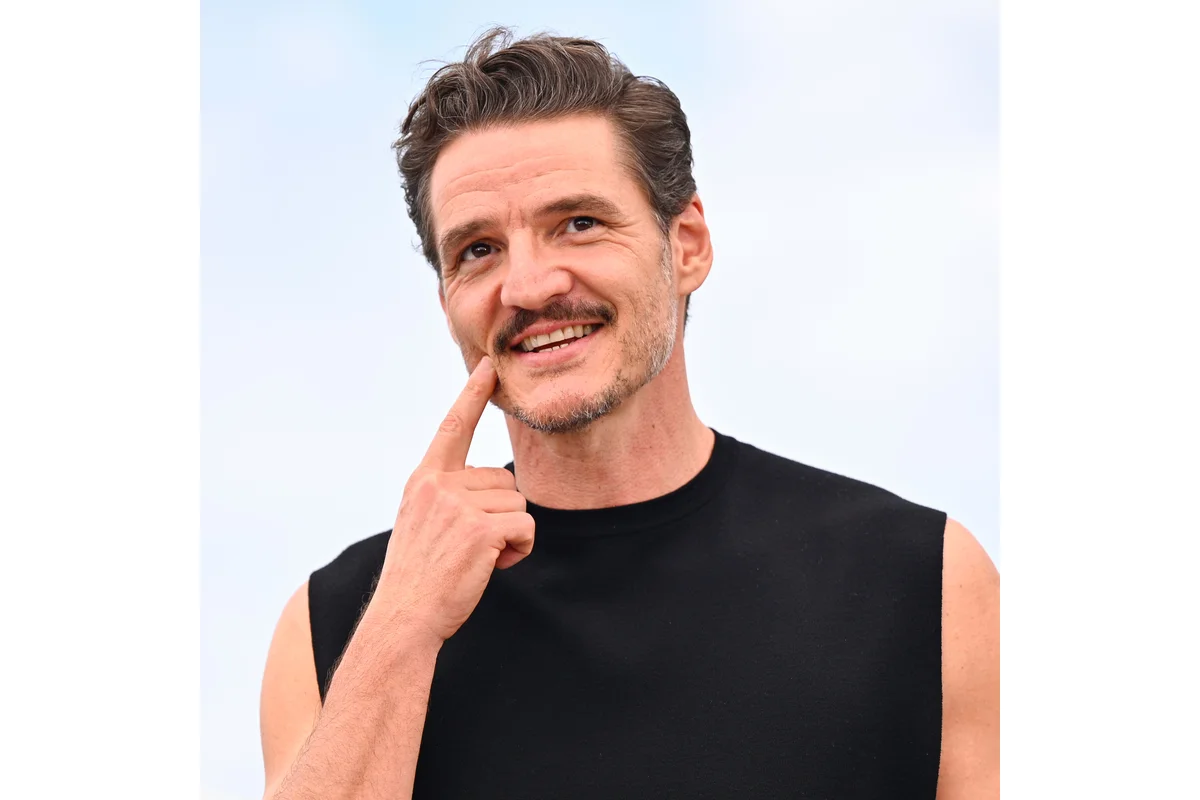
Pedro Pascal stars as Din Djarin in The Mandalorian, whose iconic helmet often conceals his face, raising curiosity about how much of the physical performance is actually Pascal versus his stunt doubles. Since the show’s debut seven years ago, Pascal has shared the role with stunt performers Brendan Wayne and Lateef Crowder, who received official credit for their work in Season 3. With the new film The Mandalorian and Grogu on the horizon, fans are eager to learn how much time Pascal spends physically in the Pedro Pascal Mandalorian suit.
Behind the Scenes: Pedro Pascal’s Role in The Mandalorian and Grogu
Director Jon Favreau spoke on Empire’s cover story about the new film, addressing the extent of Pascal’s physical presence inside the armor. While stunt doubles Wayne and Crowder frequently don the Mandalorian suit during production, Favreau emphasized that a large portion of the movie features Pascal himself wearing the costume. He noted,
You’ll see [Pedro] in the armor, both with and without the helmet,
Jon Favreau said.
He’s a pretty physical performer, so we pushed a little further than we have in the past, as far as what he’s doing, helmet-off.
Favreau’s remarks reveal a deliberate choice to showcase Pascal’s physicality beyond prior seasons, indicating deeper involvement in on-screen action, including moments without the helmet.
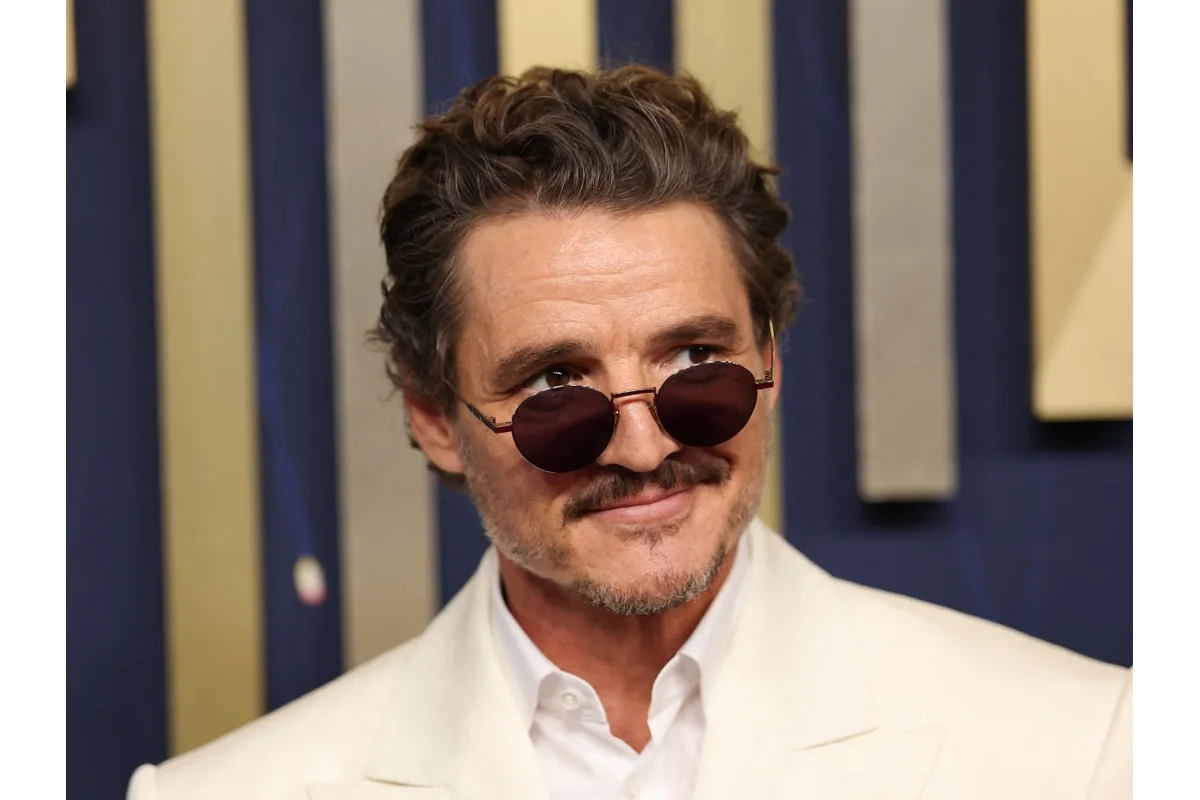
The challenge of revealing Din Djarin’s face while respecting the established lore of the Mandalorian Creed was also discussed during the interview. Favreau explained,
It’s a tricky thing because you want to see his face, but the archetype is that of the helmet. How do we find a way to do it without undermining everything that we developed about the Mandalorian Creed?
Pascal supported this thoughtful approach, praising Favreau for the story reasoning behind removing the helmet.
When we got to that part, all I can say is that it made perfect sense, and it was what I was hoping would be the reason … If I were to pitch something, I would say, ‘The only thing that makes sense is…’ And that’s exactly it. He filled that blank.
This exchange highlights their collaborative effort to balance character integrity with dramatic storytelling.
Understanding Why Din Djarin Removes His Helmet in The Mandalorian and Grogu
Throughout the TV series, Din Djarin’s face has been rarely visible, with the emotional moment of voluntarily removing his helmet to say goodbye to Grogu in Season 2’s finale being a standout exception. This act branded him as an apostate because it breached the Mandalorian Creed. In Season 3, his journey to Mandalore and immersion in the Living Waters serves as his redemption and reinstatement into the covert. Given the significance of this arc, one might question the rationale for him removing his helmet again in the film.
The latest trailer for The Mandalorian and Grogu reveals a scene where Djarin’s helmet is forcibly removed by a captor, possibly the bounty hunter Embo, though the figure is only shown from the waist down. This action provides a surface-level explanation for the helmet’s removal. However, it conflicts somewhat with Pascal’s appreciation of Favreau’s pitch, which implies that Djarin, a proud warrior, would not simply lose his helmet in combat without a deeper motive. It suggests a more emotionally charged reason behind this choice.
The Mandalorian Season 3 also explores changing traditions within Mandalorian culture, particularly through the Armorer’s decision to allow Bo-Katan Kryze to remove her helmet while staying with the Children of the Watch covert. This shift helps unite the Mandalorians for a new era. By the season’s end, the Armorer’s acceptance of a less rigid interpretation of The Way opens the possibility for Djarin to occupy a middle ground where he can remove his helmet without losing his Mandalorian identity. This cultural evolution may provide a meaningful explanation for the helmet’s removal in the movie, aligning with Pascal’s view of fulfilling character growth.
The Mandalorian’s Evolving Relationship with the Helmet
Details about The Mandalorian and Grogu are still scarce, so fans can only speculate, but it seems plausible that Djarin is now able to remove his helmet at will at the movie’s start. While he still wears it for combat and protection, the strict adherence to helmet rules appears to have loosened. This change illustrates how far the character has developed from the zealous warrior first introduced. The film could represent the next milestone in Mandalorian culture’s transformation, highlighting greater flexibility in their traditions as they move into a new era.
The collaboration between Pascal, Favreau, and the stunt team reflects an intense commitment to preserving the essence of the Mandalorian Creed while embracing new emotional layers and physical performances. The increased on-screen presence of Pascal inside the armor, especially in helmet-off scenes, adds depth to Din Djarin’s character and offers fans a more intimate connection with the mysterious bounty hunter.
Related semantic context: related coverage · external reference.
