
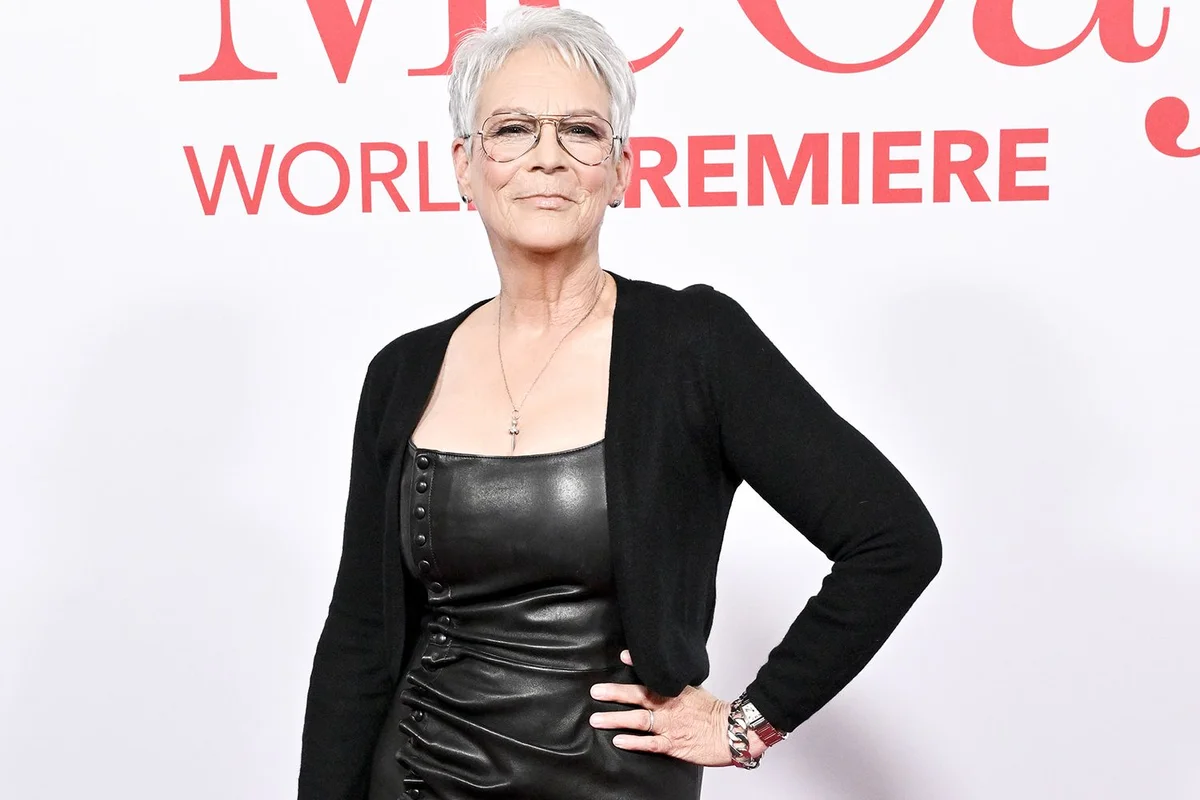
Hollywood actress Jamie Lee Curtis announced a major shift in her outlook on relationships after turning 60, stating that she no longer tolerates toxic people. Speaking from Los Angeles in early March 2026, Curtis revealed that reaching this age made her realize life is short and she intends to focus only on meaningful connections. Her experience in the entertainment industry, combined with personal growth, has shaped this decisive attitude.
Reflections on Aging and the Entertainment Industry
Jamie Lee Curtis, daughter of famed actors Tony Curtis and Janet Leigh, has witnessed firsthand the challenges that come with aging in Hollywood. She has described the industry as especially harsh toward older performers, noting a pattern of dismissal over time. Curtis shared that she had mentally distanced herself from showbiz years ago, saying,
“I’ve been self-retiring since I was 30, saying, ‘I’ll get out of this,’ because the industry I’m in is a cruel, cruel industry, particularly with ageing. There’s a dismissal of people. I watched it very much with my parents. So I have just decided to embrace that.”
Jamie Lee Curtis has now chosen to confront these realities openly and embrace the stage of life she is in, rather than resist it.
Finding Freedom in Accepting Natural Aging
After reaching 60, Curtis began embracing her natural appearance without regret or trying to hide signs of aging. She described this acceptance as a form of liberation. As she explained,
“Accepting my crepey skin and showing it anyway — that’s freedom. I understand what I look like. I look in the mirror. I get it. And there’s no need for me to alter it.”
This candid approach contrasts with the pervasive pressure in both Hollywood and society that often encourages masking signs of aging.
Curtis Critiques the Impact of Filters and Altered Appearances
The actress has also been vocal regarding the rise of digital filters and cosmetic procedures, which she views as detrimental to authentic human beauty. She criticized the prevalence of artificial image alteration, attributing much of this trend to a combination of cosmetic products and advancing AI technology. Curtis told The Guardian,
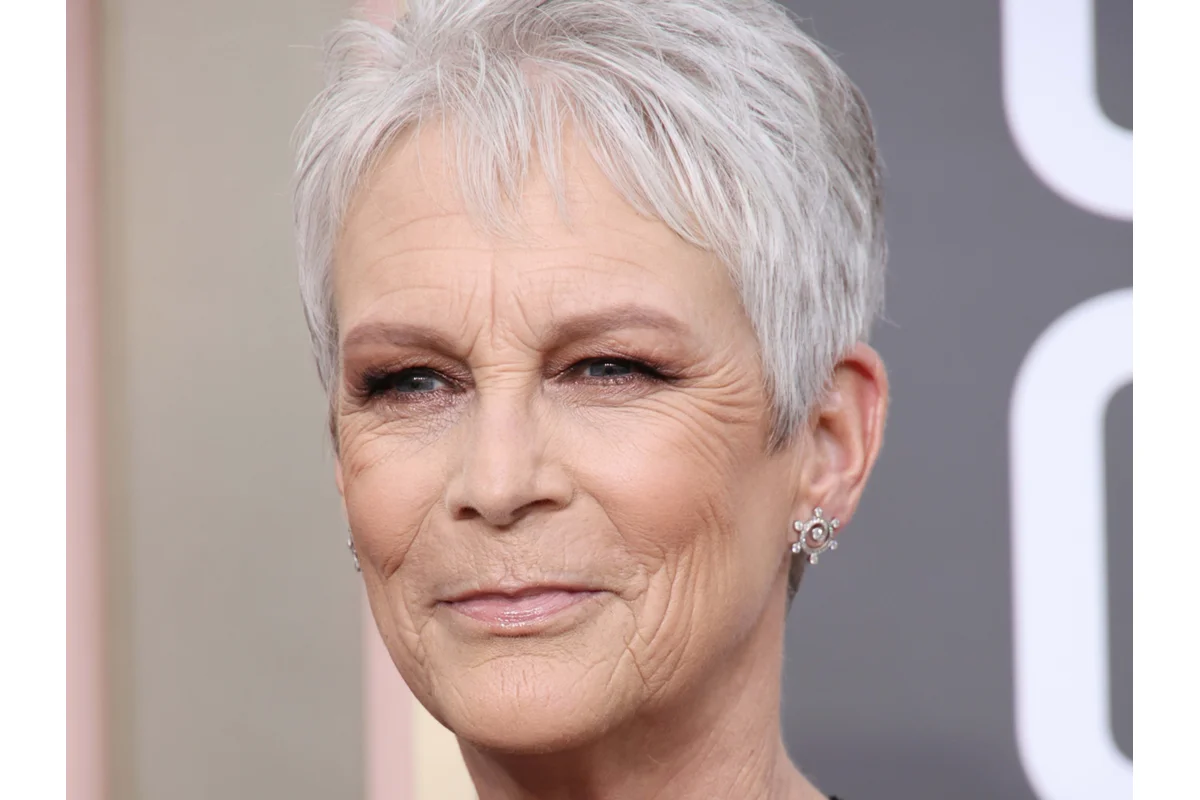
“I believe that we have wiped out a generation or two of natural human (appearance). The concept that you can alter the way you look through chemicals, surgical procedures, fillers – there’s a disfigurement of generations of predominantly women who are altering their appearances. And it is aided and abetted by AI, because now the filter face is what people want.”
She further expressed the conflict between reality and filtered images:
“I’m not filtered right now. The minute I lay a filter on and you see the before and after, it’s hard not to go: ‘Oh, well that looks better.’ But what’s better? Better is fake. And there are too many examples – I will not name them – but very recently we have had a big onslaught through media, many of those people.”
The Broader Significance of Curtis’ Standpoint
Jamie Lee Curtis’ firm stance against toxic relationships and artificial beauty standards reflects a broader cultural conversation about authenticity in aging and personal boundaries. Her public declarations highlight the emotional intensity and uncertainty many face when confronting societal pressures on appearance and the fleeting nature of relationships. By openly addressing these issues, Curtis encourages a rethinking of how individuals, especially women in demanding industries such as Hollywood, can reclaim their time and self-worth. Going forward, her perspective may inspire others to prioritize genuine connections and embrace their natural selves amid external pressures to conform.
