
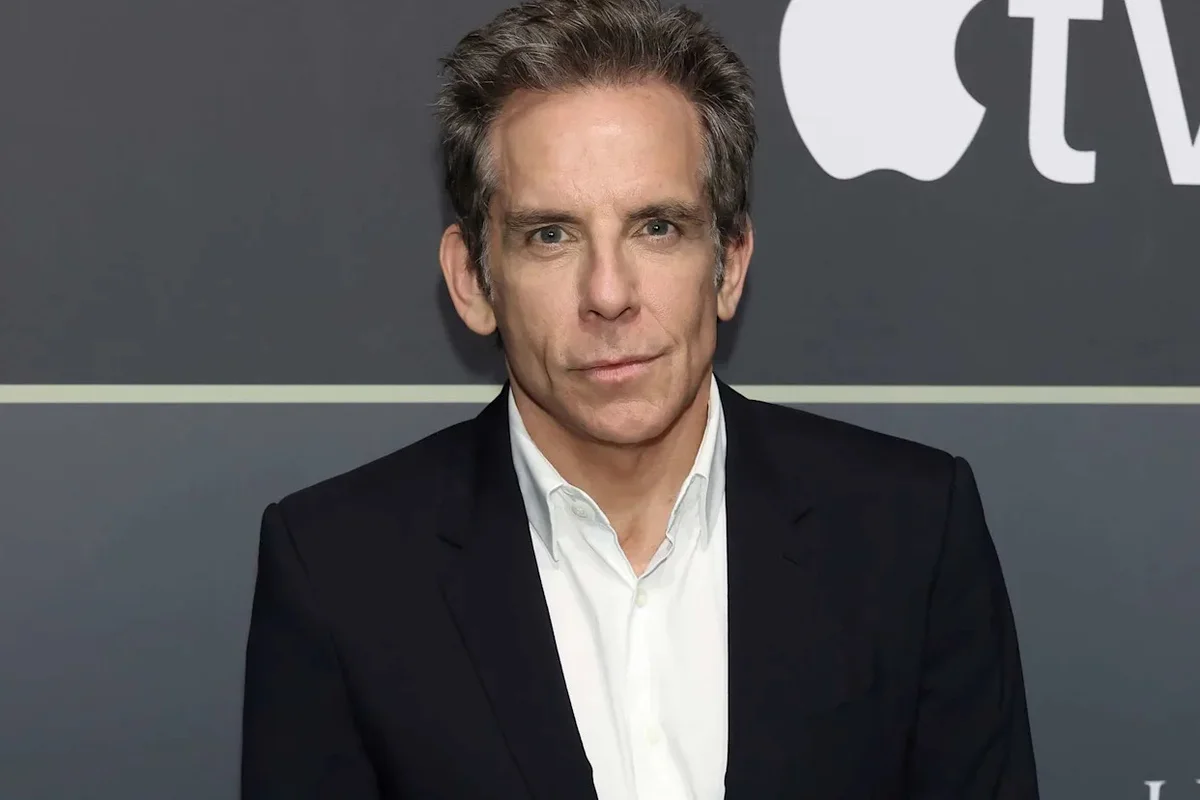
On March 5, Ben Stiller publicly denounced the White House after its official X account shared a video that included a clip from the 2008 film Tropic Thunder. The video, featuring the theme from the Mortal Kombat movie, compiled scenes from various movies, TV shows, anime, and video games to promote a pro-war message.
White House Video Mixed Iconic Scenes and Soundtrack
The controversial video posted on the White House X account was titled “JUSTICE THE AMERICAN WAY.” It mashed up clips from a wide range of titles including Braveheart, Deadpool, Gladiator, Iron Man 2, John Wick, Star Wars: The Last Jedi, Superman, Transformers, Tropic Thunder, and Top Gun: Maverick, all backed by the Mortal Kombat theme music. Additionally, it incorporated footage from TV series such as Better Call Saul and Breaking Bad, the anime Dragon Ball Super and Yu-Gi-Oh, and even the video game Halo.
Ben Stiller Demands Removal and Rejects Political Use
Ben Stiller, who directed, produced, co-wrote, and starred as Tugg Speedman in Tropic Thunder, responded sharply on X by calling out the unauthorized use of footage from the film. He asked the White House to remove the Tropic Thunder clip, making clear that neither he nor the film’s creators had given permission for its use nor wanted to be associated with the political message.
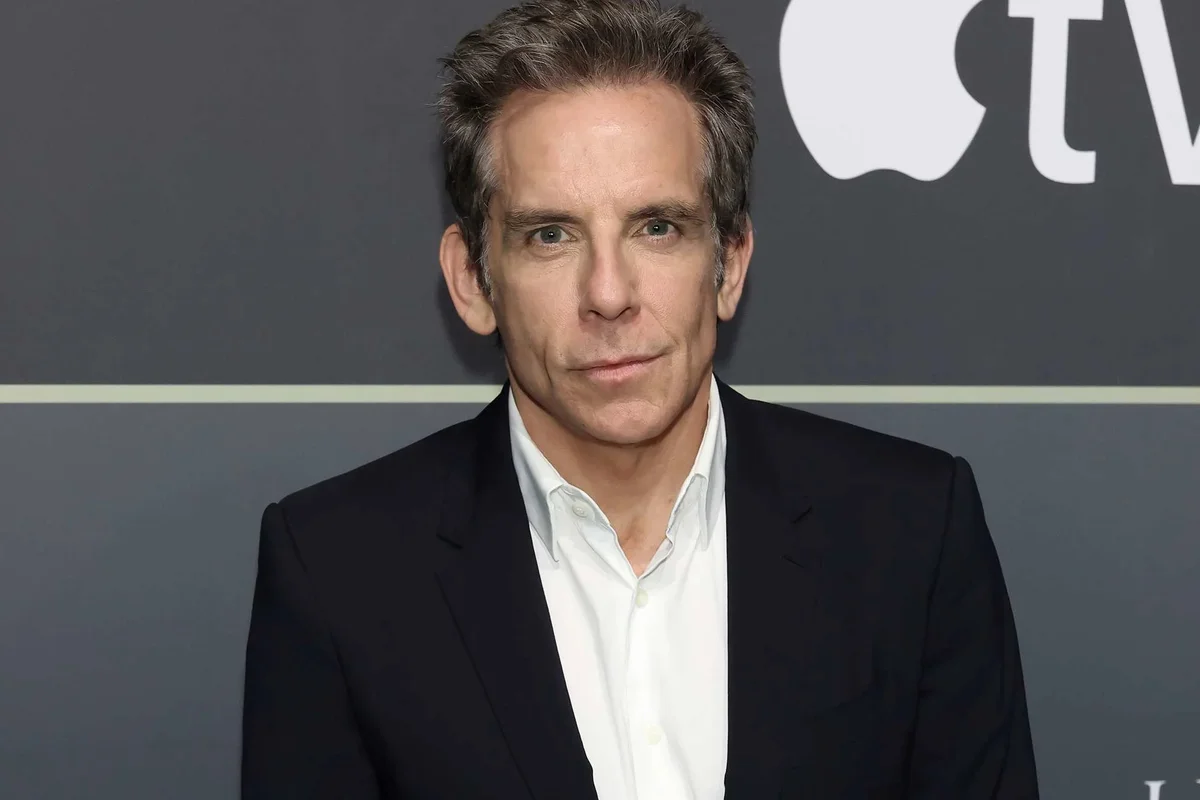
Ben’s Statement on the White House Video
Ben Stiller’s direct message read,
“Hey White House, please remove the Tropic Thunder clip. We never gave you permission and have no interest in being a part of your propaganda machine. War is not a movie.”
Backlash from MAGA Supporters and Stiller’s Firm Response
Ben’s statement triggered strong reactions from some MAGA supporters, including actor Kevin Sorbo, who criticized his remarks. Despite the backlash, Stiller stood firm on his position and did not retract his demand, maintaining a clear stance against the political use of his work.
Public Reactions Criticize the White House’s Pro-War Advertisement
The video sparked wide criticism beyond Ben Stiller’s reaction. Numerous individuals decried the White House’s decision to promote regime change war through what many described as an embarrassing and tone-deaf montage. Social media users pointed out the irony in using Tropic Thunder, a satire that mocks the glamorization of war and the misconceptions surrounding it.
Comments Highlight the Absurdity of the White House Video
One user wrote,
“Maybe the Trump admin missed that Tropic Thunder is making fun of people who think war is a movie.”
Another added,
“the ‘most powerful’ government on Earth promoting regime change war like an AMV from 2009(no Linkin Park?), what a deeply embarrassing time to be an American lol.”
Expressions of frustration were common, with some calling the situation exasperating:
“I’m so sick of being ruled by the most evil fucking idiots on the planet.”
Others interpreted the video as intentional trolling by youthful social media handlers at the White House trying to provoke a reaction from actors they hoped to sway.
Criticism of the Video’s Style and Messaging
Additional critiques targeted the immature tone of the video, noting signs of poor taste in pairing the Mortal Kombat theme with a message of war. Comments questioned the professionalism of the account creators with remarks such as,
“Maximum cringe even from the right wing. Mortal Kombat theme and ‘flawless victory?’ Is the WH account run by a 13 year old?”
Significance of Stiller’s Stand and What to Watch For Next
Ben Stiller’s outspoken rejection of the White House’s use of the Tropic Thunder clip underlines the broader issue of unauthorized political appropriation of creative works. His refusal to be part of a pro-war propaganda effort brings attention to the importance of artists’ control over their creations. Going forward, this incident may lead to increased scrutiny on how government entities employ popular media in their communications. It also sparks a wider conversation about the messaging surrounding war and the complexities of public relations in politically charged environments.
JUSTICE THE AMERICAN WAY. 🇺🇸🔥 pic.twitter.com/0502N6a3rL
— The White House (@WhiteHouse) March 6, 2026
Hey White House, please remove the Tropic Thunder clip. We never gave you permission and have no interest in being a part of your propaganda machine. War is not a movie. https://t.co/dMQqRxxVCa
— Ben Stiller (@BenStiller) March 6, 2026
Shut up
— Kevin Sorbo (@ksorbs) March 6, 2026
You are entitled to your opinion
— Ben Stiller (@BenStiller) March 6, 2026
Usually to protest war
— Ben Stiller (@BenStiller) March 7, 2026
Correct
— Ben Stiller (@BenStiller) March 7, 2026
Gay Focker actually.
— Ben Stiller (@BenStiller) March 7, 2026
Thanks for the follow!
— Ben Stiller (@BenStiller) March 6, 2026
Related semantic context: related coverage · external reference.
