
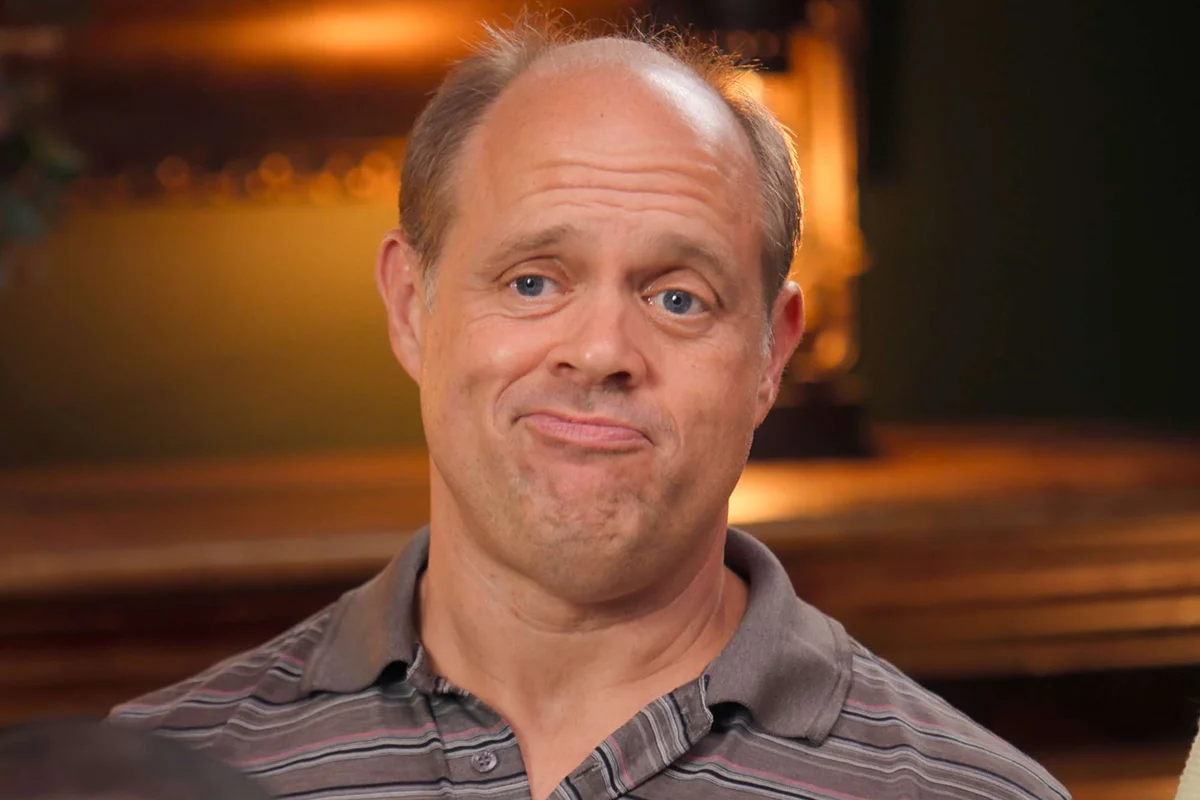
On Thursday, James Woods announced his departure from the Republican Party, expressing deep frustration with GOP lawmakers. The 78-year-old actor, recognized for his conservative stance and vocal support of MAGA politics, accused congressional Republicans of betraying their cause by protecting Democratic opposition figures instead of holding them accountable.
Woods, who has described Donald Trump as
“the greatest president of my lifetime,”
declared on social media that he would change his party affiliation to Independent, citing increasing disillusionment with the Republican establishment.
Criticism of GOP Lawmakers and the ‘Uniparty’ Dynamic
Woods focused his ire on congressional Republicans blocking a resolution aimed at investigating Democratic Representative Ilhan Omar. He specifically mentioned GOP leaders like Senator John Thune for frustrating efforts to pass the SAVE Act and suggested these actions reveal a “uniparty” that undermines political accountability.
Sharing a video of Republican Congresswoman Nancy Mace of South Carolina, Woods highlighted Mace’s rebuke of her own party’s reluctance to investigate Omar. Mace emphasized the need to pursue inquiries that are often touted during political campaigns, despite claims circulating in conservative circles around Omar’s alleged immigration-related improprieties.
Although Omar has denied these allegations and previous investigations have yielded no conclusive proof, Woods’ comments reflect growing frustration with what some conservatives see as a lack of decisive action from Republican officials.
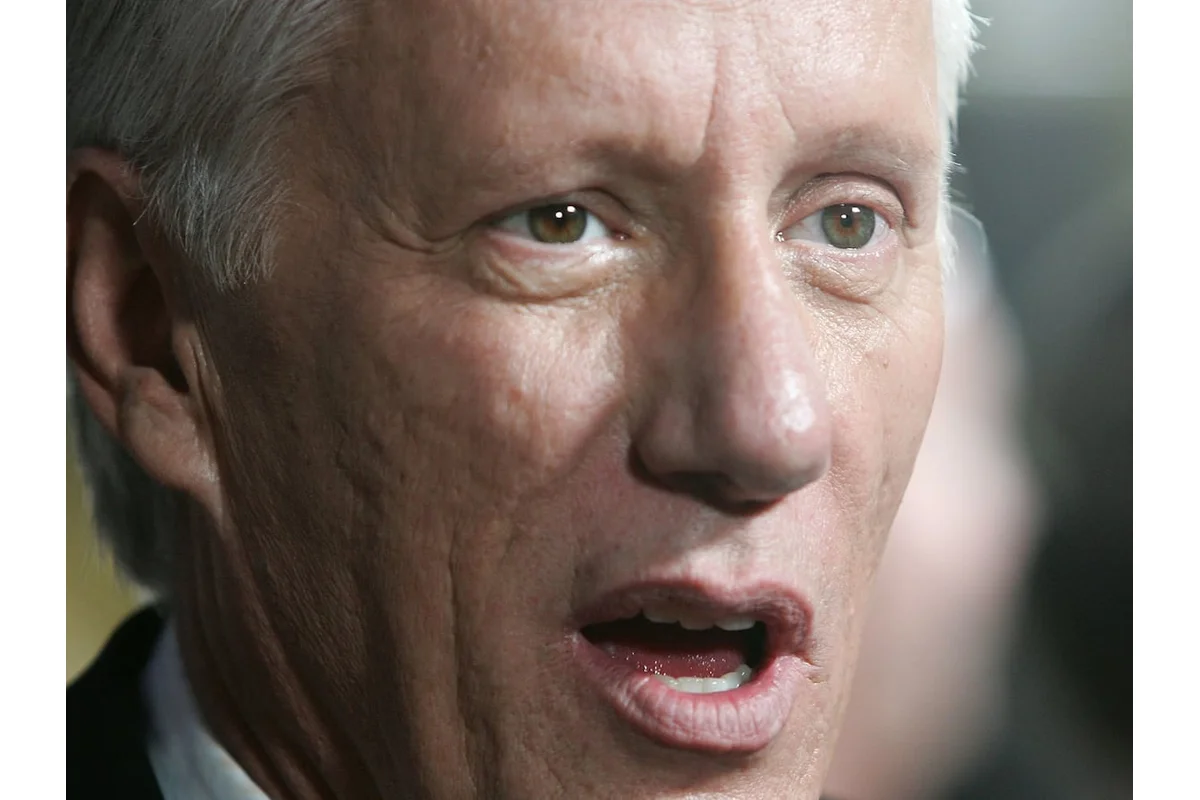
James Woods’ History of Political Outspokenness and Professional Consequences
Woods has historically used platforms like X (formerly Twitter) to fiercely criticize prominent Democrats including Governor Gavin Newsom and Representative Alexandria Ocasio-Cortez. His unyielding political views have reportedly led to professional difficulties in Hollywood, including being dropped by his agent and fewer acting roles, which he attributes to a form of blacklisting.
Despite these challenges, Woods has remained a staunch supporter of President Trump, frequently sharing images of the former president and his Cabinet, lauding them as the finest in his lifetime.
Still, Woods has not hesitated to critique Trump when he finds cause. Recently, he condemned Trump’s remarks about late filmmaker Rob Reiner as “distasteful,” underscoring that personal respect should transcend political differences.
Tribute to Rob Reiner: Respect Beyond Politics
Rob Reiner, widely known for his liberal views, was tragically killed alongside his wife Michele in their Los Angeles home in December, with their son Nick arrested on suspicion of murder. Woods spoke about Reiner’s impact on his life and career during a December interview on Fox News’s Jesse Watters Primetime.
Woods described Reiner as a “Godsend,” recalling how the director gave him a career-reviving role in the 1996 film Ghosts of Mississippi after studios were hesitant to cast him. This opportunity eventually led to an Academy Award nomination for Woods.
Emphasizing their mutual respect, Woods said,
“I judge people by how they treat me, and Rob Reiner was a Godsend in my life. We got along great, we loved each other… He was always on my side.”
What do you think of his politics?
Woods recounted, responding,
I think Rob Reiner is a great patriot.
He acknowledged that though they had differing ideas about patriotism, mutual respect was central to their relationship. Woods further praised Reiner for refraining from harsh comments about conservative figures like Charlie Kirk after Kirk’s assassination, reflecting a personal integrity Woods admired deeply.
“We had a different path to the same destination, which was a country we both love,”
Woods said, calling Reiner a friend, artist, Hollywood icon, and patriot whom he deeply mourns.
The Broader Implications of Woods’ Departure and GOP Challenges
Woods’ decision to leave the Republican Party spotlights an internal crisis within the GOP as some members perceive their leadership as compromised by alliances across the aisle. His use of the term “uniparty traitors” reflects a belief that certain lawmakers prioritize political convenience over party principles.
This public break may resonate with other disillusioned conservatives who feel the GOP is failing to aggressively oppose Democrats. Woods’ criticism of legislative actions, or lack thereof, including blocking investigations and failing to pass specific bills, marks a call for greater accountability.
As Woods switches to Independent status, his declaration underscores ongoing tensions within the Republican base, potentially influencing political discourse among conservatives nationwide.
Related semantic context: related coverage · external reference.
