
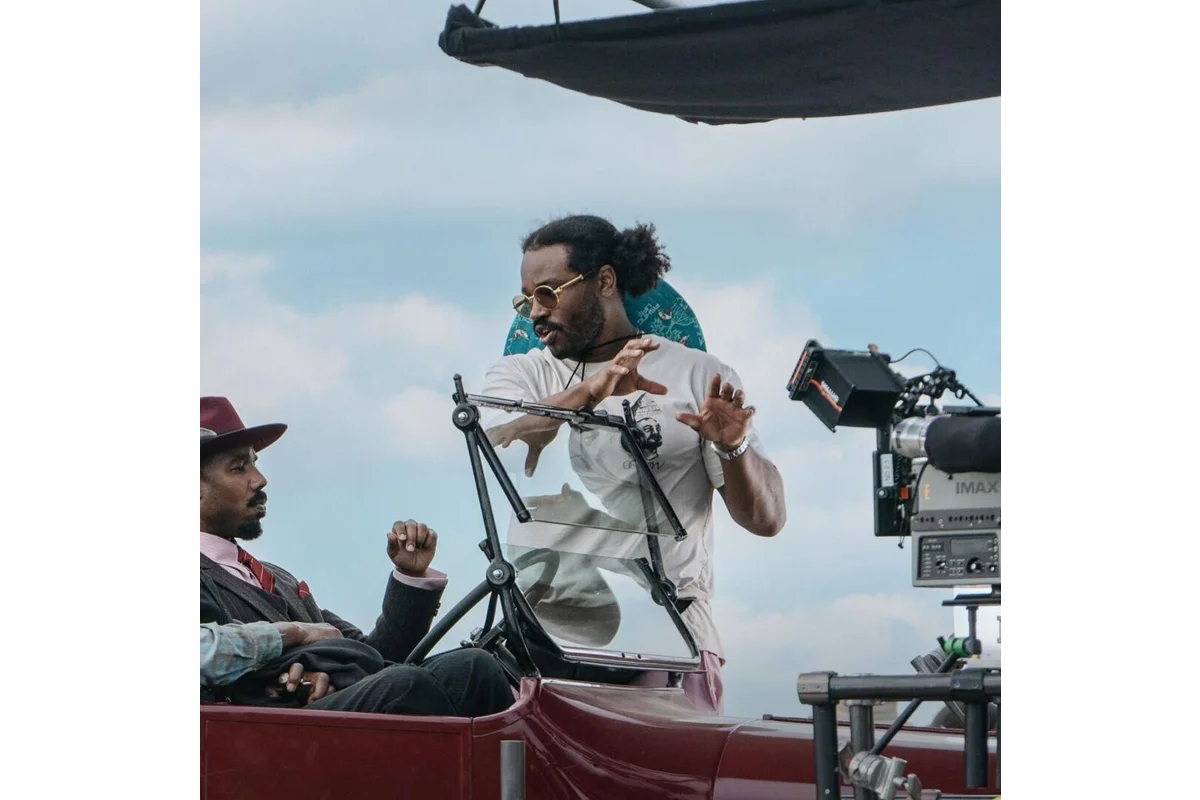
Director Ryan Coogler has made headlines by securing an unprecedented ownership agreement with Warner Bros. for his new vampire thriller Sinners. This arrangement grants Coogler full ownership of the film starting in 2050, marking a significant shift in how intellectual property is controlled in Hollywood. The move is drawing attention as Coogler, a key figure in the industry, is also a strong contender to become the first Black recipient of the Best Director Oscar on March 15.
Record-Breaking Success of Sinners and Its Industry Impact
Sinners not only broke records with 16 Oscar nominations, the highest ever for a single film, but it also achieved remarkable box office success, earning nearly $370 million worldwide, more than four times its production budget of $90 million. Coogler made history recently by becoming the first director to lead two films—Sinners and Black Panther—that won the Best Ensemble Award at the Actors Guild. The film’s success emphasizes a shift in Hollywood’s power dynamics, as creators begin to reclaim rights traditionally held by studios.
The Changing Landscape: Creators Seeking Greater Control
The ownership model established by Coogler is influencing how studios and directors negotiate deals. Studio executives are reportedly finding it increasingly difficult to manage relationships with talent as more filmmakers request similar terms. Unlike standard contracts, Coogler’s deal allows him to collect royalties from streaming, broadcasts, licensing, and merchandising, revenue streams typically reserved for the studio.
Coogler, 39, revealed to Business Insider that his motivation stemmed from the film’s story about two brothers struggling to save their juke joint in the Jim Crow-era South. Though he has no plans to seek ownership deals for future projects, this move marks a significant departure from conventional studio agreements.
Dissenting Views from Studio Leadership
Sony Film CEO Tom Rothman expressed hesitation toward such ownership agreements. On The Town with Matthew Belloni, Rothman explained declining to acquire Sinners was in part because he did not want to “institutionalize” ownership deals like Coogler’s.
“You can never ruin your business for one movie…the profitability that underlines a movie studio is its library.”
Tom Rothman, Sony Film CEO
Rothman also pointed out that the ownership terms Quentin Tarantino received for Once Upon a Time in Hollywood were an exception carried over from Tarantino’s earlier agreements with Miramax, indicating such deals are still rare and heavily guarded within studios.
The Broader Context and Industry Reactions
Coogler’s past successes, including directing culturally significant and critically acclaimed films like Black Panther and Creed, helped convince Warner Bros. executives to approve the unique deal for Sinners. Industry experts note, however, that exact details of ownership deals remain largely confidential, making Coogler’s agreement an unusual case.
Ana-Christina Ramón, director of the Entertainment and Media Research Initiative at UCLA, highlights the exceptional nature of this disclosure.
“The one thing that I found interesting is the fact that [the details] were leaked for an African American filmmaker.”
Ana-Christina Ramón, Director, Entertainment and Media Research Initiative, UCLA
Significance and Implications for Hollywood’s Future
Ryan Coogler’s ownership playbook signals a potential turning point as filmmakers seek greater agency over their work and its profits. This development challenges the traditional Hollywood model, dominated by studios controlling film libraries and revenue streams. While Coogler has stated he will not pursue similar ownership rights for future films, his groundbreaking deal may encourage other directors to push for new contractual terms, making talent negotiations more complex.
As Hollywood continues to evolve, this shift towards creator control could reshape the industry’s financial and creative landscapes, influencing how studios and filmmakers collaborate going forward.
Related semantic context: related coverage · external reference.
