
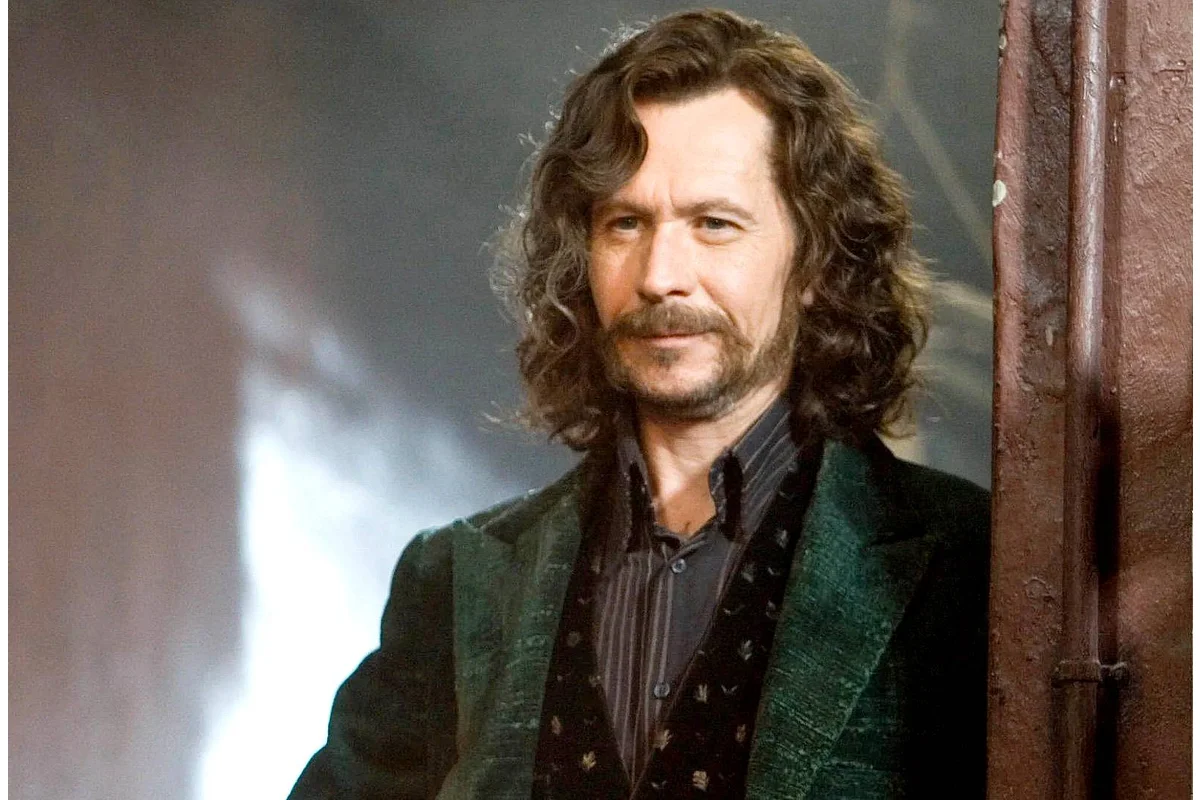
Gary Oldman, celebrated for his ability to completely transform for each role, has a filmography that includes several underrated gems. Known for his intense and varied portrayals—from historical figures to comic book villains—Oldman’s lesser-known works deserve renewed attention for showcasing his immense talent in unexpected ways.
Many of these films, created during the late 1980s and 1990s, highlight his fearless approach to acting before he became widely recognized. These movies demonstrate how Oldman has long embraced challenging and diverse roles, offering performances that remain captivating and demonstrate the breadth of his craft.
A Closer Look at Nobody’s Baby (2001)
Although not a prominent title in Oldman’s career, Nobody’s Baby offers a refreshing example of his comedic abilities. In this 2001 comedy-drama, Oldman plays Billy, a petty criminal whose life shifts dramatically when he unexpectedly becomes responsible for an abandoned infant. Alongside Skeet Ulrich’s character Buford, Billy must confront his reckless lifestyle in the midst of humorous and heartfelt scenarios.
Oldman blends offbeat humor with sincere vulnerability, giving Billy a rough-around-the-edges charm that elevates the film above typical indie comedies. Despite not achieving widespread commercial success, Nobody’s Baby remains a compelling showcase of Oldman’s versatility in lighter material that is often overlooked today.
The Passion and Complexity in Immortal Beloved (1994)
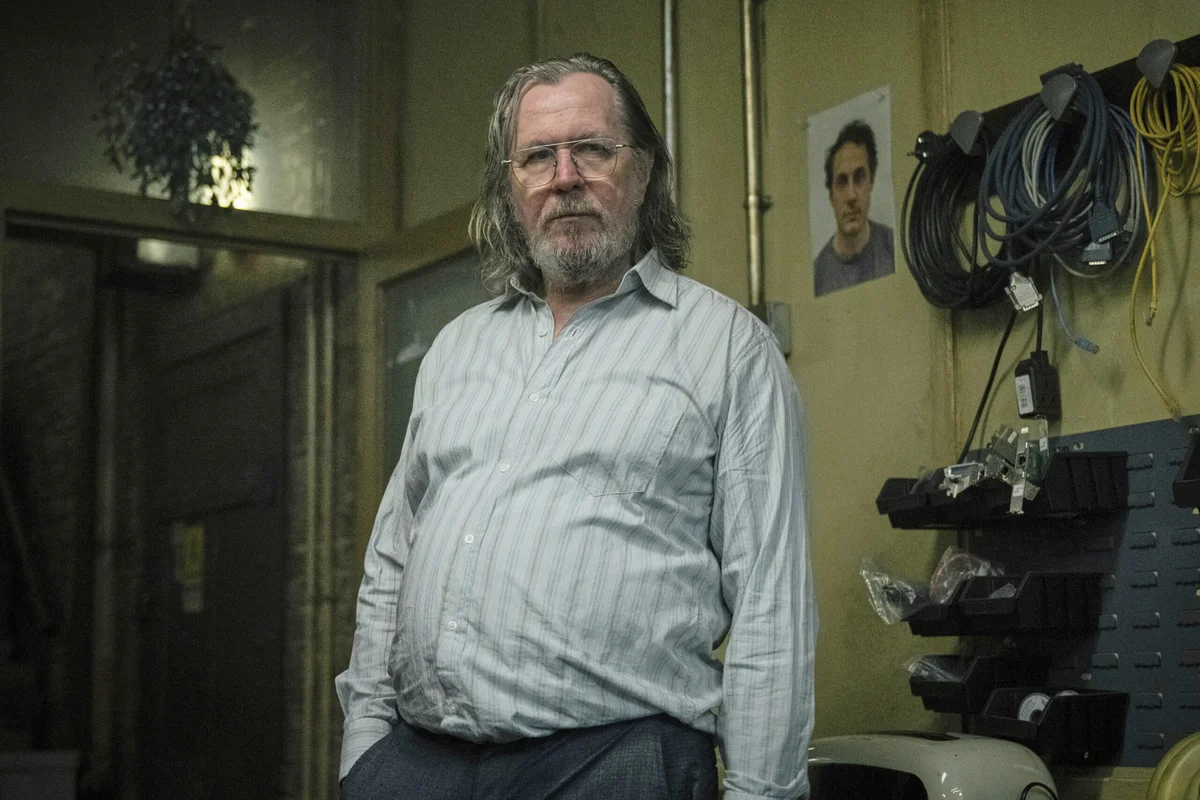
In Immortal Beloved, Oldman delivers one of his most intense and heartfelt performances as Ludwig van Beethoven. This 1994 historical drama explores the composer’s tempestuous life, capturing his brilliance alongside his volatile nature and fraught relationships. Oldman’s portrayal is deeply immersive, depicting Beethoven’s growing deafness and profound emotional isolation with striking physicality.
Although the film received mixed reviews, Oldman’s embodiment of Beethoven shines throughout, giving the story emotional depth and gripping intensity. This role serves as an early testament to Oldman’s ability to anchor ambitious period dramas by fully inhabiting complex characters with authenticity and power.
The Dark, Stylish World of Romeo Is Bleeding (1993)
Romeo Is Bleeding stands out as one of the more enigmatic crime thrillers of the early ’90s, featuring Oldman as Jack Grimaldi, a corrupt detective caught in a dangerous double life. His involvement with a ruthless Russian assassin spirals into a story full of paranoia and desperation. Oldman’s performance captures the character’s moral compromises and self-destructive tendencies, fitting perfectly with the film’s gritty, neo-noir atmosphere.
Opposite Lena Olin’s memorable antagonist, Oldman portrays Jack with a complex mix of weakness and greed, making the flawed antihero compelling despite his destructive behavior. While critical opinions at the time were divided, the film has since amassed a cult following largely due to Oldman’s raw and fearless portrayal of an imperfect character undone by his choices.
State of Grace: An Explosive Crime Drama Role (1990)
Often overshadowed by other gangster films of its decade, State of Grace features one of Oldman’s most electrifying supporting roles. Set in an Irish–American neighborhood in New York, the 1990 film centers on an undercover cop investigating his old friends involved in organized crime. Oldman’s Jackie Flannery is a volatile gangster whose erratic temper threatens to ignite deadly conflict.
With manic energy and palpable loyalty, Oldman transforms a predictable mob figure into an unpredictable and dangerous force. His powerful chemistry with Sean Penn and the rest of the cast helps raise the film’s intensity, making State of Grace a deeply compelling crime drama that remains underrated and deserving of rediscovery.
Exploring Philosophical Comedy in Rosencrantz & Guildenstern Are Dead (1990)
Based on Tom Stoppard’s celebrated play, Rosencrantz & Guildenstern Are Dead offers a unique blend of surreal humor and existential themes. Oldman stars as Rosencrantz, forming a clever comedic pairing with Tim Roth’s Guildenstern, both characters drawn from Shakespeare’s Hamlet but thrust into a storyline questioning fate and identity.
Oldman’s portrayal captures Rosencrantz’s bewilderment and dawning awareness of his lack of control over events, delivering rapid-fire dialogue with sharp comedic timing. Despite limited mainstream appeal, the film remains an engaging testament to Oldman’s theatrical background and comedic range, standing out as a cleverly executed adaptation of Stoppard’s work.
Oldman as a Chilling Political Antagonist in The Contender (2000)
In the 2000 political drama The Contender, Oldman plays Congressman Sheldon Runyon, a calculating figure intent on destroying a female vice presidential candidate’s reputation during a heated confirmation battle. Unlike typical caricatured villains, Oldman brings a subtle, chilling realism to the role through his calm, manipulative delivery.
This restrained yet disturbing performance highlights the darker undercurrents of political power games. Though Joan Allen and Jeff Bridges earned more widespread acclaim, Oldman’s role remains a standout, illustrating his adeptness at commanding attention in dialogue-driven, intense scenes that rely on psychological tension rather than drama or action.
Early Intensity in The Firm (1989)
The Firm, a 1989 British crime drama, depicts violent football hooliganism through the character of Bexy, played by Oldman. Bexy is the charismatic but dangerously obsessive leader of a gang that ritualizes organized street fighting as a misguided code of loyalty and pride. Oldman’s performance balances the character’s magnetic appeal with a disturbing obsession with violence.
The film’s raw, almost documentary style exposes the destructive consequences of this lifestyle. Oldman’s portrayal reveals the magnetic yet toxic leadership that commands loyalty while bringing devastation. The Firm remains one of his most powerful early performances, capturing the dangerous allure of gang culture with gritty realism.
Emotional Depth in Chattahoochee (1989)
Chattahoochee tells a harsh and emotional story inspired by true events, focusing on a Korean War veteran wrongfully institutionalized in a Florida mental hospital. Oldman’s Emmett Foley, a fellow patient at the facility, becomes an empathetic ally amid brutal and abusive treatment. His portrayal adds a quiet humanity and tragic depth to the film’s exploration of systemic injustice.
While the film had limited release and received mixed reviews, Oldman’s heartfelt performance grounds the narrative, offering a poignant depiction of damage and compassion within a harsh institutional environment, illuminating the emotional struggle of those caught in such systems.
Subtle Psychological Tension in The Backwoods (2006)
By the mid-2000s, Gary Oldman was widely known for blockbuster franchises, which may have contributed to smaller projects like The Backwoods remaining underappreciated. This 2006 thriller is set in rural Spain, where a group of vacationers encounters a disturbing secret in an isolated farmhouse. Oldman plays Paul, an English doctor whose quiet vacation evolves into a tense survival challenge.
Unlike his more flamboyant characters, Oldman employs restraint and subtle emotional nuance to reflect Paul’s moral uncertainties and anxieties as the group debates their responsibility toward a captive they discover. Though the film received modest attention, The Backwoods is an intriguing psychological thriller that highlights Oldman’s skill in understated performances.
Embracing Surrealism in Track 29 (1988)
Track 29 remains one of Gary Oldman’s most unusual and experimental films. This 1988 psychological drama, written by Dennis Potter, weaves dark humor and unsettling themes into the story of a lonely woman confronted by a mysterious young man claiming to be her long-lost son. Oldman’s Martin is unpredictable, shifting between charming, manipulative, and menacing, keeping viewers unsure of his true nature.
Oldman fully commits to the film’s surreal tone, blending discomfort with dark comedy. Although initially confusing to audiences, Track 29 has since gained a cult following and stands as a unique example of Oldman’s willingness to explore avant-garde storytelling early in his career, solidifying its place among underrated gems.
Revisiting these underrated Gary Oldman movies reveals the depth and daring character of his work beyond blockbuster hits or widely celebrated roles. These films highlight his extraordinary range, from comedic subtlety to raw emotional power, making them essential watches for fans and cinephiles alike. Their renewed appreciation may also shed light on Oldman’s evolving artistry, influencing how his future projects are viewed by audiences seeking more nuanced performances.
Related semantic context: related coverage · external reference.
