
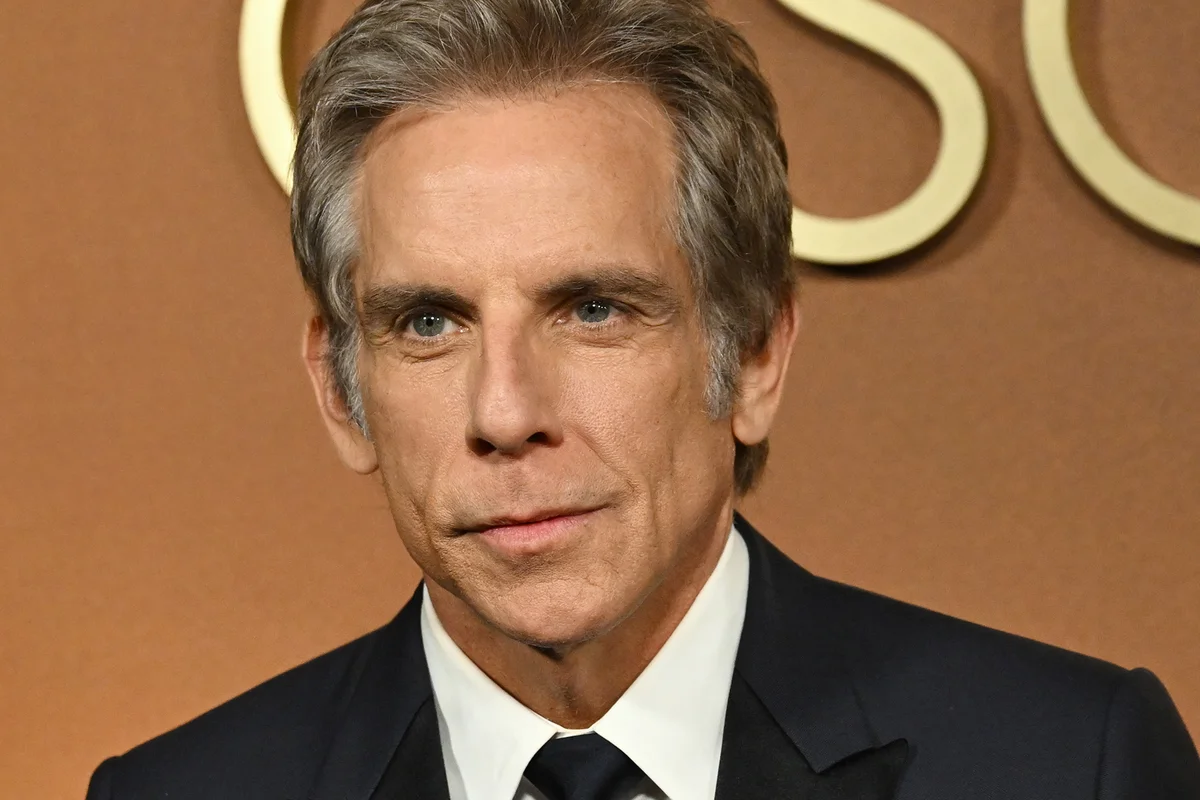
Actor and filmmaker Ben Stiller has publicly condemned the White House after a video montage posted on the administration’s social media channels included a clip from his 2008 movie Tropic Thunder without permission. The controversial video, shared in early March 2026, combined images of recent American and Israeli military strikes in Iran with scenes from films, television shows, and video games, drawing strong reactions from artists concerned about their work being used in political messaging.
Controversial Video Montage Sparks Backlash
The video released by the White House paired footage of drone attacks with clips from well-known media franchises such as Top Gun: Maverick, Braveheart, Transformers, and Iron Man 2. Among them was a short segment from Tropic Thunder depicting Tom Cruise’s character, Less Grossman. The clip appeared alongside visual tributes to recent military strikes, which intensified criticism from creators who felt their content was misappropriated to support war narratives.
Ben Stiller’s Clear Response to the White House
Stiller, who portrayed the character Tugg Speedman in Tropic Thunder, responded swiftly on the platform X, demanding the removal of the clip. He expressed his refusal to be linked with government propaganda related to armed conflict. In his direct message, he stated:
Hey White House, please remove the Tropic Thunder clip,
he wrote.
We never gave you permission and have no interest in being a part of your propaganda machine. War is not a movie.
– Ben Stiller, Actor and Filmmaker
Broader Artistic Objections to Political Use of Entertainment
This incident is part of a wider pattern where various entertainers have pushed back against the use of their work by political administrations. The White House montage also incorporated footage from other popular franchises and series such as Gladiator, John Wick, Breaking Bad, Superman, Deadpool, and the video game Halo. Earlier, singer Kesha criticized the administration after her song Blow was used in a video titled Lethality, featuring missile launches and destruction of enemy targets, reacting strongly against what she viewed as inappropriate alignment with war imagery.
Context and Possible Implications of the Controversy
The use of entertainment media in government videos promoting military actions has raised questions about consent and the ethical use of artistic works. Stiller’s criticism highlights concerns about how creative content can be co-opted to frame warfare in a dramatic or glorified manner, which may distort public perception of real conflict’s gravity. As tensions remain heightened with ongoing strikes in Iran, the backlash from artists and entertainers could pressure political offices to reconsider how they use cultural material in official communications.
Related semantic context: related coverage · external reference.
