
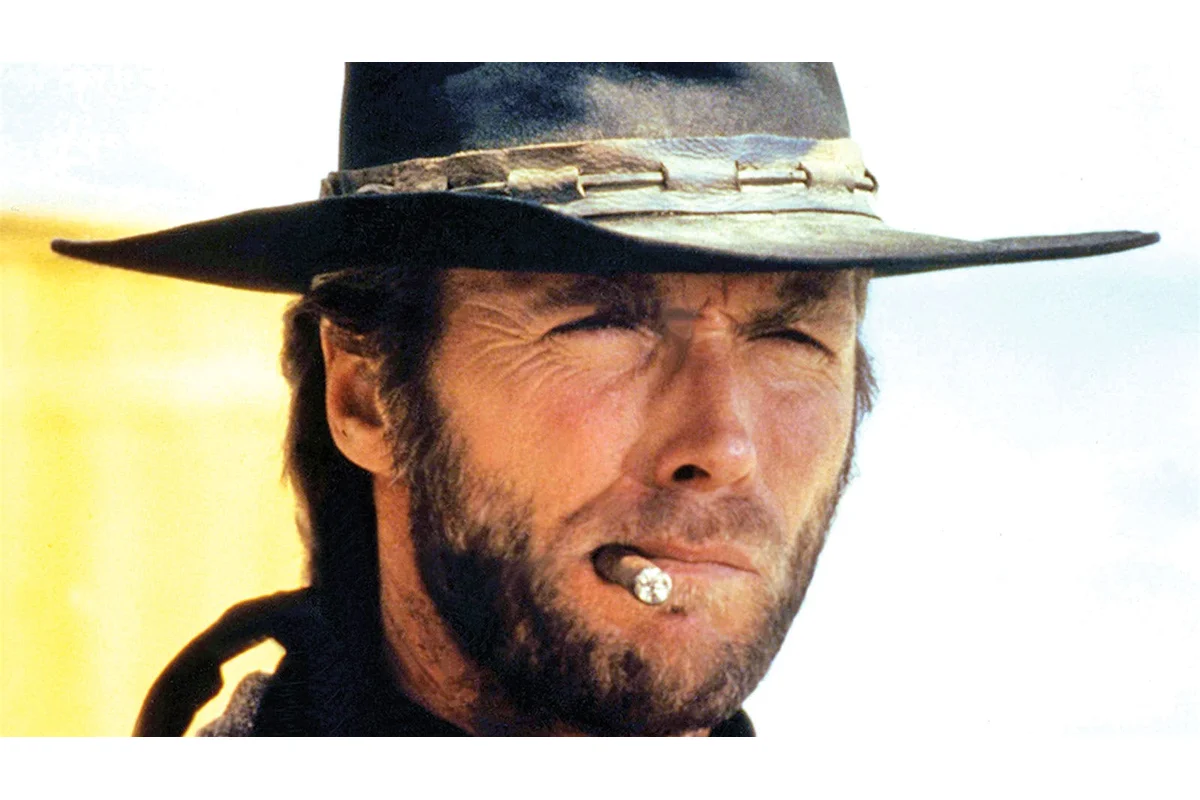
Clint Eastwood, one of the most influential figures in Western cinema, surprisingly expressed his dislike for The Wild Bunch, a landmark Western movie directed by Sam Peckinpah in 1969. Despite the film’s importance in shaping the revisionist Western genre, Eastwood, in a 1992 interview, described its violent style as something he never embraced, highlighting a conflict between his own views and the film’s graphic portrayal of brutality.
Eastwood’s Disapproval of The Wild Bunch’s Graphic Violence
The Wild Bunch emerged at a time when Hollywood was revising the traditional portrayal of the Old West. Unlike earlier Westerns, which typically featured clear distinctions between heroes and villains, this film portrayed a harsher and more realistic vision of violence. It challenged audiences by showing the Old West not as a mythical land but as a place riddled with chaos and brutality.
Given Clint Eastwood’s rising reputation as the rugged antihero of the Sergio Leone-directed Dollars trilogy, many assumed he would have admired Peckinpah’s bold approach. However, Eastwood’s opinion was quite the opposite. In a Los Angeles Times interview, he labeled The Wild Bunch a “good movie” but criticized its use of slow-motion to depict violence, calling it a “ballet of violence.”
“but I’ve never been one for the slow-motion technique, the ballet of violence.”
— Clint Eastwood, actor
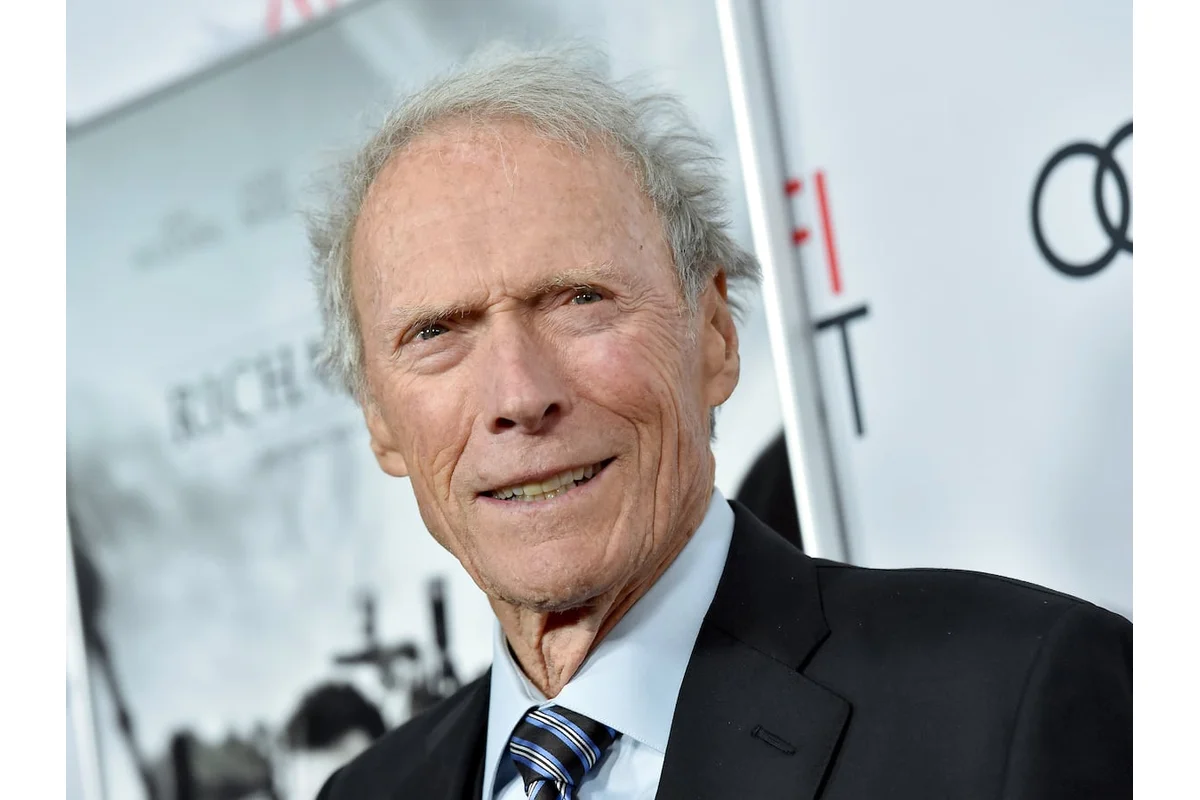
Eastwood acknowledged that Peckinpah was effective in making viewers confront the harsh realities of violence and death, and credited The Wild Bunch as laying groundwork for others who followed in the same vein. Yet, he insisted that despite its impact, he did not appreciate the style or presentation.
“the predecessor to a lot of people trying to do the same thing.”
— Clint Eastwood, actor
Eastwood explained his preference for storytelling dynamics that build tension and anticipation rather than focusing so explicitly on bloody action sequences.
“I’ve always thought that drama is really the anticipation before the action happens, the buildup to it, and the action itself is like shuffling a deck of cards, so fast it’s kind of unreal.”
— Clint Eastwood, actor
As much as Eastwood was a progressive figure in evolving the Western genre, he still held some traditional views on how violence should be depicted in film, rejecting the drawn-out, graphic style that defined Peckinpah’s film.
The Contrast Between Eastwood’s Revisionist Vision and Peckinpah’s Approach
At the time when Eastwood made these comments, he was promoting Unforgiven, a film widely regarded as a definitive revisionist Western. In Unforgiven, Eastwood portrayed William Munny, an outlaw haunted by his violent past and the emotional toll of his actions. This film’s exploration of the lingering consequences of violence contrasts sharply with the explicit and graphic focus on violence seen in The Wild Bunch.
While both films dismantle the myths surrounding the Old West, Unforgiven approaches its subject through the perspective of remorse and reflection, instead of sensationalizing bloodshed. The character of Munny is a complex figure shaped by his dark experiences, providing a more psychological and emotional take on Western violence.
Given these thematic similarities, many find it puzzling that Eastwood was not more favorable toward The Wild Bunch. Part of this may be due to the nature of Peckinpah’s characters, who appeared more callous and amoral compared to Eastwood’s typically stoic antihero.
Moreover, Eastwood seemed to resist the graphic nature of Peckinpah’s violence, preferring a subtler approach to storytelling. It could also be that Eastwood’s own career was affected by timing; as Peckinpah was making a revolutionary film, Eastwood was starring in Paint Your Wagon, a project he later expressed regret for.
The Legacy and Influence of The Wild Bunch Despite Eastwood’s Critique
The Wild Bunch holds a monumental place in film history as one of the most influential Westerns, not only for its brutal realism but also for its pioneering role in the revisionist movement. Peckinpah’s unflinching depiction of violence challenged previous Western tropes, ushering in a new era that reflected the complexities and dark nuances of American history.
Even though Clint Eastwood did not personally enjoy the film’s violent “ballet,” he recognized its importance in pushing cinematic boundaries and influencing how subsequent movies portrayed the Old West’s brutal nature. His own work in Unforgiven continued this legacy in a way that suited his narrative style, focusing more on the psychological impact than the spectacle of violence.
The ongoing discussion around The Wild Bunch and Eastwood’s contrasting views underscores the diverse interpretations within the Western genre and highlights the evolving tastes of audiences and filmmakers alike. As both films remain essential references, the dialogue between their different styles enriches the understanding of what defines a Western in modern cinema.
Related semantic context: related coverage · external reference.
