
Elijah Wood’s portrayal of Frodo Baggins remains one of the most iconic in fantasy cinema, and this connection has reignited discussions with the expansion of Middle-earth projects by Warner Bros. and New Line. As new adaptations progress, Wood’s stance on his iconic role is becoming increasingly relevant, raising questions about whether the character of Frodo should be recast while the original actor is still active.
The renewed focus on Elijah Wood’s link to Frodo
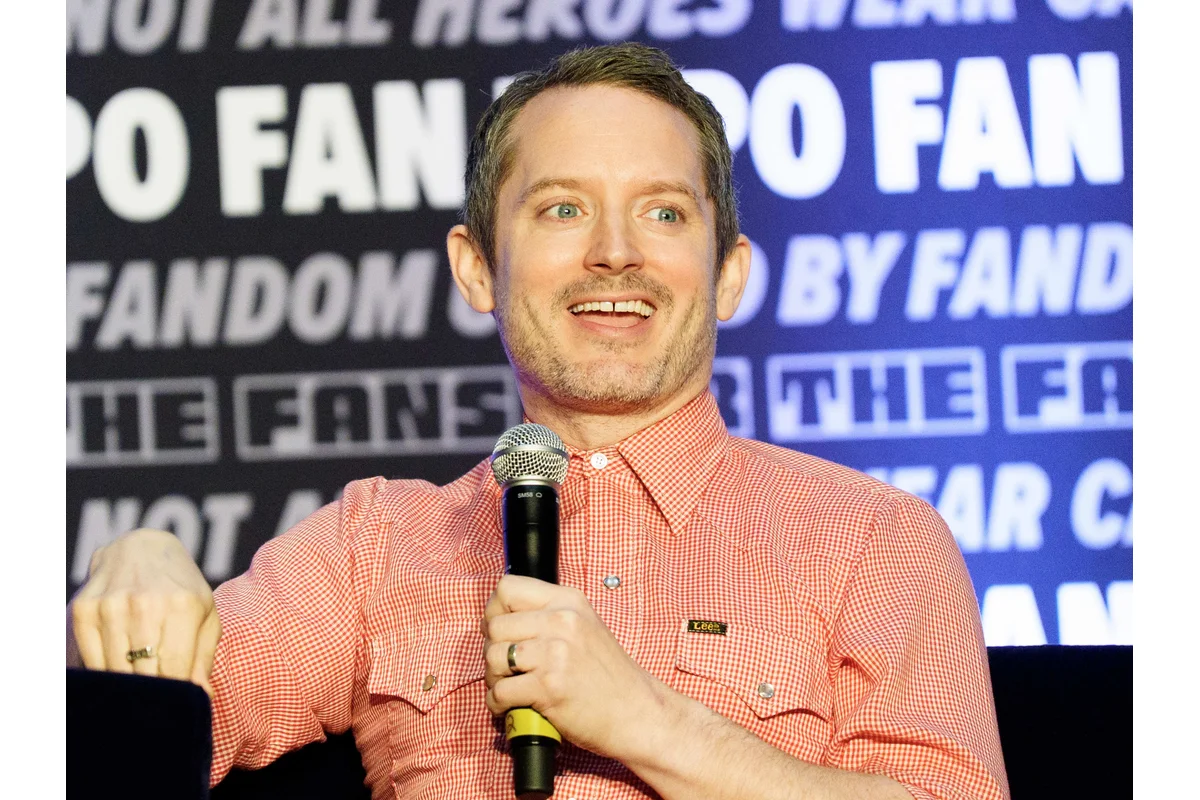
Interest in Wood’s association with Frodo surged following news about The Lord of the Rings: The Hunt for Gollum, a live-action Middle-earth film directed by Andy Serkis. In August 2025, Ian McKellen revealed that the characters Gandalf and Frodo would appear in the project but did not confirm if the original actors would reprise these roles. Elijah Wood fueled ongoing speculation at Fan Expo New Orleans in January 2026 when he said he could neither confirm nor deny his involvement, jokingly remarking that
“a wizard is to be trusted,”
a pointed reference to McKellen’s earlier comments.
The character of Frodo holds a special place beyond a conventional franchise figure. Wood’s work in Peter Jackson’s trilogy anchored the emotional core of the films, which collectively grossed nearly $3 billion worldwide. This defining role has continued to resonate with Wood, who has often expressed how deeply the experience shaped his career and life.
The phrase
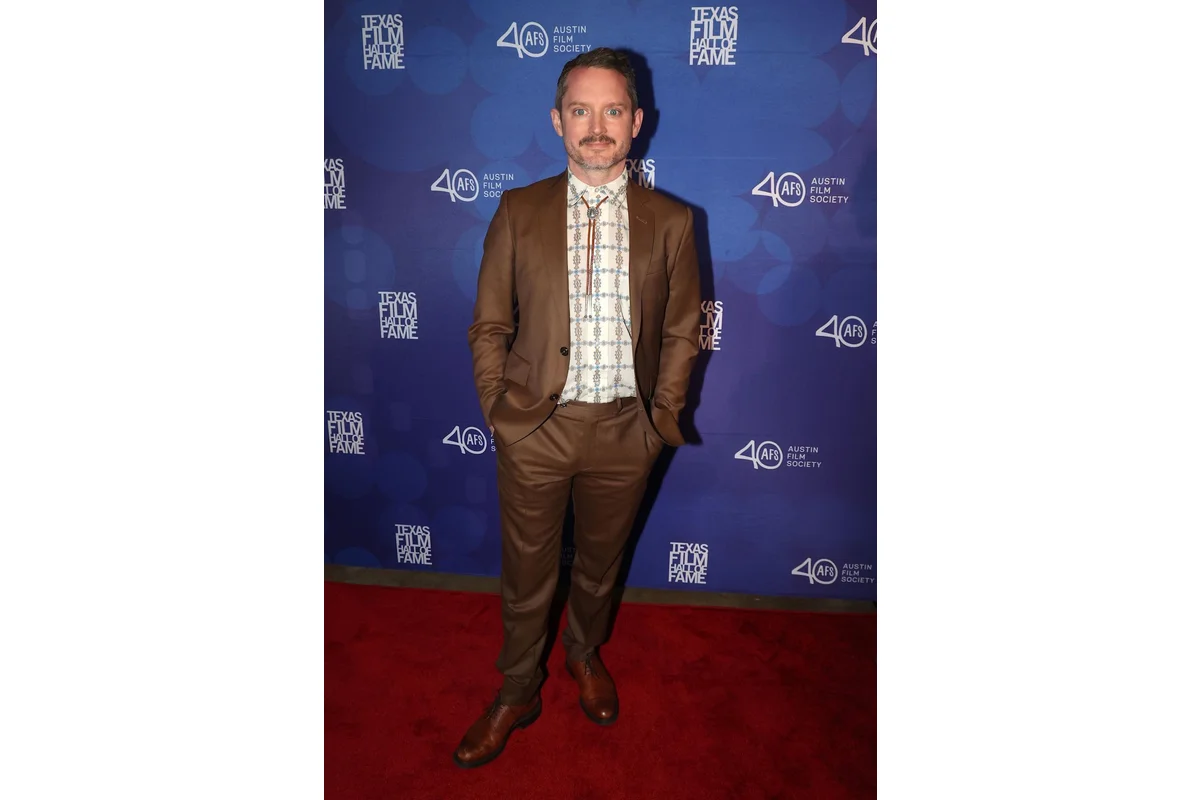
“Elijah Wood Doesn’t Want Anyone Else Playing Frodo While He’s Still Alive”
has surfaced to summarize Wood’s implicit protective attitude toward the character, signaling his reluctance to see Frodo recast if he remains willing and available. Public comments suggest he prefers to reprise the role himself rather than see it rebooted independently from the original cast’s legacy.
Wood’s personal connection shapes his desire for continuity
Wood has consistently framed Frodo as a role close to his heart. At Fan Expo New Orleans, he praised Andy Serkis in his directorial role for The Hunt for Gollum and described the film as
“that core original group getting back together”
to tell a story linked to the earlier films. His expression of being really excited about the project signals a preference for continuity with the Jackson-era Middle-earth rather than an entirely fresh recasting.
Previous statements reinforce this view. In a 2023 interview, Wood welcomed the idea of further films involving Frodo but expressed reservations about a full reboot. This suggests that if Frodo reappears while Wood is active and willing, the role would likely remain with him. Such a stance aligns with many fans’ expectations and reflects a collective sense of stewardship over the character and his legacy.
This sentiment has prompted widespread discussion around the notion that Wood wishes to maintain personal stewardship over Frodo, emphasizing continuity with the original creative team instead of passing the torch prematurely.
Why studios favor keeping Wood in the Frodo role
From a business perspective, Hollywood increasingly values legacy casting as a reliable way to sustain franchise momentum. Retaining original actors helps reduce resistance from audiences, enhances marketing strategies, and builds event-like anticipation. Middle-earth projects especially benefit from this approach since the Jackson trilogy remains the definitive standard for future adaptations.
Wood’s longstanding association with Frodo supports such casting decisions. He first embodied Frodo in The Fellowship of the Ring in 2001 and reprised the role in The Hobbit: An Unexpected Journey in 2012. Should he appear in The Hunt for Gollum, it would extend his connection with the character across more than twenty years on screen.
Additionally, Frodo is one of cinema’s most recognized fantasy heroes, with Wood’s appearance widely identified as inseparable from the character. Recasting Frodo while Wood is available can risk alienating fans unless the storyline involves significantly different timelines or interpretations requiring new casting choices.
The Hunt for Gollum is reported to take place during the timeline of The Fellowship of the Ring, specifically between Bilbo’s 111th birthday and the Fellowship’s arrival at Moria. Because these events overlap with the original films’ chronology, adhering to the same cast enhances narrative continuity. Introducing a different Frodo in this period would complicate coherence with the established story.
Fan perspectives on Frodo’s portrayal and franchise continuity
For viewers, the debate over Frodo’s casting transcends mere actor selection; it touches on emotional ties, franchise memory, and character ownership. The original trilogy has embedded Wood’s Frodo deeply into the cultural imagination, making it difficult for many fans to separate the literary figure from his screen incarnation. While recasting is possible, any change risks comparison to a widely cherished standard.
Several reasons explain fans’ sensitivity to Frodo’s casting:
- Emotional legacy: Wood’s portrayal is tied to the series’ most iconic moments.
- Timeline alignment: The upcoming film shares the same chronological setting as the original trilogy.
- Trust in franchise: Fans prefer original actors when familiar stories are revisited.
- Reboot skepticism: Long-standing audiences increasingly resist recasting in enduring franchises.
Conversely, some argue that Tolkien’s works endure beyond any individual portrayal, making it natural for different actors to take on roles across generations. This ongoing tension between preserving legacy and embracing reinvention reflects challenges common to many major franchises.
Elijah Wood’s enduring relationship with The Lord of the Rings
Wood has described his time with The Lord of the Rings as transformative. In 2025, he explained that the films did not offer long-term financial security because they were shot consecutively before their colossal success was clear, noting
“rest easy for the rest of your life.”
Despite this, he emphasized the enduring personal value the trilogy holds beyond monetary measures.
This deep connection helps explain why Frodo remains a personal role that he treats with great care. The character is part of Wood’s public identity, and his frequent reflections highlight the trilogy’s lasting importance as a life experience rather than just a professional credit.
While Wood has not explicitly declared that no one else should play Frodo, his consistent remarks reveal a strong desire to keep the character tied closely to the original creative team and himself whenever possible. This preference becomes especially relevant if the new live-action projects continue within the established continuity.
Upcoming developments and what lies ahead
The next key event is clarifying casting and production details for The Hunt for Gollum. Ian McKellen stated in August 2025 that filming would begin in May, and TheWrap has reported a release date now set for December 17, 2027. Until Warner Bros. or New Line officially announces the cast, speculation about Wood’s involvement will persist.
If Wood returns, many fans will regard the role as secure, alleviating concerns about recasting. Should he not participate, studios face complex decisions about how to handle Frodo—either reducing his role, bringing in another actor for a brief appearance, or fully recasting a character strongly identified with Wood’s portrayal.
The phrase
“Elijah Wood Doesn’t Want Anyone Else Playing Frodo While He’s Still Alive”
reflects a broader conversation about franchise storytelling in 2026. Audiences now highly value continuity, yet studios must balance this with the need to refresh properties. Middle-earth stands at this intersection of legacy and adaptation.
Related semantic context: related coverage · external reference.
