
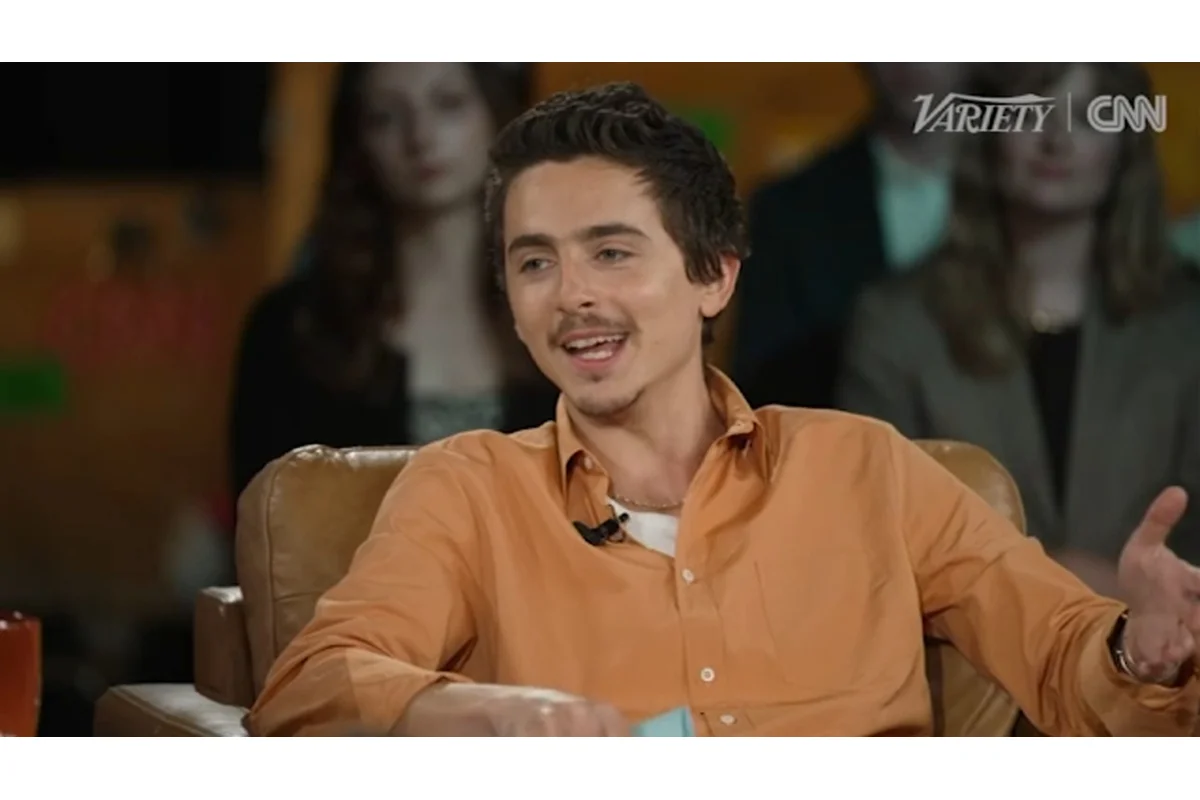
Timothée Chalamet is back in the Oscar race with his third nomination for Best Actor in a Leading Role, this time for his portrayal of a ping-pong player in Marty Supreme. The 30-year-old actor attended the 98th Oscars Nominees Luncheon on February 10 in Beverly Hills, California, as industry insiders and fans assess whether his relentless efforts will finally secure him the award. The focus on Chalamet’s Oscars win comes amid mixed reactions to his public persona and publicity tactics.
Mixed Opinions on Chalamet’s Public Image and Promotional Style
Despite Chalamet’s considerable talent, many observers express discomfort with his on- and off-screen persona. In informal polls among cinephiles, he is often described as “cringe” and accused of seeking excessive attention with a “pick me” attitude. Critics argue that his intense self-promotion, including extravagant stunts and social media antics during award seasons, distracts from his acting craft rather than enhancing it.
For instance, during last year’s campaign for A Complete Unknown, Chalamet engaged influencers, disrupted public events, and even mimicked Bob Dylan on television. His current campaign for Marty Supreme features similarly bold tactics—wearing orange leather outfits, arriving in an orange blimp, and hosting an underground table tennis tournament. Such efforts have provoked skepticism, with some labeling even his romantic relationship with Kylie Jenner as a potential performative act.
Artistic Commitment Draped in Controversy
Despite backlash over his promotional methods, Chalamet’s dedication to his craft is widely recognized. He has rigorously prepared for roles, practicing guitar and ping-pong for years and learning motocross for upcoming projects directed by James Mangold. Critics and fans alike acknowledge his ability to deliver deeply affecting performances, such as the haunting final moments in Call Me By Your Name or the subtle pain in Dune.
His roles have ranged from vulnerable characters in Beautiful Boy and Little Women, to the unsettling figure in Bones and All, to a youthful Evangelical in Don’t Look Up. Even those initially doubtful conceded that he fully embodied Bob Dylan in Mangold’s biopic. This range underscores Chalamet’s place as a versatile actor determined to immerse himself entirely in his roles.
Oscar Competition and Voting Dynamics
Chalamet faces formidable contenders this year, including Leonardo DiCaprio, Ethan Hawke, Michael B. Jordan, and Wagner Moura. The average age of Academy voters is approximately 60, which might influence their reception to Chalamet’s public image and the kind of roles he selects. While movie fans might focus on his “try-hard” reputation, executives and producers appreciate his commitment to promoting his films actively.
His notable gaffe at a February 21 CNN/Variety town hall, where he disparaged ballet and opera by saying
“even though no one cares about this anymore,”
might have caused concern. Still, because the backlash unfolded gradually and Oscar voting concluded on March 5, this incident may not significantly affect the voting outcome.
He quickly attempted to apologize, adding
“all respect to the ballet and opera people out there.”
Megan Fairchild, a principal dancer at New York City Ballet, was among those who publicly criticized him, while the Seattle Opera playfully offered discounts using the promo code Timothee.
Chalamet’s Youth and Historical Precedents for Oscar Winners
When Chalamet earned his third Best Actor nomination, he was still 29, tying a record set by Marlon Brando for youngest nominee with three nods. Now over 30, his chance of winning has increased, though Michael B. Jordan, aged 39, is widely seen as a strong contender. Historically, only one actor, Adrien Brody at almost 30, has won Best Actor before turning 30.
Many celebrated actors such as Brando, Richard Dreyfus, Nicolas Cage, James Stewart, Eddie Redmayne, and Daniel Day-Lewis won their first Oscars in their 30s or later. The trajectory for younger nominees often involves multiple attempts before a win, as seen with Heath Ledger, who lost to Philip Seymour Hoffman at 26, with the latter being 38. This history suggests Chalamet’s prospects may improve with future opportunities as well.
The Relationship Between Appearance and Oscar Success
An interesting pattern emerges regarding leading men known for their good looks, indicating they often secure Best Actor awards later in their careers. Stars like Brad Pitt, Leonardo DiCaprio, Jude Law, John Travolta, and Ryan Gosling generally received first nominations or wins well into their 30s or beyond. This could reflect shifting audience and voter perceptions as actors mature and shed youthful stereotypes.
Chalamet’s role in Marty Supreme might reflect this dynamic; he uses prosthetics to obscure his typically attractive features, wearing smudgy glasses and pockmarked skin to appear less conventionally appealing. This physical transformation aligns him with a tradition of actors who succeeded by dialing down glamour to emphasize depth and vulnerability.
The Debate Over Effort and Public Persona in Acting
Chalamet’s persistent “try-hard” label raises broader questions about how effort is perceived in the entertainment world. While ambition is celebrated in athletes who openly strive for greatness, many critics react negatively toward artists who display similar determination. This may stem from a cultural fatigue with social media noise or a deeper existential unease among younger audiences about sincerity and effort.
Ultimately, the relevant question is whether an actor delivers outstanding performances. Chalamet’s fans and some critics argue that his dedication merits admiration despite the backlash. They suggest the entertainment industry, rather than the online chatter, will ultimately validate his pursuit of greatness.
Looking Ahead: The Impact of Chalamet’s Potential Oscar Win
As the Academy Awards draw near, the outcome for Timothée Chalamet remains uncertain but highly anticipated. Should he secure his first Best Actor Oscar for Marty Supreme, it could transform the narrative around his career, potentially quieting detractors and confirming his status among the greats of his generation. Regardless, his approach to promotion, intense work ethic, and willingness to take risks continue to shape ongoing debates about celebrity, artistry, and the evolving nature of fame in the 21st century.
Related semantic context: related coverage · external reference.
