
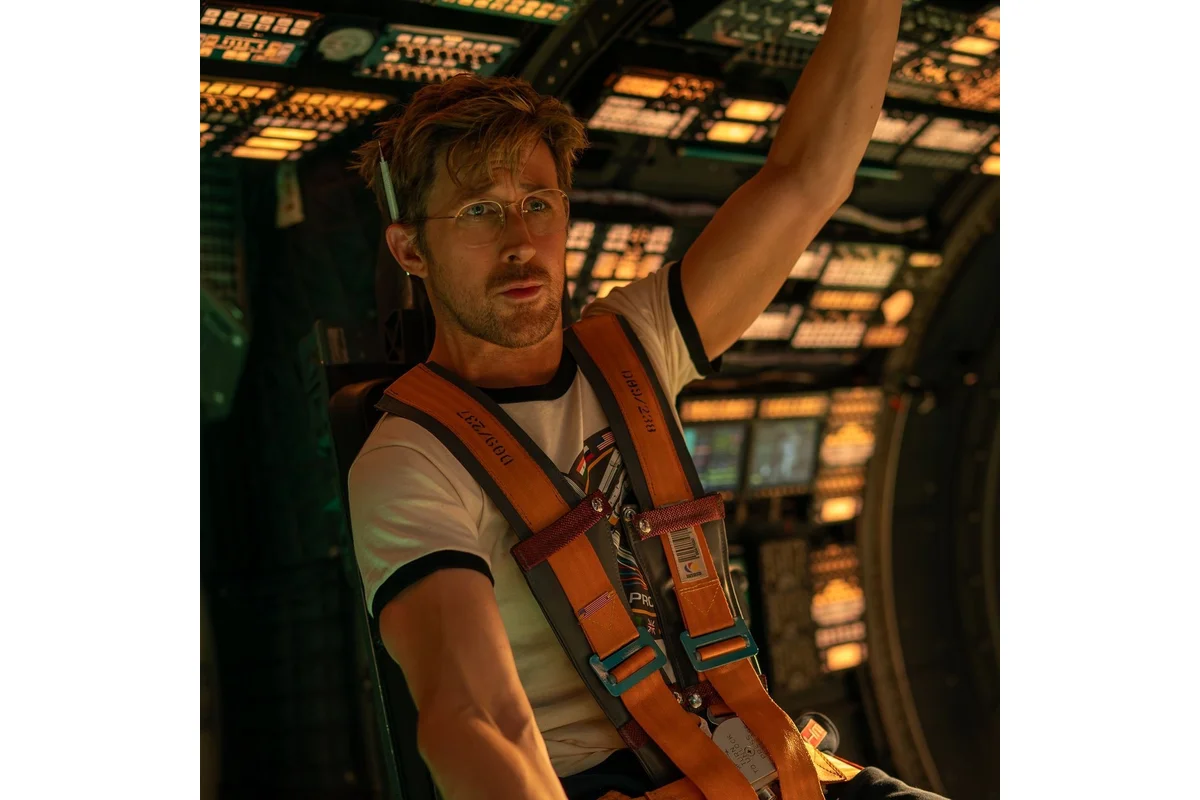
Ryan Gosling stars in the highly anticipated sci-fi film Project Hail Mary, which was released in theaters and IMAX on March 20 by Amazon MGM Studios. The film adapts Andy Weir’s 2021 novel, continuing the author’s tradition of blending hard science with engaging narratives. Known for his distinctive storytelling style, Weir follows in the footsteps of Michael Crichton by creating scientifically rich worlds that captivate wide audiences, though Project Hail Mary faces the challenge of living up to the iconic legacy of adaptations like Jurassic Park.
The central focus of Project Hail Mary revolves around Ryan Gosling’s character, Ryland Grace, a middle school science teacher turned astronaut who wakes up alone on a spaceship in a distant solar system. As the story unfolds, the film reveals the circumstances that brought Ryland on this desperate mission: stopping the sun from dying and saving Earth from an existential crisis.
Filmmaking Collaboration Shapes a Gripping Sci-Fi Adventure
The film benefits from a talented creative team, including screenwriter Drew Goddard, who previously adapted Weir’s The Martian, and directing duo Phil Lord and Chris Miller, known for their inventive approach to pop cinema. Lord and Miller’s first directorial effort in more than a decade brings fresh energy to the project, which had faced a rocky production history due to Disney’s exit from another space-themed film they were developing.
This team’s combined expertise results in a tighter narrative than the novel, focusing primarily on Ryland’s unexpected friendship with a stone-like alien named Rocky. Goddard’s script trims the more sprawling and technical elements of the book, zeroing in on character dynamics and emotional warmth, while Lord and Miller skillfully balance the spectacle of space travel with relatable humanity.
Ryland Grace’s Journey from Earth to the Stars
Ryland’s backstory is presented through flashbacks that gradually disclose his recruitment by government official Eva Stratt, who leads a special task force addressing the sun’s mysterious decline. Eva’s unwavering determination highlights the urgency of humanity’s plight, while Ryland’s unconventional scientific ideas, initially met with skepticism, position him as the planet’s unlikely hope.
Though the use of non-linear storytelling slows the pace at times, it allows the audience to piece together Ryland’s mission alongside his discoveries. However, the film’s real emotional center lies in Ryland’s interactions with Rocky, whose alien form and unique communication methods offer both humor and heart amid the vast loneliness of space.
A Unique Bond at the Heart of the Story
Rocky, portrayed through a combination of puppetry by Neal Scanlan’s team and visual effects enhancements, emerges as a remarkable presence. The creature’s faceless, stone-like appearance and sing-song language contrast sharply with its gentle personality, creating a heartfelt interspecies companionship. The believable chemistry between Gosling and the physical puppet elevates their friendship, making Rocky a memorable cinematic sidekick rarely seen in science fiction films.
This alien partnership transforms the story into more than a survival mission; it becomes a celebration of connection in the face of isolation. While the novel includes extensive scientific explanations, the movie wisely minimizes these for emotional clarity, emphasizing the human (and alien) elements that drive the plot forward.
The Performance of Ryan Gosling Anchors the Film
Ryan Gosling’s portrayal of Ryland Grace is critical to the film’s success. His ability to combine a boyish charm with physical comedy shines during zero-gravity scenes and moments of frustration with his unfamiliar environment. Gosling also capably transitions to scenes of emotional and dramatic weight, grounding his character’s complex journey. His performance invites the audience to believe in Ryland’s resilience and resourcefulness, even when the story requires a suspension of disbelief regarding his brilliance.
While Sandra Hüller contributes a strong presence as Eva Stratt, most human roles serve a supporting function compared to Gosling’s central role and the outstanding visual character of Rocky. The film creates a rare space for a rock-like alien to capture the audience’s affection, largely because of Gosling’s interactions and the filmmakers’ careful craft.
Visual Effects and Production Bring Space to Life
Project Hail Mary benefits from high-caliber visual effects teams, including Industrial Light & Magic and Sony Pictures Imageworks, who deliver immersive representations of Ryland’s spacecraft and deep space environments. The production’s practical sets combine seamlessly with digital effects, enhancing the film’s realism and spectacle. Although the space action sequences may not break new ground, their execution supports the story’s ambitious scale.
Directors Lord and Miller expertly manage the various creative elements, merging technical prowess with emotional storytelling. Their work results in a film that is both a thrilling blockbuster and a thoughtful exploration of scientific discovery and perseverance.
Project Hail Mary’s Place in Contemporary Sci-Fi Cinema
In a cultural landscape often skeptical of science, Project Hail Mary delivers an optimistic message about human ingenuity and the power of collaboration. The film may not reach the status of an enduring sci-fi classic, but it succeeds as an energizing and heartfelt blockbuster. It reminds audiences of the wonder of science fiction and the craftsmanship behind effective storytelling in big-budget cinema.
“I’m happy to report that the Ryland of the film does not spend the whole movie replacing the word fuck with alternatives like fiddlesticks.” ?Reviewer
“It is no exaggeration to say that this movie makes you fall in love with a rock.” ?Reviewer

Related semantic context: related coverage · external reference.
