
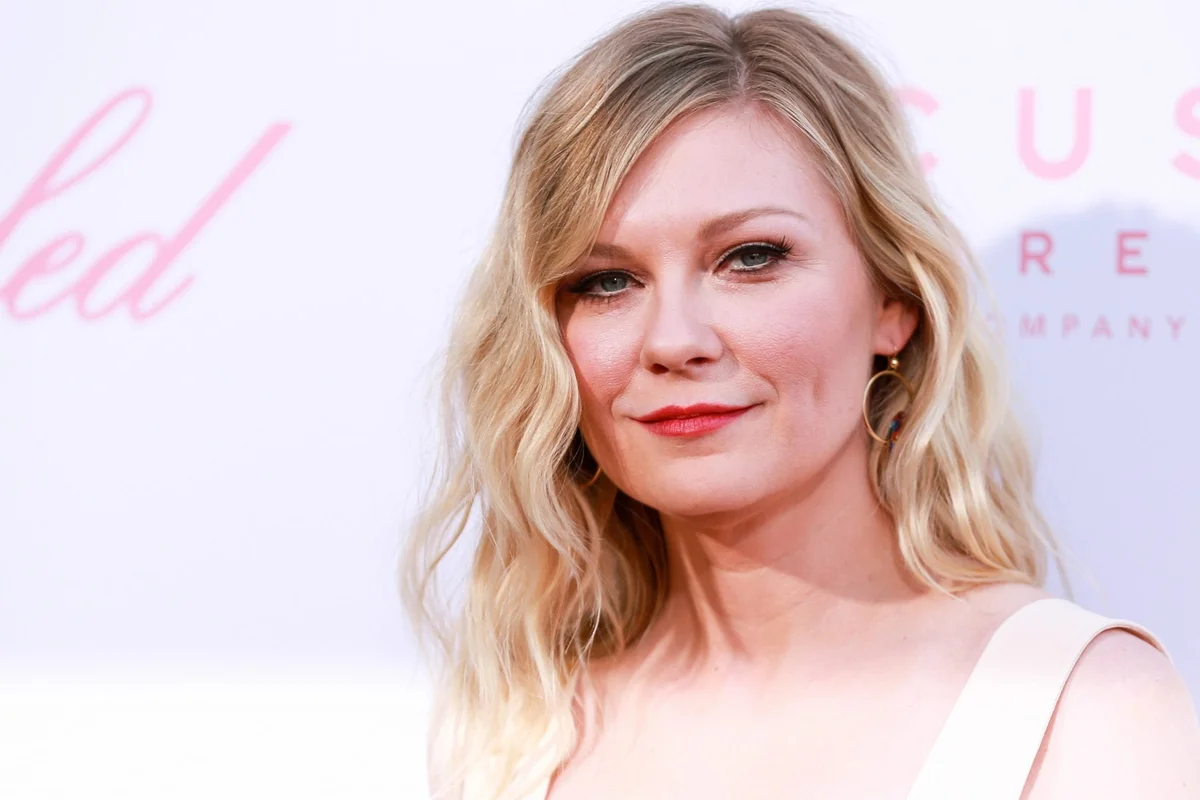
Kirsten Dunst declined the role of Angela Hayes in American Beauty, a choice reflecting her keen awareness of which characters might not age well, despite their initial acclaim. This decision came in 1999, when the film was gaining attention, but Dunst felt the part clashed with her comfort and personal boundaries.
When I read it, I was 15, and I don’t think I was mature enough to understand the script’s material,
Dunst said,
I didn’t want to be kissing Kevin Spacey. Come on! Lying there naked with rose petals?
—Kirsten Dunst
Controversy Surrounding American Beauty’s Oscar Win and Plot
Although American Beauty won the Academy Award for Best Picture, the film’s themes have sparked ongoing debate. It offers a dark satire on the so-called American dream, portraying a nuclear family caught in denial about their true desires and identities. The story centers on Lester Burnham, a bored media executive who fixates on Angela Hayes, his daughter Jane’s friend, sparking unsettling undertones.
The film’s ending, where Lester is killed by his wife Carolyn, exposes themes of self-hatred and loneliness beneath the facade. Audiences in 1999 often misread Lester as a sympathetic protagonist, but later criticism emphasized his flawed, even repellent nature. This discomfort intensified following allegations of misconduct against Kevin Spacey, casting a shadow over the film’s legacy.
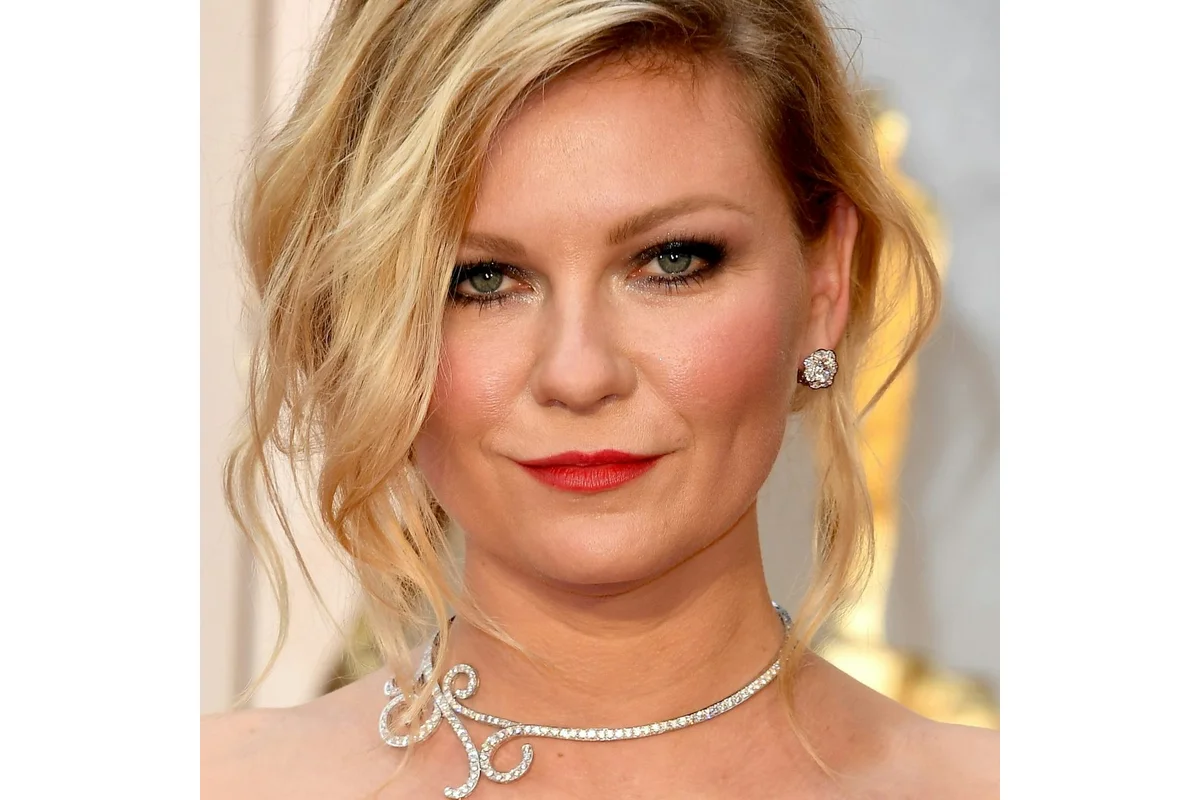
Impact of the Role on Mena Suvari’s Career
Kirsten Dunst’s rejection led to Mena Suvari being cast as Angela Hayes. Despite the film’s success, Suvari struggled to secure significant roles afterward, partly due to the problematic implications tied to her character. Angela’s image, especially the iconic sequence of her covered in rose petals, remains one of the film’s most memorable visuals but also draws criticism for its disturbing elements.
Kirsten Dunst’s Early Success and Career Choices in 1999
By the time she was offered the American Beauty role, Kirsten Dunst had already amassed an impressive filmography, including major parts in Interview with the Vampire, Jumanji, Wag the Dog, and Little Women. Her substantial early success gave her unusual influence for a young actor, allowing her to turn down roles that felt inappropriate.
In 1999, Dunst appeared in several notable films, such as the political satire Dick, the dark comedy Drop Dead Gorgeous, and Sofia Coppola’s groundbreaking directorial debut, The Virgin Suicides. Unlike American Beauty, these films have been praised for their continued cultural relevance and have aged well in the eyes of critics and audiences.
The Lasting Significance of Dunst’s Choice
Kirsten Dunst’s refusal to play Angela Hayes highlights the complexities actors face in choosing roles that align with their values and long-term career goals. Amidst a year famed for strong cinematic releases, including the intense competition American Beauty faced at the Oscars, Dunst’s judgment reflects her awareness of both personal boundaries and the evolving perspectives on films’ cultural impact.
Her decision allowed her to maintain a successful trajectory, avoiding association with a film now viewed as deeply problematic. It also serves as an example of how early career choices can influence an actor’s reputation and opportunities in an industry where controversies persist long after release.
Related semantic context: related coverage · external reference.
