
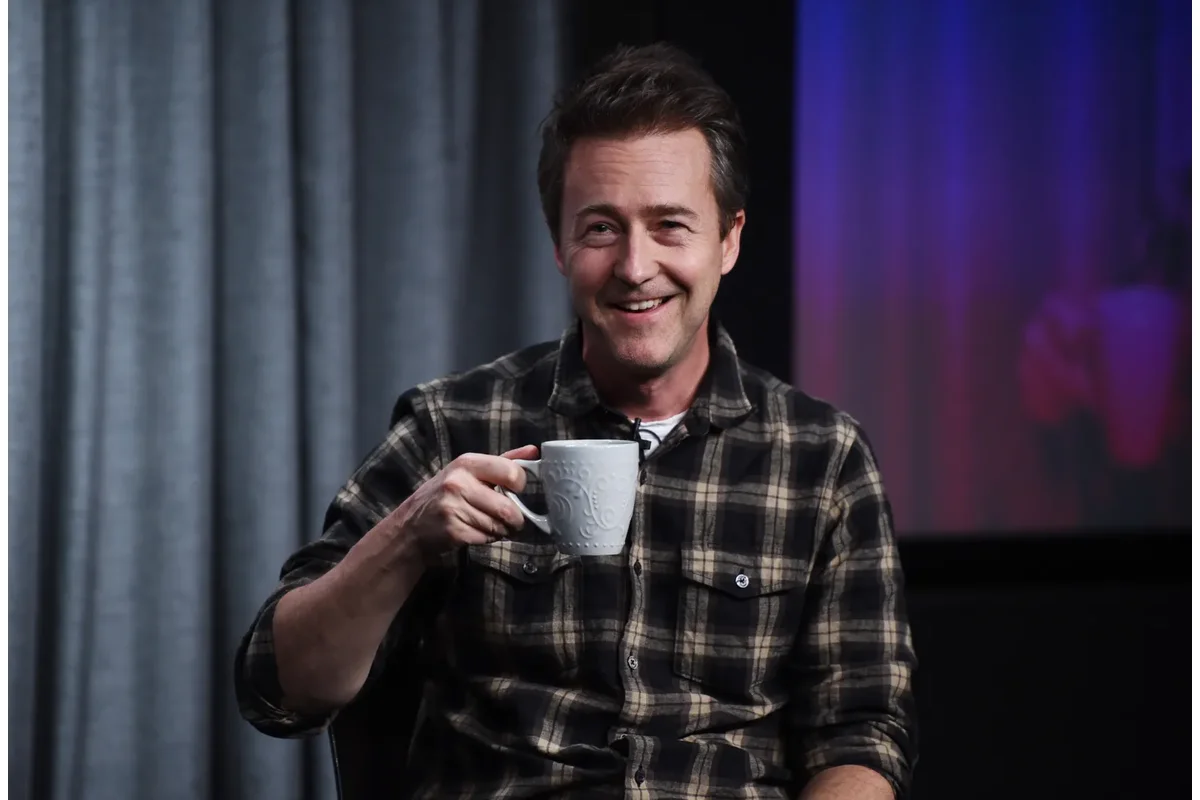
Edward Norton, known for his acclaimed acting career, has expressed his admiration for a lesser-known documentary that he considers a personal favorite. Sharing his thoughts on the Tim Ferriss Podcast, Norton recommended this film for its unique subject and artistic approach, highlighting his passion for documentaries beyond mainstream hits.
Documentaries Can Deliver Unexpected Impact
Documentaries often fly under the radar, much like a simple comfort food you forget about until you experience one that truly captivates you. While some documentaries gain immense popularity through streaming platforms like Netflix—examples include Tiger King, Making a Murderer, and Don’t Fuck With Cats—others achieve success in theaters, drawing large audiences. Among the highest-grossing documentaries ever are Michael Jackson’s This Is It (2009), an exploration of the pop star’s final rehearsals; a 1984 film about the Grand Canyon; and Michael Moore’s political documentary Fahrenheit 9/11. Each of these surpassed $200 million in box office revenues, demonstrating the widespread appeal of the genre.
Recently, powerful documentaries have stood out, such as Netflix’s Cover Up, an investigation into journalist Seymour Hersh’s work, and The Perfect Neighbour, an Oscar-nominated film that recounts a shooting incident primarily through police bodycam footage, delivering an intense narrative experience.

Edward Norton’s Favorite Documentary: A Portrait of a New York Tour Guide
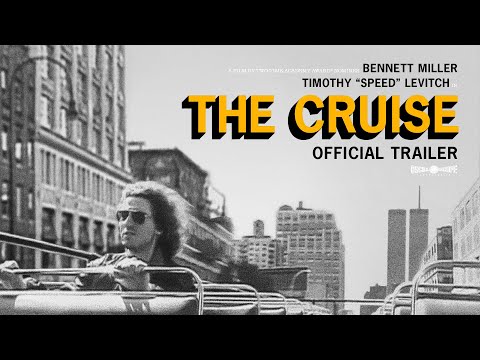
Norton revealed his favorite documentary is Bennett Miller’s 1998 black-and-white film The Cruise. The movie follows Timothy ‘Speed’ Levitch, an unconventional tour guide on a New York City double-decker bus, who lives an eccentric lifestyle as an amateur comedian and poet. Norton described Levitch as a captivating character, emphasizing the film’s unique storytelling style and intimate portrayal.
“I love Bennett Miller’s film, The Cruise. It’s about a guy who’s a tour, he’s a tour guide host on the open double-decker bus. He’s in New York City, he’s a poet” – Edward Norton
“You just have to see it. It’s great. I really like that one.” – Edward Norton
Shot using one of the earliest handheld digital cameras, The Cruise marked an early example of inventive filmmaking that has influenced numerous directors in the early 2000s. Miller, who later directed notable movies such as Moneyball and Capote, captured Levitch’s poetic perspective and quirky personality in a way that continues to resonate with documentary fans and filmmakers alike.
Appreciation for British Documentary Work by Adam Curtis
In addition to expressing enthusiasm for American documentaries, Norton praised the work of Adam Curtis, a prominent British documentary filmmaker known for his thought-provoking and layered narratives. Norton highlighted Curtis’s series The Century of the Self and The Power of Nightmares as “absolutely brilliant,” noting their dense but insightful content.
Curtis gained recognition for his 2016 film Hypernormalisation, a nearly four-hour documentary that presents the idea that powerful corporations have dominated global affairs for decades. The film argues that governments maintain control to protect corporate interests, shaping a manipulated version of reality for the public.
“I really like Adam Curtis’s films, a great British documentarian. He’s got that four-part film called The Century of the Self, and then a three-part one called The Power of Nightmares. I think those are absolutely brilliant films, like dense but really eye-opening.” – Edward Norton
Edward Norton’s Upcoming Projects and Continued Influence
Aside from his appreciation for documentaries, Norton is preparing to release another anticipated film titled The Invite. Directed by Olivia Wilde and co-starring Seth Rogen, the comedy centers on two couples whose dinner party quickly escalates out of control. Early screenings generated significant studio interest, leading to a competitive bidding war won by A24, hinting at the film’s potential success.
Norton’s public endorsement of lesser-known documentaries like The Cruise not only underscores his deep respect for documentary filmmaking but also encourages a wider audience to explore films beyond the typical mainstream offerings. His recommendations highlight the power of documentaries to provoke thought and inspire, reinforcing their growing significance in contemporary cinema and culture.
Related semantic context: related coverage · external reference.
