
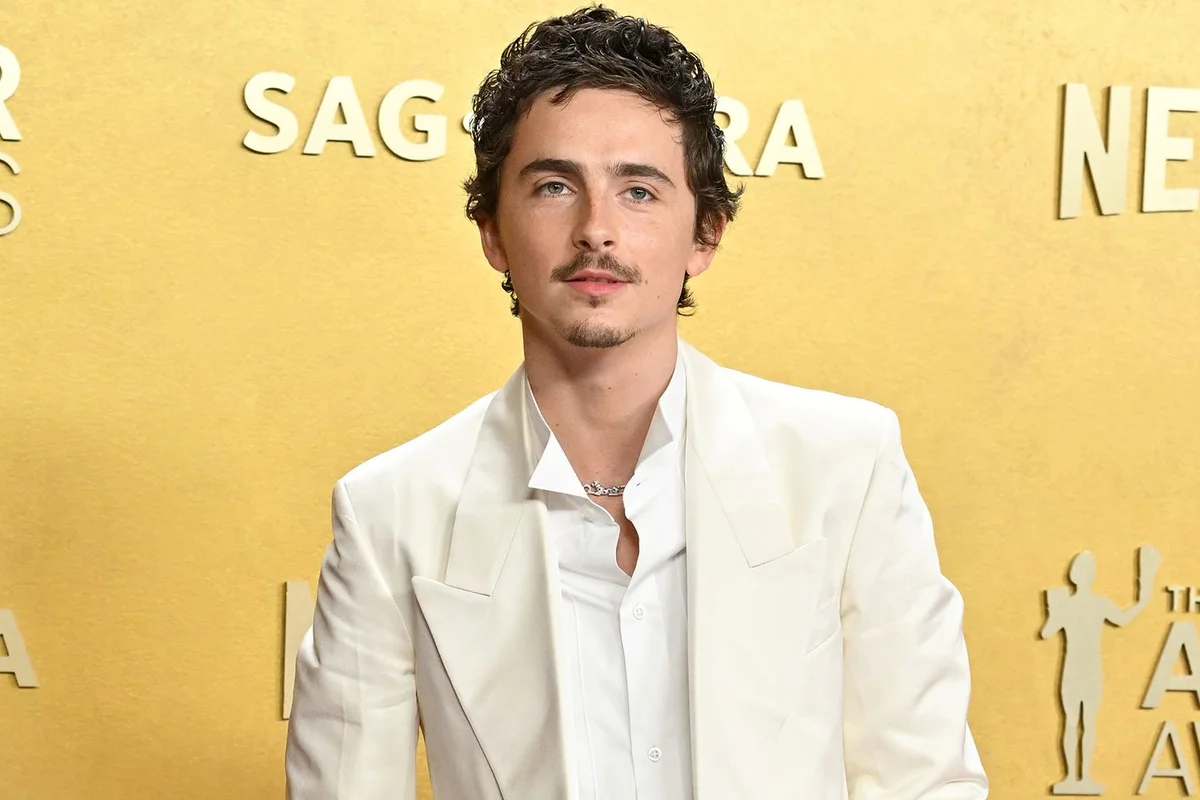
Just days before the 98th Academy Awards, Timothée Chalamet sparked controversy with a remark about ballet and opera, igniting debate across the arts community. Chalamet, nominated for Best Actor in a Leading Role for Marty Supreme, made comments during a CNN/Variety town hall that many viewed as dismissive of certain performing arts, drawing swift reactions from performers and industry figures alike.
Chalamet’s Comments Stir Discontent Within the Arts Community
During an extensive discussion about their craft and the entertainment industry, Timothée Chalamet and Matthew McConaughey spoke on a variety of topics. Toward the end of the session, Chalamet made a remark about the relevance of theaters that unsettled many viewers. He stated:
“I don’t wanna be working in ballet or opera, or, you know, things where it’s like, hey, keep this thing alive.”
He went further, suggesting that when it comes to these performing arts, “No one cares anymore.” While the comment was delivered in a lighthearted manner and followed by laughter from McConaughey and the crowd, it was perceived as dismissive and disrespectful by many within the arts world.
Strong Reactions from Artists and Industry Voices
Several prominent figures quickly responded to Chalamet’s statements. Music and performance artist Doja Cat addressed the actor’s comments in a now-deleted TikTok video, expressing admiration for the discipline and dedication required in ballet and opera:
“There is an etiquette around opera. There is etiquette around ballet. It’s amazing. It’s an amazing theater medium. It’s f***ing beautiful, and people go there every day to the dance studio. Dancers show up at 8am, 6am. They show up, and they break, and they bleed, every single day. Just because they have respect for it.”
Spurred by the backlash, performers from ballet and opera communities shared videos tagged under We Care, emphasizing their passion and devotion to these art forms. Social media buzz highlighted the intense commitment that dancers and opera singers maintain. The Metropolitan Opera also posted an Instagram response showcasing the relentless effort behind their productions and the strong audience attendance they continue to enjoy.
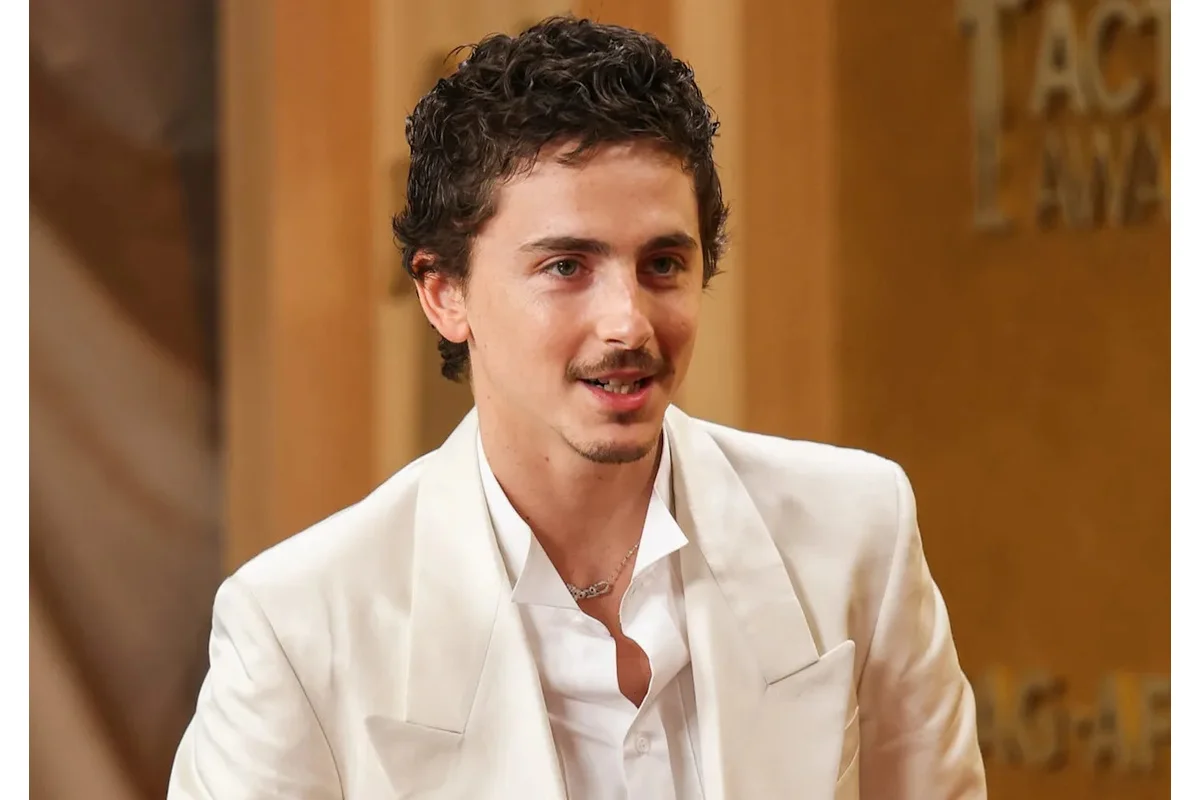
New York City Ballet principal Megan Fairchild and other industry leaders joined many critics, including hosts of The View, condemning Chalamet’s remarks. Observers also pointed out his own background steeped in the performing arts: his mother’s history as a Broadway dancer and dance teacher, and his upbringing in Manhattan Plaza, a federally supported building that houses many artists. Despite these connections, the incident touched a nerve, leading to discomfort within the arts community and widespread discussion about respect for traditional art forms.
Potential Impact on Chalamet’s Oscar Prospects
Following the public reaction, speculation arose about whether Chalamet’s words might jeopardize his chances of winning Best Actor at the upcoming Oscars. The timing proved significant, as the town hall took place on February 24, 2026, but the criticism largely emerged after the March 5 voting deadline had passed.
This timing suggests that the controversy will not influence Academy members’ decisions. In fact, industry insiders and fan speculation had already begun to suggest that Chalamet’s anticipated win was in doubt regardless of the remarks, after he notably lost out at the BAFTAs and SAG Awards for his role in Marty Supreme. Additionally, murmurs of tension between Chalamet and SAG-AFTRA following his SAG speech related to his portrayal of Bob Dylan in A Complete Unknown have added to the narrative of a challenging awards season for the actor.
Ultimately, fans must wait until Oscar Night to confirm whether Chalamet will claim his first Oscar. If he falls short, sources say it will be due to factors apart from his comments on opera and ballet.
Looking Ahead to the 98th Academy Awards
The 98th Academy Awards ceremony is scheduled for March 15, 2026, airing live on ABC and Hulu at 7 PM ET/4 PM PT. The event will be hosted by Chris Rock, Margot Robbie, Ryan Gosling, and Julianne Moore, promising a star-studded evening amidst continuing conversations around art, performance, and industry dynamics.
Related semantic context: related coverage · external reference.
