
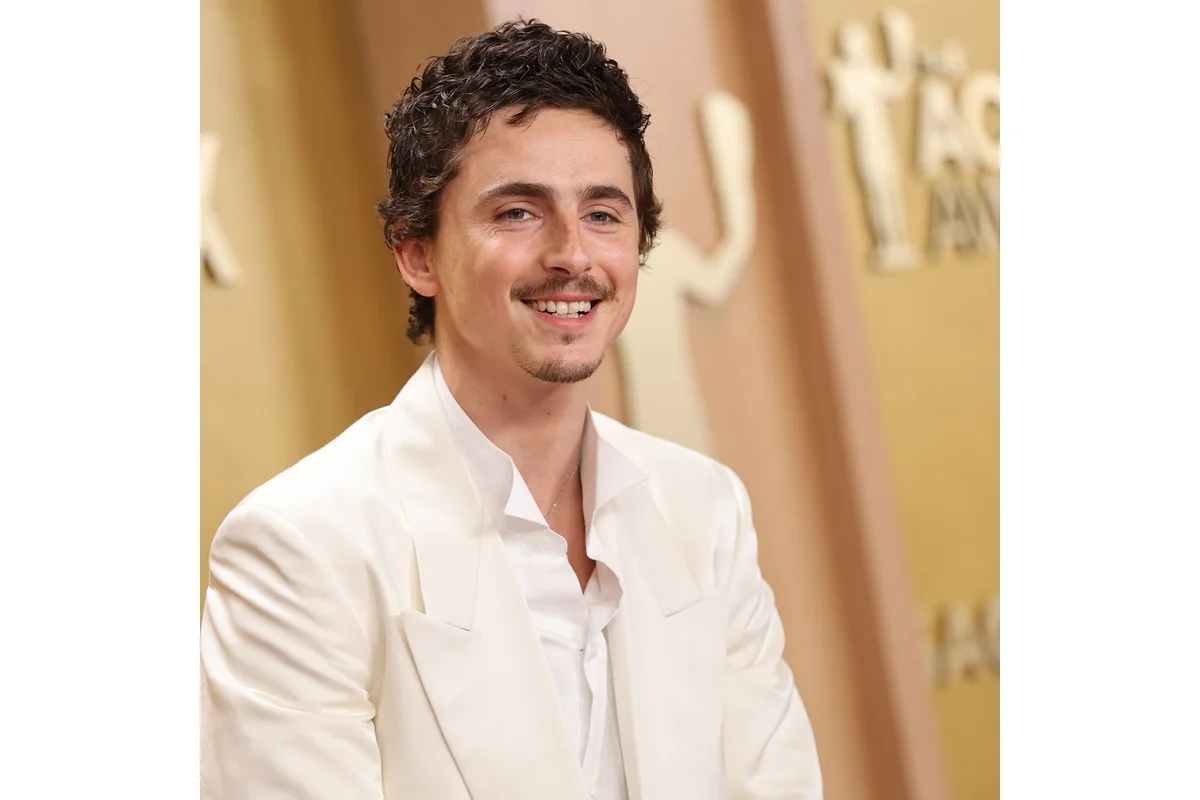
Timothée Chalamet sparked controversy earlier this year with remarks dismissing ballet and opera as art forms that no one cares about, stirring backlash across the arts community and entertainment industry. During a February conversation with Matthew McConaughey at the University of Texas at Austin, the actor expressed disinterest in working in productions like ballet or opera, statements that have since drawn sharp criticism amid his Oscar campaign for the film Marty Supreme.
Backlash from Entertainment Figures Highlights Disapproval
In response to Chalamet’s comments, prominent voices in television and comedy voiced their disappointment, calling his statements disrespectful and dismissive. On the talk show The View, host Sunny Hostin shared her offense, expressing disbelief that Chalamet’s remarks reflected a lack of depth, as reported by Entertainment Weekly. She stated,
Ballet is hard … I’m offended and disappointed in what he said. I didn’t realize he was that vapid and that shallow.
Whoopi Goldberg, also a host on The View, criticized Chalamet’s attempt at an apology, emphasizing that dismissing an art form and then offering a perfunctory “no disrespect” amounts to actual disrespect. Goldberg highlighted the personal connection to dance, warning about the repercussions of belittling such traditions:
“You come from a dance family, so when you crap on somebody else’s art form, it doesn’t feel good. You probably didn’t realize until you said, ‘Oh, I’m in trouble,’ but then you compounded it and said, ’14 cents.’ No, when people get mad, it’ll be a lot more than 14 cents, so be careful. I’m just saying. Be careful, boy.” — Whoopi Goldberg, The View host
She added,
He is a boy to me … No disrespect. Really, don’t apologize when you’ve insulted. It doesn’t sound right. You can’t say, ‘Oh, this is dumb, no disrespect.’ That’s absolute disrespect.
Comedian Patton Oswalt also weighed in during the Motion Picture Sound Editors Golden Reel Awards, using humor to distance himself from ballet and opera in light of Chalamet’s remarks, while acknowledging that the backlash wouldn’t affect Chalamet’s Oscar chances. Oswalt quipped,
Thank God we’re here to celebrate achievement in sound editing and not watching ballet or the opera … Thank God we are actually watching something that deserves to be alive.
He further commented on timing, reassuring,
He said it after they were done voting. He’s fine. He’s safe.
Context Behind the Controversial Remarks
Chalamet’s remarks came as part of a broader discussion with Matthew McConaughey about audience engagement and the nature of different entertainment forms. He expressed admiration for actors who actively promote movies to draw audiences into theaters but conveyed frustration with projects that seem to require coaxing viewers to appreciate them.
Chalamet said,
…another part of me feels like, if people wanna see it, like Barbie, like Oppenheimer, they’re gonna go see it and go outta their way to be loud and proud about it. And I don’t wanna be working in ballet or opera, or things where it’s like, ‘Hey, keep this thing alive. Even though it’s like, no one cares about this anymore. All respect to the ballet and opera people out there … I just took shots for no reason.
He suggested that popular films naturally attract audiences who are enthusiastic and vocal, unlike art forms like ballet or opera that may feel like they need constant advocacy to survive. This viewpoint notably sparked backlash, as many view it as a significant oversimplification that diminishes centuries-old cultural practices.
A Wider Generational and Cultural Divide
The reaction to Chalamet’s comments illustrates a recurring tension between contemporary popular entertainment and classical arts. At 30 years old, Chalamet’s dismissal may reflect a generational gap regarding how art forms like ballet and opera are perceived and valued today. His prominent status as a young, influential actor amplified the criticism, as many artists and fans felt his flippant remarks disrespected the dedication and skill inherent in these disciplines.
This situation echoes past controversies, such as Martin Scorsese’s comments about superhero films, which also divided audiences and industry members. Both cases highlight how statements from leading figures can ignite passionate debates concerning artistic legitimacy within the entertainment landscape.
Potential Impact and Ongoing Repercussions
The Timothée Chalamet ballet controversy underscores how comments on art forms can quickly become focal points in wider cultural conversations. While the backlash has mostly come from peers, commentators, and fans of the classical arts, it also raises questions about how artists engage with different traditions publicly, especially during awards season. Chalamet’s attempt to clarify his comments has not fully quelled the criticism, revealing the challenges celebrities face when discussing art forms deeply rooted in history.
As Chalamet continues his Oscar campaign for Josh Safdie’s film, these remarks might linger in public memory, influencing perceptions of his character and respect for diverse artistic expressions. Meanwhile, defenders of ballet and opera remain vocal, using this moment to reaffirm the value and relevance of these arts in contemporary culture.
Related semantic context: related coverage · external reference.
