
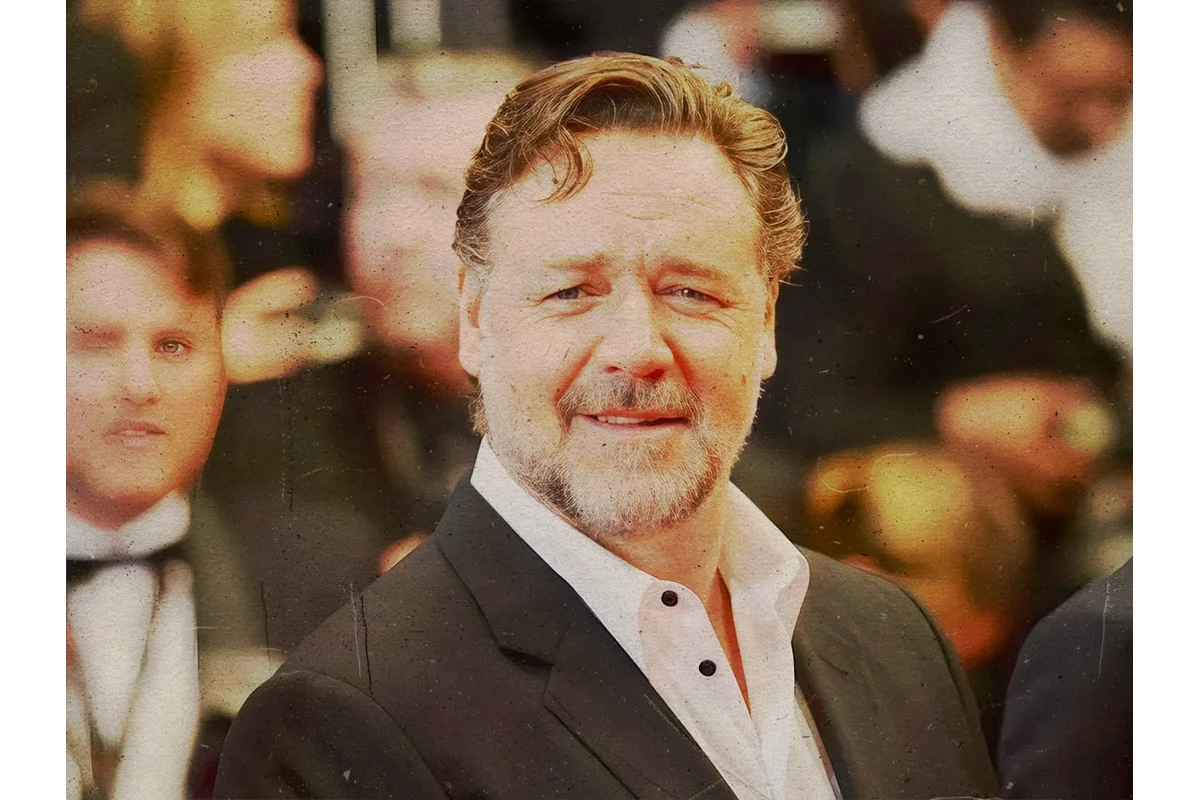
The film “Nuremberg,” opening on March 12 and running for 149 minutes, centers on American army psychiatrist Douglas Kelley (played by Rami Malek), who is tasked with assessing the mental state of 22 high-ranking Nazi prisoners following Germany’s defeat in World War II. Among those he examines is Hermann Goring, portrayed by Russell Crowe, the second most powerful figure in the Nazi hierarchy after Adolf Hitler. Kelley’s mission is to determine if these men are mentally fit to stand trial for war crimes, while also probing a deeper question: how could individuals raised in European civilization commit such brutal atrocities?
Legal Drama Intertwined with Psychological Exploration
“Nuremberg” unfolds as a historical drama that attempts to balance a legal thriller with a psychological investigation of human evil. The narrative often shifts perspectives, showing not only the courtroom tensions but also the broader context of the Nuremberg trials as a carefully staged public spectacle intended to bury Nazi ideology. The film derives part of its story from Jack El-Hai’s 2013 biography, The Nazi And The Psychiatrist, which adds authenticity to the procedural elements focused on the psychiatric evaluations and legal arguments.
One of the film’s strengths lies in depicting the political maneuvering between the American prosecutors and their British allies. The British lawyer Sir David Maxwell Fyfe is portrayed by English actor Richard E. Grant, whose charming performance brings to life the subtle negotiations shaping the first international tribunal for war crimes. These behind-the-scenes interactions underscore the historic importance of the trial, as the lawyers were aware that their work was setting a new precedent in international justice.
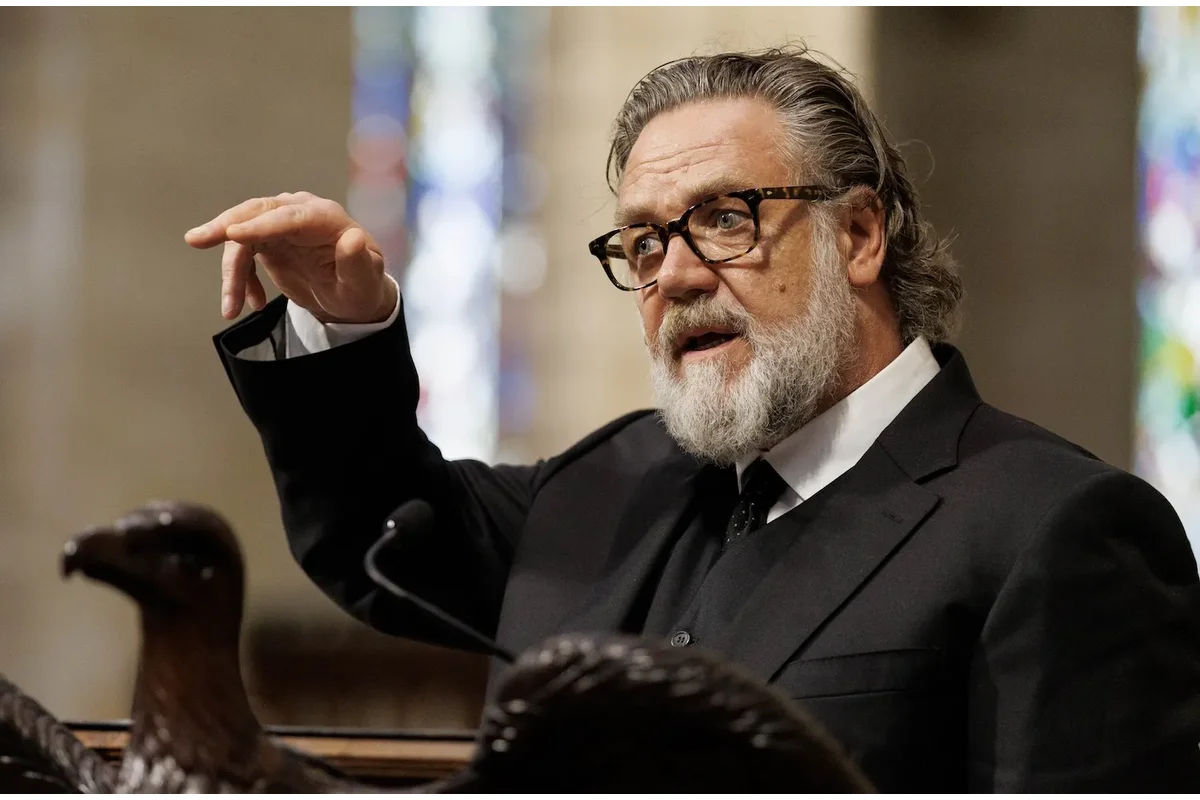
This is the greatest show on earth,
a character remarks, capturing the global media frenzy surrounding the event, as news crews gather from multiple countries to witness the proceedings.
The Foregone Verdict and Its Political Theater
The outcome of the trials was already decided: the Nazi defendants would be found guilty and either executed or imprisoned for long terms. However, much effort was put into framing the trials to appear impartial and judicial rather than an act of revenge. Despite this, the film’s focus sometimes drifts away from the legal intrigue. Director James Vanderbilt chooses to highlight certain emotional moments, such as a tearful revelation involving a supporting character’s family affected by the Holocaust, which attempts to personalize the horror but feels overly sentimental compared to the otherwise serious tone.
Additionally, an awkward romantic subplot appears out of place in the context of the narrative, lacking depth and failing to engage convincingly with the audience.
Portrayal of the Nazis and the Banality of Evil
The interactions between Kelley and the Nazi leaders provide some of the film’s most compelling scenes. These dialogues reveal how the defendants portray themselves as ordinary men with patriotic motivations rather than monsters. Russell Crowe delivers a commanding performance as Hermann Goring, balancing pomposity with a charming demeanor. His character repeatedly emphasizes a line that resonates with contemporary political echoes: the accused are not evil incarnate but individuals acting out of a sense of duty to their homeland.
In one chilling exchange, Goring explains the cult of personality around Hitler:
He made us feel German again. I have seen Germany crushed. Here comes a man who says, ‘We can reclaim our former glory.’ Would you not follow a man like this?
This statement encapsulates the complex appeal Hitler held for many Germans, offering a haunting insight into how desperation and national humiliation facilitated loyalty to a destructive regime.
Balancing Historical Insight with Dramatic Flaws
“Nuremberg” presents a factual and serious portrayal of a critical moment in world history, addressing the challenges of delivering justice after widespread atrocities. The film’s main strength lies in illustrating the legal and political dynamics of the trials, as well as confronting the psychological and moral questions raised by the defendants’ actions. However, its uneven tone and occasional sentimental diversions hinder full emotional engagement, making the overall experience somewhat patchy.
Still, the performances, particularly by Russell Crowe and Rami Malek, anchor the film and bring intensity to its exploration of evil, justice, and accountability. The movie serves as a reminder of the lasting significance of the Nuremberg trials in shaping international law and the global efforts to confront crimes against humanity.

Related semantic context: related coverage · external reference.
