
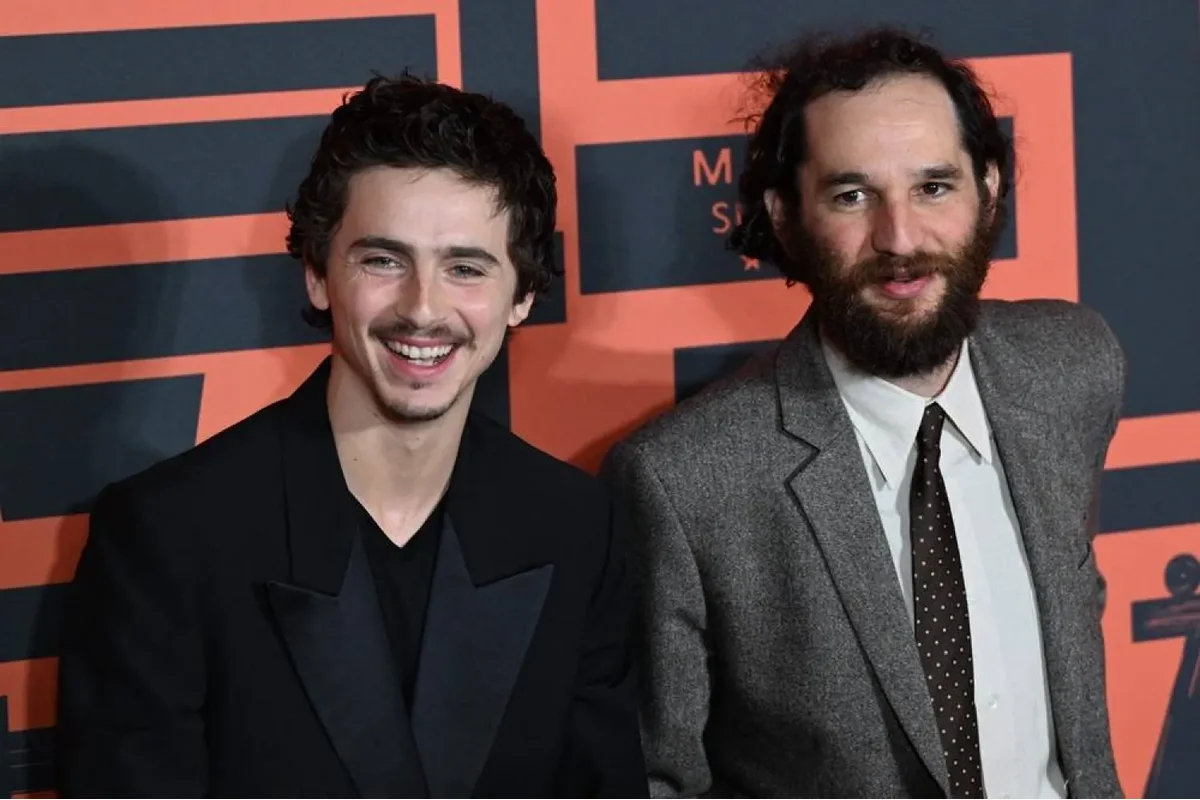
Oscar-nominated actor Timothée Chalamet has sparked widespread controversy after stating that “no one cares” about opera and ballet, remarks that have provoked strong reactions within the arts community. The comments came during a February town hall discussion at the University of Texas at Austin, where Chalamet debated how audience attention spans might influence the future of theatrical films.
Chalamet, who is up for Best Actor this Sunday at the Academy Awards for his role in “Marty Supreme,” expressed skepticism about the viability of classical performing arts genres, contrasting their relevance with blockbuster films like “Barbie” and “Oppenheimer.”
Gustavo Dudamel Responds From Lincoln Center
Renowned conductor Gustavo Dudamel condemned Chalamet’s viewpoint as “ignorant” while unveiling his first season as music director of the New York Philharmonic at Lincoln Center’s David Geffen Hall. Addressing a gathering that included donors, musicians, board members, community leaders, and journalists, Dudamel emphasized the importance of fostering connections with classical music rather than dismissing it.
Sadly sometimes it’s a little bit of ignorance but, look, that is why we have to open more spaces for people to connect with classical music.
Gustavo Dudamel, Conductor
The audience responded with enthusiastic applause as Dudamel highlighted the need for education and engagement, countering the notion that opera and ballet are irrelevant to modern culture.
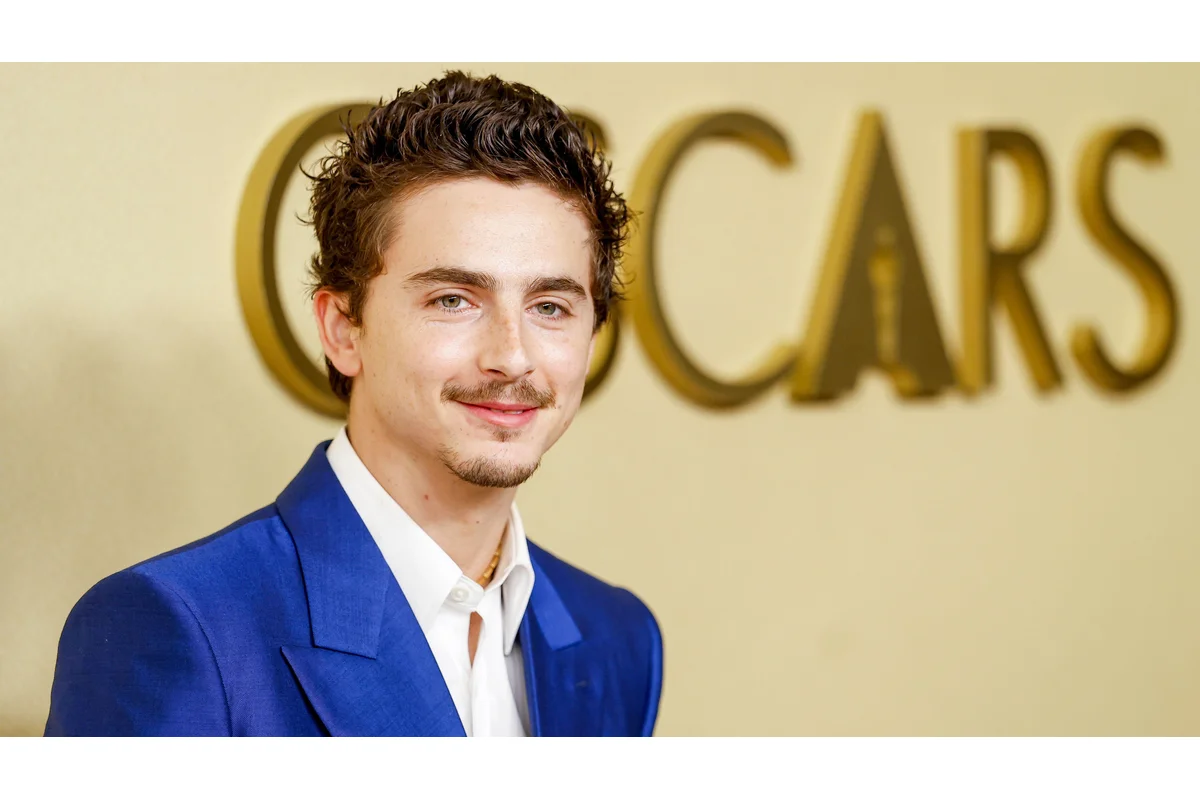
Context Behind Chalamet’s Controversial Remarks
During a conversation with actor Matthew McConaughey, Chalamet reflected on the changing dynamics of entertainment consumption and the survival of various art forms. He acknowledged the dedication of artists promoting cinema but voiced doubt about similar efforts in opera and ballet.
I admire people, and I’ve done it myself, to go on a talk show and go: Hey, we’ve got to keep movie theaters alive. We got to keep this genre alive,
Timothée Chalamet stated.
However, he added:
And another part of me feels like if people want to see it, like Barbie, like Oppenheimer, they’re going to go see it and go out of their way to be loud and proud about it. And I don’t want to be working in ballet or opera or things where it’s like where it’s like, ‘Hey! Keep this thing alive,’ even though no one cares about this anymore. All respect to the ballet and opera people out there. I just lost 14 cents in viewership.
Timothée Chalamet
New York Philharmonic CEO Extends Invitation
Matías Tarnopolsky, CEO of the New York Philharmonic and a colleague sitting alongside Dudamel at the event, publicly invited Chalamet to experience the world of classical music firsthand.
He can sit with me anytime,
Tarnopolsky said.
I’ll give him a free ticket and he’s invited to come and hear the New York Philharmonic.
Dudamel Highlights Opera’s Influence on Modern Cinema
Reflecting on the broader cultural implications, Dudamel stressed that cinema draws heavily from the traditions of opera and music, urging a departure from dismissive attitudes. In a moment of humor, he feigned not recognizing Chalamet’s name, generating laughter among attendees before reinforcing the timeless value of music.
Everybody has the right to say, but you have to do things with knowledge, with facts. I think we have to say to the young generation, the opposite. It’s very funny. Cinema is a result of opera, of music, of all of these kind of things.
Gustavo Dudamel
That way of thinking has to end. Music is reborn all the time and it brings us the values of empathy through the beauty of what it is. So this is the reality of music. This is the real dimension of music and we need that more for our young people.
Gustavo Dudamel
The Changing Role of Gustavo Dudamel
Dudamel, 45, will conclude his 17-season tenure with the Los Angeles Philharmonic this summer before assuming his new leadership role at the New York Philharmonic. His remarks at Lincoln Center underscore his commitment to expanding classical music’s reach and relevance amid evolving cultural landscapes.
Implications for Opera and Classical Music’s Future
The clash between Chalamet’s blunt dismissal and Dudamel’s passionate defense highlights a broader tension within the arts regarding modern audiences’ engagement. Dudamel’s call to open new avenues for appreciation points toward initiatives aimed at reinvigorating interest in opera and ballet among younger generations.
As Chalamet attends the upcoming Academy Awards, the discussion surrounding the cultural value of these art forms remains a poignant reminder of the ongoing debate about preserving tradition versus adapting to contemporary tastes.
Related semantic context: related coverage · external reference.
