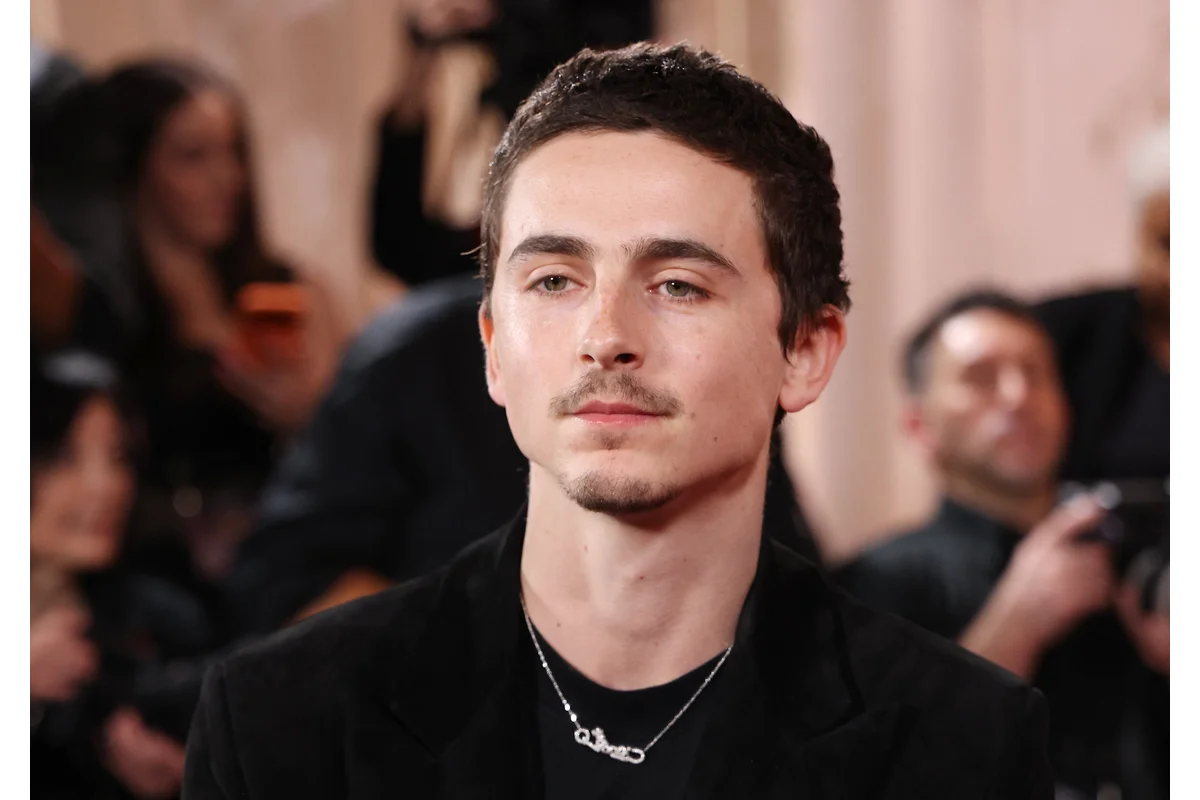
The announcement of the Oscar nominations is scheduled for Thursday, with Timothée Chalamet emerging as a leading contender for Best Actor due to his role in Marty Supreme. Months of a focused campaign have targeted both industry insiders and the general audience in anticipation of the awards, positioning Chalamet prominently in the race.
Chalamet’s Best Actor campaign has been notable not only for its intensity but also for its strategic engagement with various cultural sectors, particularly youth and Black culture. His efforts underscore a blend of artistic dedication and savvy promotion aimed at expanding his appeal beyond traditional award voters.
From Box-Office Star to Cultural Connector
As the launch of Marty Supreme approached around Christmas, Chalamet actively spotlighted his craft and personality, engaging with diverse fanbases outside typical Hollywood circles. He described his performances as top-tier, stating,
“It’s been like seven, eight years that I’ve been handing in really, really committed top-of-the-line performances”
—Timothée Chalamet, Actor.
He broadened his reach by collaborating with comedian and influencer Druski, lending a guest verse to the UK rapper EsDeeKid’s track 4 Raws, and adopting a public persona intertwining millennial interests molded through Black culture. This included references to sports, slang, and style that resonate with younger, online demographics, helping Marty Supreme become A24’s highest-grossing film to date.
Appearance and Attitude Reflecting New Priorities
Recently, Chalamet has shifted toward a subtler presence as awards season nears its climax. At the Golden Globes, he wore black Timberland boots—a symbol of unpolished New York toughness often associated with working-class culture and hip-hop lyrics—which contrasted sharply with the more exuberant promotional behavior he exhibited earlier.
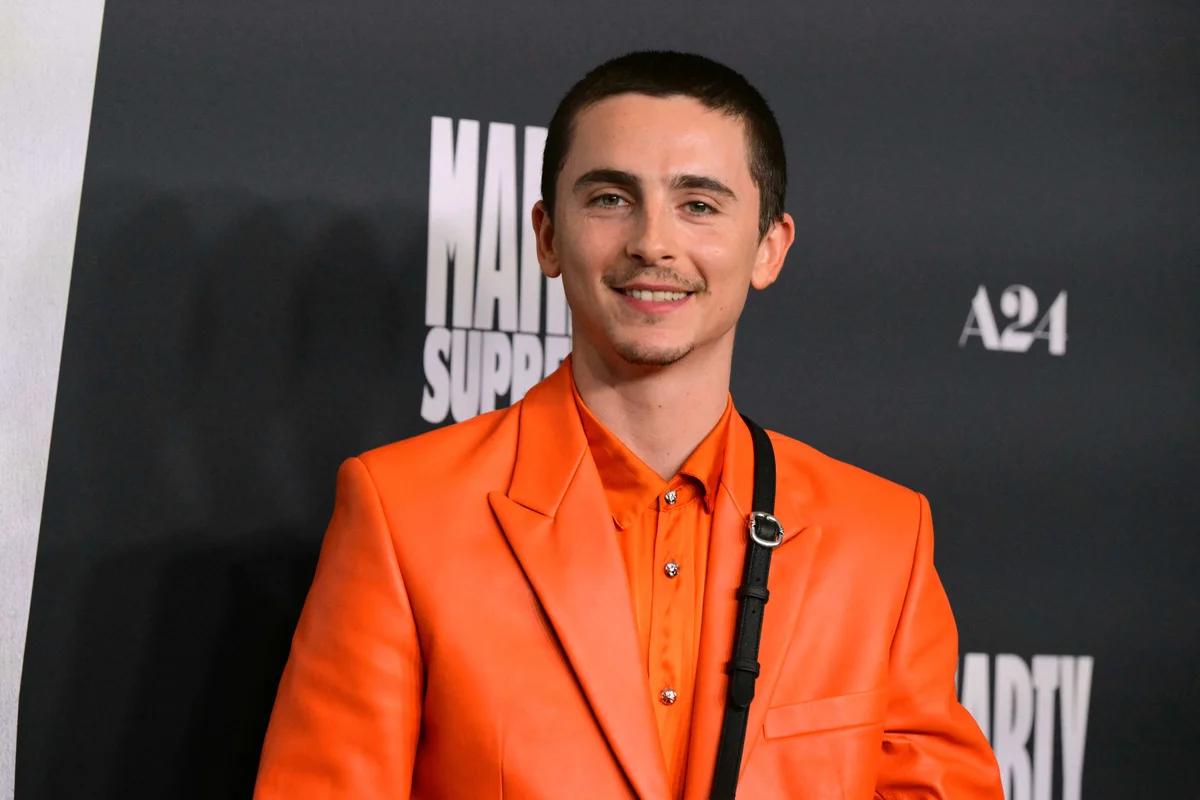
His acceptance speech at the Globes avoided flamboyance, instead offering humble congratulations to fellow nominees and expressing gratitude toward his partner, Kylie Jenner. This change suggests a deliberate movement away from the exaggerated promotion that placed him within internet memes centered on the term wigga—a label applied to white individuals adopting facets of Black urban culture in an overly familiar, sometimes problematic way.
The cultural tension around this persona has roots in narratives like the 1999 film Whiteboyz, which depicted young white men mimicking the roughness of inner-city Black life gleaned from gangsta rap and videos, often leading to destructive consequences. Such portrayals highlight the fine line between admiration, appropriation, and caricature—a line Chalamet appears intent on recalibrating.
Strategic Engagement with Hip-Hop and Urban Culture
Chalamet’s connection to hip-hop and Black culture has deepened over recent years. As a teenager, he was “knighted” by rapper Lil B the Based God at an NYU event, signaling early recognition within hip-hop circles. His work with EsDeeKid not only dispelled rumors that the Liverpool artist was his alter ego but also demonstrated his understanding of contemporary rap styles without fully immersing himself in complex lyrical wordplay.
The marketing around Marty Supreme also reflects this intersection with urban culture. Chalamet promoted the film’s vintage warm-up jacket—a piece of Starter-era NBA nostalgia worn by athletes like Karl-Anthony Towns and musicians like Frank Ocean—that now commands high prices among collectors. This branding links Chalamet to a specific cultural moment, appealing to both sports enthusiasts and hip-hop fans.
Authentic Collaborations and Avoided Pitfalls
In December, Chalamet partnered with Druski as a guest judge for auditions at Coulda Been Records, a label that Druski helps promote within social media circuits of young Black viewers. This collaboration marked a different approach from other celebrity forays into hip-hop culture—such as Justin Bieber’s criticized attempts to blend Black and queer slang—showing Chalamet’s greater self-awareness and respect for the community’s nuances.
During the Coulda Been Records event, Chalamet shared that he is 2 percent Jamaican, engaging with authenticity rather than caricature. Druski’s comedic roasts targeted Brooklyn eccentricities rather than outsiders, and Chalamet participated with ease, gaining exposure to the realities of life in East New York marked by infrastructural challenges.
Following this, Chalamet appeared on Carmelo Anthony and Kid Mero’s podcast, reflecting on growing up in Hell’s Kitchen and his decision to avoid Brownsville, a predominantly Black neighborhood. He emphasized his desire to step outside typical celebrity press activities to absorb different cultural experiences. He also candidly stated,
“I wanna be respectful and all the shit you’re supposed to say blah, blah, blah, but really I’m just a fan. You know, I’m a fan of Black culture and hip-hop and all of it.”
—Timothée Chalamet, Actor.
This acknowledgment frames him as an admirer rather than an appropriator, one who has become more cautious with the responsibilities fame imposes:
“When you’re growing up, you’re not thinking, Oh, is this appropriate … In a position of celebrity, you gotta watch your step.”
—Timothée Chalamet, Actor.
Balancing Artistic Identity with Hip-Hop Influence
Chalamet’s portrayal of Marty Reisman—a real-life Ashkenazi table tennis champion from Manhattan—already spoke to a New York quintessential mix of characters, from eccentric intellectuals to streetwise figures. His shift to a more tempered public image, as seen in his Globes speech absent of Black cultural references, illustrates his awareness of tapping different audiences with tailored messages.
Just after the Golden Globes, Chalamet participated in a Q&A led by Robert Downey Jr., where he openly discussed adopting a tone of gratitude and respect over prior theatricality. This transition reflects the different expectations between the internet-savvy younger crowd—who appreciated his embeddedness in hip-hop rituals and winks—and the more traditional award voters who value humility and seriousness.
Once leaning heavily into a playful “white boy of the year” persona, labeled during a Minnesota Timberwolves event, Chalamet’s recent comportment suggests a step back from transactional hype toward a calm focus on craft and earnestness. His authentic embrace of hip-hop culture remains clear, yet by retreating from overt mimicry, he illustrates the privileges of navigating and selecting cultural touchpoints that are not always accessible to those from the original communities.
The Road Ahead for Chalamet’s Award Campaign
As the Academy Awards approach, Timothée Chalamet’s campaign reflects a complex interplay between genuine cultural fandom, strategic self-presentation, and artistic integrity. His journey—from a young actor fully enmeshed in multiple cultural currents to a measured figure seeking reverence—foreshadows a critical moment in his career where he aims to be taken seriously not only by fans but by Hollywood’s most discerning critics.
How this balance affects his chances in the Best Actor category remains to be seen, but Chalamet’s evolution illustrates the nuanced realities of cultural influence and celebrity in contemporary awards seasons. His role in Marty Supreme positions him as both a star of mainstream cinema and a symbol of cultural cross-pollination in an industry increasingly attentive to diversity and authenticity.