
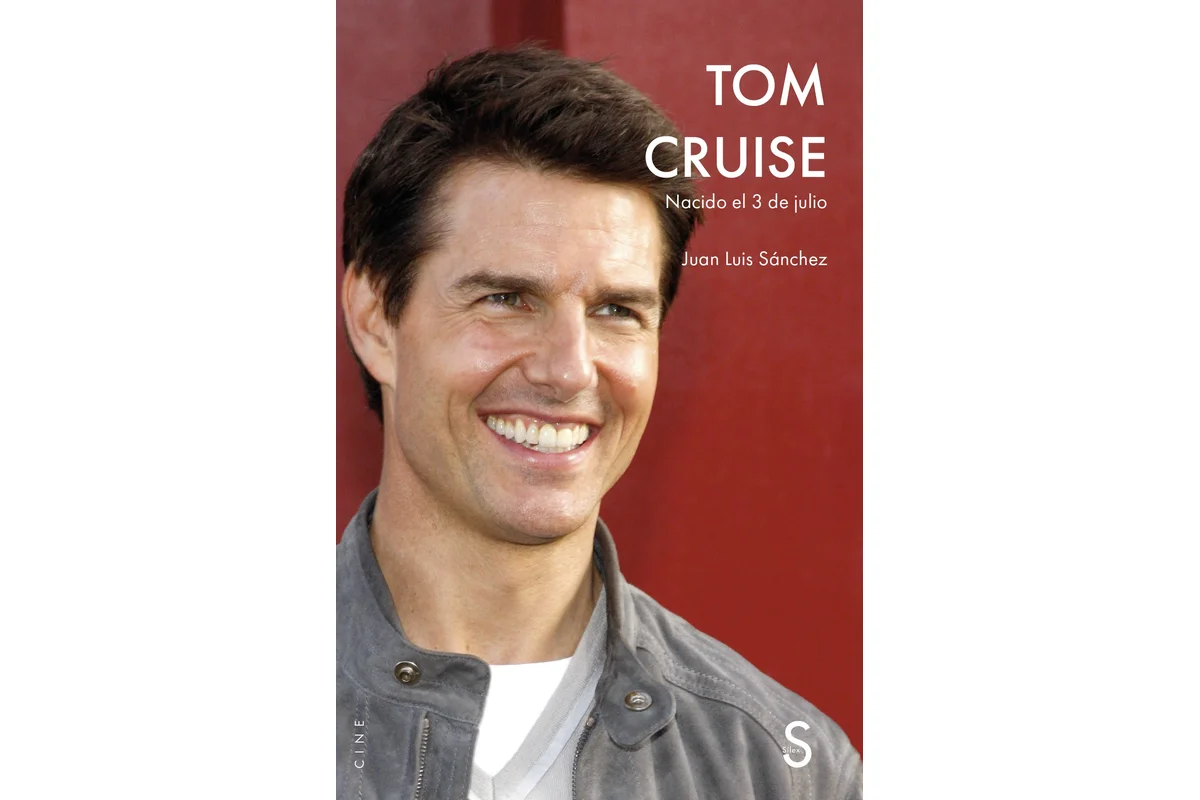
Tom Cruise has been known since the 1980s for his commitment to performing his own daring stunts, which has become a hallmark of his films such as Top Gun, Mission: Impossible, and The Last Samurai. This dedication to stunt authenticity pushes boundaries on screen, but it also creates tension for fellow actors, as Ethan Hawke recently expressed during the Sundance Film Festival. Hawke shed light on the differing views around the pressure to perform stunts genuinely, highlighting how Tom Cruise’s approach reshapes expectations in Hollywood.
Ethan Hawke Discusses Challenges of Stunt Realism Versus Practicality
Ethan Hawke, attending Sundance to promote his new film The Weight alongside Russell Crowe, reflected on his own experience executing physical scenes that required fighting, driving, and breath control. Hawke, who portrays widower Samuel Murphy in the film set in an Oregon work camp, contrasted his more restrained stunt work with Cruise’s intense approach, which at times makes others feel inadequate. He expressed frustration about the industry’s evolving attitude toward stunt performance.
“Tom Cruise has totally changed what’s expected for actors. Some part of me is getting angry over the years because everyone somehow feels like they’re less if they use a stunt team. What I liked about our movie is there were no ridiculous stunts. It’s human. It’s not about things blowing up, so most of the stunts were things we could do. They weren’t superhero things.”
– Ethan Hawke, Actor
The director of The Weight, Padraic McKinley, added that Hawke’s dedication nearly resulted in a serious injury during one challenging scene, describing how the actor
“almost tore his hamstring off the bone.”
Despite this, Hawke recognizes the benefits of relying on specialists for more extreme or explosive stunts, underscoring a more grounded approach to action in storytelling.
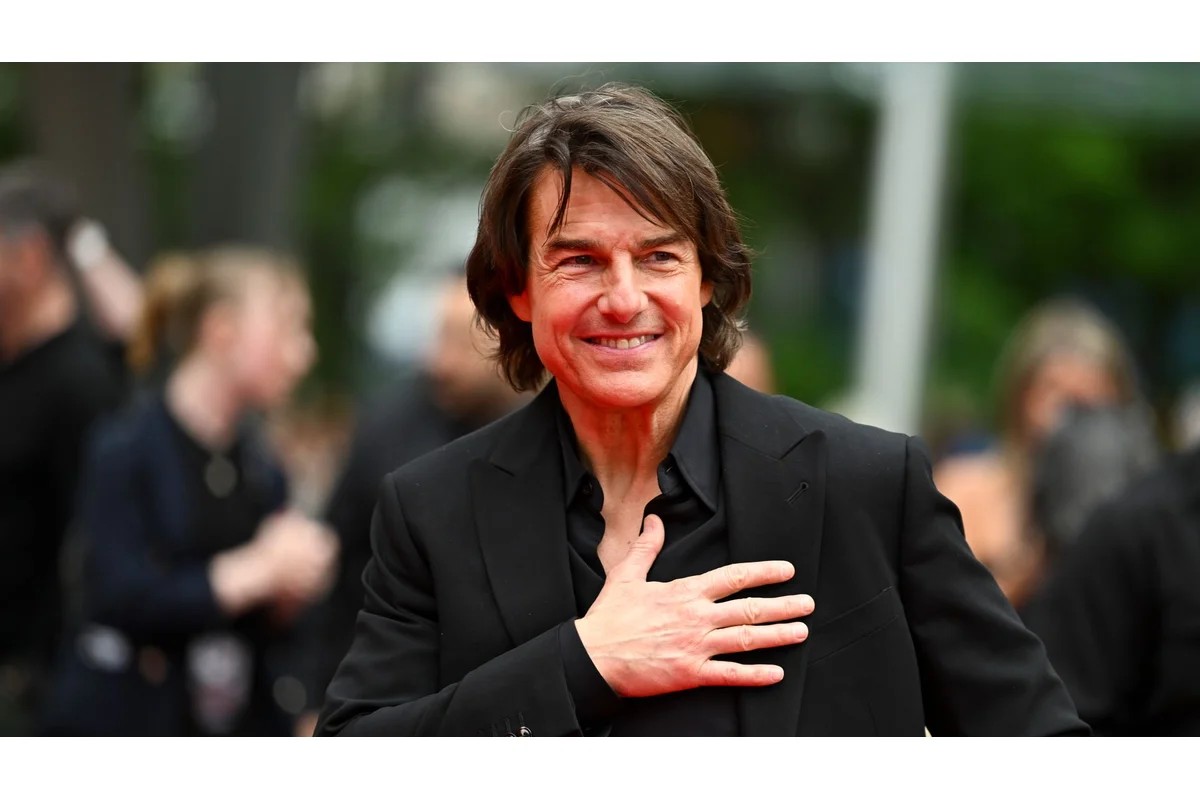
Understanding Tom Cruise’s Method Behind Extreme Stunts
Tom Cruise’s reputation for death-defying stunts is supported by detailed preparation and close collaboration with experienced stunt teams. Wade Eastwood, Cruise’s longtime stunt coordinator who worked with him on Mission: Impossible – The Final Reckoning, shared insights into Cruise’s disciplined regimen designed to safeguard his body while delivering impressive physical feats. The final installment of the Ethan Hunt saga earned more than $571 million worldwide and demonstrated Cruise’s unparalleled commitment to stunt authenticity.
Eastwood explained how Cruise develops a training program separate from typical workouts, tailoring it to the physical demands of the stunts. This regimen enables Cruise to perform complex actions safely and efficiently, reducing fatigue and injury risks on set.
“He knows what his body’s going to go through and endure and how he’s moving,”
– Wade Eastwood, Stunt Coordinator
“When we do the speed fly sequence, he designed a system that could get his core engaged, working with his arms up, so he’s not fatiguing or having injury, because if Tom has an injury then we have to stop shooting. So he’s 100% in control of that and he’s got a great team on the physical side, on the diet side.”
– Wade Eastwood, Stunt Coordinator
“My job is on the stunt side, like learning the fights, choreography, the movement for the fights, I’ll get with his trainer, and say, ‘These are the sorts of movements Tom will be doing.’ And then they know which muscle groups to work on to make sure that we prevent injury.”
– Wade Eastwood, Stunt Coordinator
This meticulous coordination between Cruise, his trainer, and stunt team not only maximizes his performance but also protects the production schedule by minimizing downtime caused by injury. Such dedication to practical stunt work defines Cruise’s unique style and raises the bar for actors who might otherwise rely more heavily on stunt doubles.
Profiles of Key Figures and The Weight’s Ensemble
The Weight features a compelling cast alongside Ethan Hawke. Russell Crowe plays Warden Clancy, adding depth to this intense drama about loss and survival. The film’s supporting roles include Julia Jones and Austin Amelio as Rankin, contributing to the human drama with performances grounded in raw realism, fitting the movie’s grounded stunt approach that Hawke praised.
Produced and directed by Padraic McKinley, The Weight centers on themes of human endurance and strained familial relationships, set against the backdrop of an Oregon work camp. The film contrasts sharply with the fantastical stunts of blockbuster franchises, focusing instead on the physical and emotional struggles of its characters.
Implications for Hollywood’s View on Stunts and Actor Safety
The conversation around stunt authenticity in Hollywood has grown more intense as stars like Tom Cruise redefine what audiences expect from physical performances. Ethan Hawke’s remarks highlight a broader tension between pursuing realism and recognizing the practical limitations and risks for actors. Hawke’s stance suggests a hope for balance—valuing authentic physical acting while avoiding unnecessary danger.
Cruise’s proactive preparation with his stunt team, including specialized workouts and injury prevention strategies, illustrates a model of how actors can safely push stunt boundaries. This approach may influence how stunt choreography and training evolve in future productions, potentially encouraging productions to develop personalized regimens for performers engaged in demanding sequences.
As Ethan Hunt’s run concludes and films like The Weight emerge with grounded physicality, the industry’s perspective on stunt work may continue to shift. Cruise’s unique commitment serves as both inspiration and a challenge, prompting actors and filmmakers to reimagine the limits of authenticity balanced with safety.
