
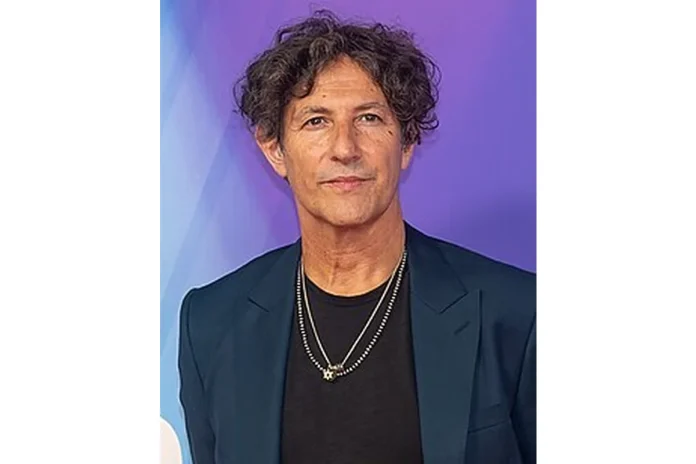
Jonathan Glazer Bio
Jonathan Glazer (born 26 March 1965) is an English filmmaker and screenwriter known for his distinctive approach to cinema, directing feature films that explore themes of alienation, loneliness, and the darker aspects of human nature. His acclaimed filmography includes Sexy Beast (2000), Birth (2004), Under the Skin (2013), and The Zone of Interest (2023). Based in Camden, North London, Glazer has built a reputation for his bold visual style and compelling portrayals of flawed characters, earning him international recognition including a BAFTA Award, a César Award, and two Academy Award nominations.
Early Life and Background
Jonathan Glazer was born on 26 March 1965 in London, England, to a family of Ashkenazi Jewish descent. His ancestors were Ukrainian Jews and Bessarabian Jews who fled the Kishinev pogrom and arrived in the United Kingdom in the early 1900s. His great-grandparents were born in Vilnius and Odesa, with one working as a tailor and his wife as a seamstress. The family settled in Hadley Wood, near Barnet, and maintained Reform Jewish traditions, attending synagogue on holidays and sharing Friday-night dinners.
Glazer’s father was a cinephile who introduced him to classic cinema, including films by David Lean, Sidney Lumet, Sydney Pollack, and Billy Wilder. As a child, Glazer was surrounded by what he described as “incredible entertainers”—vaudeville musicians, writers, and other creative figures who visited his family home. He attended the Jewish Free School in Camden and participated in the Givat Washington programme, spending five months at a religious boarding school in Israel during his youth.
After completing high school, Glazer pursued art school, noting that drawing was the only skill he excelled at. He graduated from Nottingham Trent University with a degree in theatre design, which would later inform his cinematic visual approach.
Path to Filmmaking
Following his graduation from Nottingham Trent University, Glazer began his career directing theatre productions and creating film and television trailers. In 1993, he wrote and directed three short films titled “Mad,” “Pool,” and “Commission,” and joined Academy Commercials, a production company based in Central London. This period marked his transition from theatre into commercial and music video direction.
Glazer’s work in advertising quickly gained attention. He directed notable campaigns for Guinness, including the acclaimed “Dreamer,” “Swimblack,” and “Surfer” advertisements. His 1999 Guinness “Surfer” advertisement was voted the best of all time in a poll conducted by Channel 4 and The Sunday Times. He also created commercials for Stella Artois, Kodak, Sony, Nike, Barclays, and Alexander McQueen.
Jonathan Glazer Career
Early Career (1993–1999)
During the mid-to-late 1990s, Jonathan Glazer established himself as a prominent music video director, working with leading artists including Blur, Massive Attack, Radiohead, Richard Ashcroft, and Jamiroquai. In 1995, he directed the music videos for “Karmacoma” by Massive Attack and “The Universal” by Blur. He collaborated extensively with Radiohead on their videos for “Street Spirit” (1996) and “Karma Police” (1997), describing “Street Spirit” as a turning point in his career.
Glazer received the MTV Video Music Award for Best Direction in 1997 for his work on Jamiroquai’s “Virtual Insanity” and Radiohead’s “Karma Police.” He considered his video for Unkle and Thom Yorke’s “Rabbit in Your Headlights” (1998) a more successful artistic achievement, describing it as a more emotionally resonant piece than his “Karma Police” work.
Breakthrough (2000–2011)
Jonathan Glazer made his feature film debut in 2000 with Sexy Beast, a gangster film he directed with writers Louis Mellis and David Scinto, with whom he had previously collaborated on the abandoned project Gangster No. 1. The film starred Ben Kingsley in a critically acclaimed performance, earning him an Academy Award nomination for Best Supporting Actor. Sexy Beast established Glazer as a distinctive cinematic voice known for depicting desperate and flawed characters.
In 2004, Glazer directed his second feature film, Birth, starring Nicole Kidman in a psychological drama that further showcased his ability to craft atmospheric and unsettling narratives. The transition to feature filmmaking demonstrated his skill in translating his visual style from music videos and commercials into longer narrative forms.
Glazer continued directing notable commercials during this period, including the acclaimed “Odyssey” spot for Levi Strauss jeans in 2002 and the Sony BRAVIA advertisement in 2006, which required ten days and 250 people to film and featured paint exploding over tower blocks in Glasgow.
Notable Works and Milestones
Jonathan Glazer’s third feature film, Under the Skin (2013), starring Scarlett Johansson, represented a significant artistic achievement. Loosely adapted from Michel Faber’s 2000 novel, the film premiered at the Telluride Film Festival and received widespread critical acclaim upon its 2014 theatrical release. Critics named it the best film of 2014, and it appeared on numerous best-of-the-decade lists. The film ranked 61st on the BBC’s 100 Greatest Films of the 21st Century list, based on an international poll of 177 film critics.
International Recognition (2019–present)
Jonathan Glazer’s fourth feature film, The Zone of Interest, based loosely on Martin Amis’s 2014 novel, premiered at the 2023 Cannes Film Festival where it competed for the Palme d’Or. The film won the Grand Prix and the FIPRESCI Prize, marking a major achievement in Glazer’s career. The Zone of Interest made history by becoming the first British film to win the Academy Award for Best International Feature Film. It also received three British Academy Film Awards, notably becoming the first film to win both Best Film Not in the English Language and Outstanding British Film in the same year.
At the 96th Academy Awards, Glazer received additional nominations for Best Director and Best Adapted Screenplay for The Zone of Interest. During his acceptance speech, he addressed the ongoing conflict in Gaza, stating that the film was intended to confront viewers with the consequences of dehumanization.
Jonathan Glazer Award Nominations
Jonathan Glazer has received numerous prestigious award nominations throughout his career. His filmography has earned him recognition from major industry organizations, including multiple Academy Award nominations and BAFTA nominations across various categories. He has been nominated for directing and screenwriting awards for his feature films, particularly for The Zone of Interest and Sexy Beast.
Jonathan Glazer Awards Won
Jonathan Glazer has won significant awards across his career in film, music videos, and advertising. His achievements include an MTV Video Music Award for Best Direction, a BAFTA Award, a British Independent Film Award, and a César Award. The Zone of Interest brought him the most decorated recognition, including the Grand Prix at Cannes, three BAFTA wins, and the Academy Award for Best International Feature Film.
| Award | Wins | Year |
|---|---|---|
| MTV Video Music Award for Best Direction | 1 | 1997 |
| Grand Prix at Cannes Film Festival | 1 | 2023 |
| Academy Award for Best International Feature Film | 1 | 2024 |
| BAFTA Award for Outstanding British Film | 1 | 2024 |
| BAFTA Award (various categories) | 3 total | 2024 |
Jonathan Glazer Family
Jonathan Glazer is married to Rachael Penfold, a visual effects supervisor. The couple resides in Camden, North London, with their three children. Glazer is known to be discreet about his private life and maintains a separation between his family life and public career.
Personal Life
Jonathan Glazer is Jewish and has spoken openly about his heritage and the influence it has had on his work and worldview. He has named Stanley Kubrick as his favourite director and cited Italian and Russian cinema as significant influences, identifying Ingmar Bergman, Rainer Werner Fassbinder, Federico Fellini, and Pier Paolo Pasolini as his greatest artistic inspirations. Glazer continues to work from his base in London, maintaining a reputation for thoughtful, visually striking work that challenges conventional storytelling.