
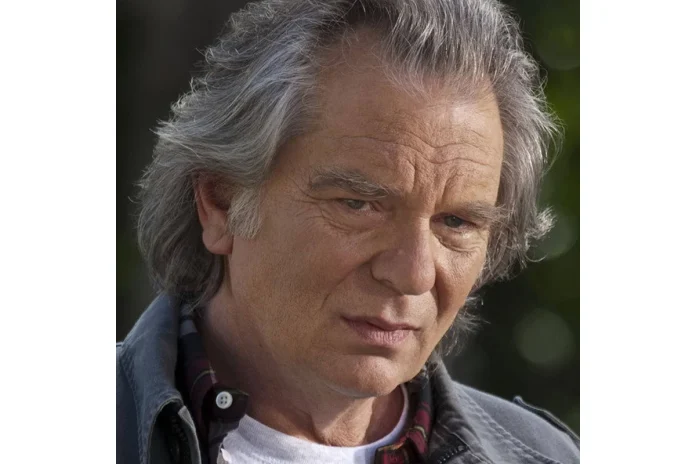
Leon Rippy Bio
Leon Rippy (born October 30, 1949) is an American actor whose career spans stage, film, and television. Active on screen since 1983, Rippy has built a reputation as a versatile character performer comfortable across genres, from regional theatre and major motion pictures to long-running cable dramas. He is best known for playing Earl the Angel on the TNT series Saving Grace, the loquacious saloon owner Tom Nuttall on HBO’s Deadwood, and the militiaman John Billings in the historical epic The Patriot (2000). His enduring dedication to craft has made him a reliable presence in projects shaped by some of Hollywood’s most accomplished filmmakers.
Over the course of more than four decades in entertainment, Rippy has balanced supporting film roles with recurring television work and a deep commitment to live theatre. His ability to bring texture and quiet intensity to smaller roles has earned him steady employment across studio features and prestige cable productions, establishing him as a respected figure in American screen acting.
Early Life and Background
Leon Rippy was born on October 30, 1949, in Rock Hill, South Carolina. He grew up in the American South, a region with a strong tradition of community theatre and live performance that helped shape his early interest in the stage. Rock Hill, situated in the northern part of South Carolina near the border with North Carolina, provided a backdrop for the formative years that preceded his move into professional acting.
Beyond his early exposure to theatre, Rippy developed an unusually broad set of physical skills before committing fully to acting. He worked with a circus and later served as a foreman on a cattle ranch, experiences that informed the grounded, physical quality often seen in his later performances. At one point in his early career, he was also regarded as an accomplished ballet dancer, a background that gave him discipline and stage presence well before his screen debut.
Path to Acting
Rippy’s path into acting developed through hands-on work in regional theatre rather than formal conservatory training. He founded and operated two theatre companies, a venture that required him to manage productions as well as perform in them. Through these companies and independent regional work, he appeared in more than seventy plays, sharpening the craft that would eventually translate to film and television screens.
His transition to screen acting came in 1983, when he began taking on small roles in film and guest spots on television. This gradual move from regional stages to Hollywood productions allowed him to build a working résumé while continuing to draw on the discipline of his theatrical roots. Early television appearances helped establish his face with casting directors and opened the door to larger supporting roles in feature films.
Leon Rippy Career
Early Career (1983–1989)
Rippy began his screen career in 1983, initially working in television with appearances on series that allowed him to demonstrate his range as a character actor. His early guest work introduced him to the rhythms of episodic production and gave producers a sense of his reliability on set. These formative years laid the foundation for the steady stream of supporting roles that followed in the next decade.
During this period, Rippy also continued his commitment to the stage, maintaining the live performance practice that had defined his early professional life. The combination of stage discipline and emerging screen credits positioned him for the breakthrough collaborations that would define the 1990s.
Breakthrough (1990–2000)
Rippy’s breakthrough on the big screen came through an extended collaboration with the German filmmaker Roland Emmerich, with whom he worked on seven feature films. Their partnership began with Moon 44 (1990) and continued with Eye of the Storm (1991), Universal Soldier (1992), Stargate (1994), The Thirteenth Floor (1999), and The Patriot (2000), before concluding with Eight Legged Freaks (2002). Working repeatedly with Emmerich allowed Rippy to develop a strong working relationship with a major director and to appear in productions that ranged from science fiction to historical drama.
The high point of this period was his role as John Billings, a militiaman, in The Patriot (2000), a Revolutionary War epic starring Mel Gibson. The film brought Rippy his widest mainstream exposure and remains one of his most recognized performances. His work during this decade, balancing genre films and historical features, established him as a dependable supporting actor capable of grounding large-scale productions.
On television, Rippy built an equally strong résumé with guest roles on Star Trek: The Next Generation, in the episode “The Neutral Zone,” Quantum Leap, Werewolf, Walker, Texas Ranger, Six Feet Under, and Leverage. He also played Sanders in the miniseries North and South, demonstrating his comfort with period material. These appearances across science fiction, westerns, and character-driven drama showcased the range that would soon make him a sought-after recurring player.
Notable Works and Milestones
Beyond his work with Emmerich, Rippy appeared in The Alamo (2004) and The Lone Ranger (2013), further extending his portfolio of historical and western-themed features. His seven-film collaboration with a single major director stands as a distinctive milestone in his career, a marker of the trust he earned through consistent, professional performances.
Leon Rippy Award Nominations
Leon Rippy’s long career in stage, film, and television has earned him steady employment and the respect of directors, producers, and fellow actors. While his work has been widely recognized by audiences, verified records of formal award nominations across his film and television projects are not documented in the available sources.
Leon Rippy Awards Won
Over four decades of professional acting, Leon Rippy has built a body of work that includes more than seventy stage productions, over a dozen feature films, and recurring roles on acclaimed cable series. Verified records of formal award wins tied to his film and television performances are not documented in the available sources.
Leon Rippy Family
Publicly available information about Leon Rippy’s immediate family, parents, and siblings is limited. He was born and raised in Rock Hill, South Carolina, and his early professional life included work as a cattle ranch foreman and with a circus, suggesting a family background connected to the working life of the American South. Detailed information about his parents and any siblings is not documented in the available sources.
Personal Life
Leon Rippy has kept much of his personal life out of the public eye, focusing public attention on his professional work rather than private affairs. Throughout his decades-long career, he has been based primarily in the United States, working across stage productions in various regions and film and television projects based in Hollywood. Detailed verified information about his long-term partners or children is not documented in the available sources.