
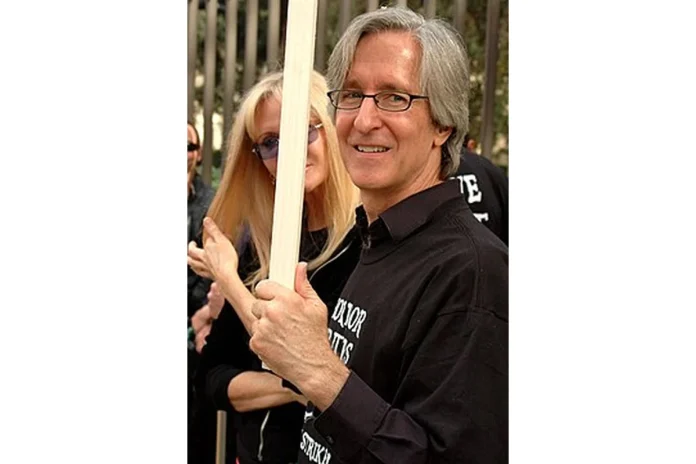
Mick Garris Bio
Mick Garris, born December 4, 1951, is an American filmmaker, screenwriter, producer, and novelist whose career has been defined by his devotion to the horror genre. Over the course of more than four decades, he has built a reputation as a director of feature films, a creator of horror television anthologies, and a trusted adaptor of Stephen King’s written work for the screen. Garris has also worked as a producer, a documentary filmmaker, a novelist, and a podcaster, and he is widely respected among fans and peers for his enthusiasm for genre cinema and his long association with the Trailers From Hell web project. Whether steering a Stephen King miniseries or producing a profile of a classic horror performer, Garris has remained a steady presence in American horror storytelling.
Early Life and Background
Mick Garris was born on December 4, 1951, in Santa Monica, California, and grew up in the San Fernando Valley community of Van Nuys. Growing up in Southern California during the postwar era placed him within easy reach of Hollywood’s studio system and the drive-in theaters that helped popularize horror as a steady form of entertainment for young American audiences. From an early age, he developed a fascination with genre films, an interest that would shape both his professional ambitions and his future creative output. The combination of a Pacific coast hometown and a childhood steeped in monster movies and supernatural storytelling laid the groundwork for his later entry into the film industry.
As a young viewer, Garris gravitated toward the work of genre auteurs and the wider tradition of American horror, including classic monster films and the literary horror that influenced them. He later channeled that affection into writing, filmmaking, and collecting, eventually becoming a vocal advocate for horror as an art form. His Santa Monica birth and Van Nuys upbringing gave him a recognizable Los Angeles pedigree, and his deep familiarity with the works of actors such as Lon Chaney Jr. hinted at the documentary and curatorial interests he would pursue later in life.
Path to Director
Before he became a recognizable name in Hollywood, Mick Garris worked his way into the industry through the network of writers, directors, and producers associated with Steven Spielberg’s television productions. His first major professional breakthrough came when he wrote an episode of the Steven Spielberg-produced series Amazing Stories, work that demonstrated his ability to craft horror-themed storytelling within a mainstream anthology format. That early credit opened the door to further assignments in genre television and helped him build relationships with writers and producers who shared his love of the macabre.
Garris continued to expand his profile through the late 1980s and 1990s, taking on writing, producing, and directing duties across both film and television. His collaborations with Stephen King became a defining feature of his career, beginning with their shared work on adaptations and culminating in Garris being entrusted to direct several King adaptations of his own. By the time he launched Masters of Horror for Showtime, he had established himself as both a creative force and a respected organizer of horror talent, a position that would influence his later work as a festival presence, podcaster, and museum adviser.
Mick Garris Career
Early Career (1980s)
Mick Garris’s earliest notable credit came with his writing work on the Steven Spielberg-produced anthology series Amazing Stories, where he contributed an episode that earned him a 1986 Edgar Award from the Mystery Writers of America. That recognition marked him as a screenwriter with a genuine gift for suspense and the unexpected, and it helped him transition from smaller assignments to larger projects. During this period, he also honed his producing skills on a variety of horror-themed productions, laying the groundwork for the executive roles he would later assume.
Throughout the 1980s, Garris built a résumé that combined writing, production, and the beginnings of feature directing. His steady output during this decade positioned him to take on bigger responsibilities as the horror genre entered a new commercial boom in the 1990s, and it cemented his reputation among Stephen King as a reliable and creative collaborator.
Breakthrough (1990s–2000s)
Garris’s breakthrough as a feature director came with Sleepwalkers, a 1992 horror film written by Stephen King and starring Mädchen Amick. The film established him as a director capable of bringing King’s stories to the screen with fidelity to their tone and atmosphere. He followed this with co-writing and executive producing duties on the 1993 family horror comedy Hocus Pocus, a film that broadened his audience and demonstrated his range as a producer.
In 2005, Garris created Masters of Horror for Showtime, a flagship anthology series that brought together many of the leading directors of contemporary horror television. The success of that program led to the NBC series Fear Itself, which extended his anthology format to broadcast television. These series cemented his role as a curator and enabler of genre talent, and they introduced him to a new generation of horror fans who knew him primarily as a producer and showrunner.
Notable Works and Milestones
Among Mick Garris’s most recognized works are the feature film Sleepwalkers, the Showtime anthology Masters of Horror, and the NBC series Fear Itself, along with his work as co-screenwriter and executive producer of Hocus Pocus. He directed the 2011 two-part miniseries adaptation of Stephen King’s novel Bag of Bones and produced the documentary Pure in Heart: The Life and Legacy of Lon Chaney Jr., which screened at Horror-Rama in October 2015. He also appeared as himself in the biographical horror film Digging Up the Marrow, directed by Adam Green, and as of 2015 serves on the board of advisers for the Hollywood Horror Museum.
Mick Garris Award Nominations
There are no widely verified award nominations for Mick Garris available from the sourced biographical material used to compile this page. Where nominations are absent from the official record, this section has been intentionally left without speculative entries.
Mick Garris Awards Won
Mick Garris won a 1986 Edgar Award from the Mystery Writers of America for an episode he wrote for the Steven Spielberg-produced television series Amazing Stories. This award remains the most clearly documented competitive honor associated with his early screenwriting career, and it has been cited as a marker of his skill in crafting suspenseful genre storytelling for the small screen. Apart from this Edgar Award, additional competitive wins are not clearly established in the available sources.
Mick Garris Family
Publicly available information about Mick Garris’s immediate family is limited, and the sourced biographical material does not provide verifiable details about parents, siblings, partners, or children. Because the available inputs do not meet the threshold of clear support, this section is presented only as a brief acknowledgment and does not attempt to describe relatives whose identities cannot be confirmed from the supplied sources.
Personal Life
Mick Garris is known primarily through his professional life and his public contributions to the horror community, including his ongoing role as a contributor to the Trailers From Hell web series and as host of the Post Mortem horror podcast. On January 16, 2018, it was announced that Post Mortem would be joining Blumhouse’s podcast network, expanding the show’s reach to a wider audience of genre listeners. Beyond his professional activities, verifiable details about his personal relationships, residence, and private interests are not established in the sources used to compile this page, so this section does not attempt to describe them.