
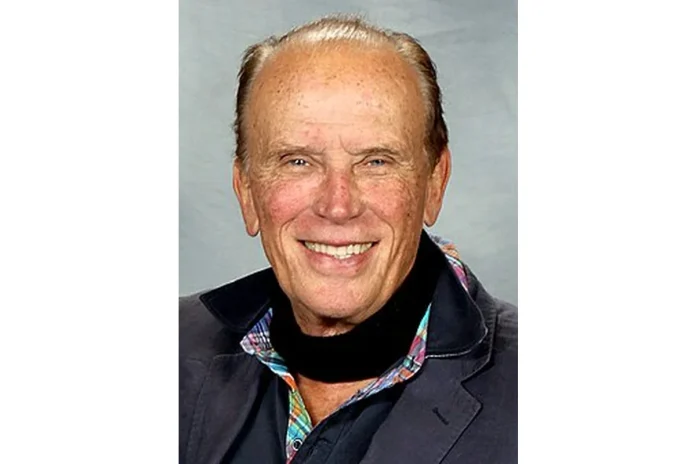
Peter Francis Weller Bio
Peter Francis Weller, born on June 24, 1947, is an American actor and television director whose career spans more than five decades across film, television, and stage. He first gained international fame as the title character in the science-fiction classic RoboCop (1987) and its sequel RoboCop 2 (1990), roles that remain his most recognized work. In addition to acting, Weller is also a respected director and an accomplished scholar of Italian Renaissance art history, holding a PhD from the University of California, Los Angeles.
Beyond RoboCop, Weller has appeared in films such as The Adventures of Buckaroo Banzai Across the 8th Dimension (1984), Naked Lunch (1991), The New Age (1994), Mighty Aphrodite (1995), and Star Trek Into Darkness (2013). On television, he has played major roles in series including 24, Dexter, Sons of Anarchy, Longmire, and The Last Ship, while also hosting the History Channel documentary series Engineering an Empire from 2005 to 2007. His combination of screen presence and academic achievement makes him a distinctive figure in American entertainment.
Early Life and Background
Peter Francis Weller was born in Stevens Point, Wisconsin, the son of Dorothy Jean Davidson, a homemaker, and Frederick Bradford Weller, a lawyer, federal judge, and career helicopter pilot for the United States Army. As a result of his father’s military service, Weller spent many years abroad during his childhood, with his family living in West Germany for several years before eventually settling in Texas.
Weller attended Alamo Heights High School in San Antonio, Texas, graduating in 1965, and grew up in a middle-class Catholic household with English, German, French, and Irish ancestry. He enrolled at North Texas State University, now the University of North Texas, where he played trumpet in one of the campus bands while studying theatre. He earned a Bachelor of Arts degree in theatre in 1970, laying the foundation for his future acting career.
Following his undergraduate studies, Weller attended the American Academy of Dramatic Arts, graduating with the class of 1972. He later returned to academia to pursue a Master of Arts degree in Roman and Renaissance art at Syracuse University, completing it in 2004, and went on to earn a PhD in Italian Renaissance art history from the University of California, Los Angeles. He defended his dissertation in May 2013 and was awarded the doctorate in 2014.
Path to Acting
Weller’s stage career began in the 1970s with appearances on Broadway in Full Circle, directed by Otto Preminger, and Summer Brave, William Inge’s rewrite of his play Picnic. During this period, he also became a member of the Actors Studio, a renowned training ground for serious dramatic actors. These early theatrical experiences helped establish his reputation as a committed performer before he transitioned to screen work.
His first major film appearance came in 1982 with Shoot the Moon, co-starring Diane Keaton and Albert Finney, where he played Keaton’s love interest. He followed that with a role in Firstborn (1984) alongside Christopher Collet and Corey Haim, further demonstrating his ability to portray complex, sometimes morally ambiguous characters. These early roles positioned him for the science-fiction breakthrough that would define his career.
Weller’s casting as the title character in RoboCop (1987) catapulted him to international fame and established him as a leading man in science-fiction cinema. The role required him to perform inside a bulky suit, a physical challenge he embraced, and the film’s success led to a sequel in 1990. This breakthrough opened doors to a wider range of projects, including art-house and auteur-driven films throughout the 1990s.
Peter Francis Weller Career
Early Career (1973–1986)
Weller began his professional career in 1973, working steadily in television and theatre before his film breakthrough. In 1977, he appeared in an episode of the television series Lou Grant, playing a tragically disillusioned Jewish-American Neo-Nazi leader in a critically noted performance. His stage work at the Actors Studio and Broadway productions during this period built his craft and reputation in the New York theatre community.
His transition to film in the early 1980s included Shoot the Moon (1982) and Firstborn (1984), both of which showcased his dramatic range. He also took on the title role in the cult science-fiction film The Adventures of Buckaroo Banzai Across the 8th Dimension (1984), a performance that earned him a loyal following among genre fans. These years of steady work in theatre, film, and television established the foundation for his rise to stardom.
Breakthrough (1987–2013)
The 1987 release of RoboCop marked the defining moment of Weller’s film career, transforming him into an international star and an iconic figure in science-fiction cinema. He reprised the role in RoboCop 2 (1990), further cementing the character’s place in popular culture. During this period, he also starred in David Cronenberg’s 1991 adaptation of William Burroughs’s novel Naked Lunch, demonstrating his willingness to take on challenging, unconventional material.
Throughout the 1990s, Weller balanced blockbuster work with independent and art-house projects, including The New Age (1994), Mighty Aphrodite (1995), and Screamers (1995). He later took on prominent television roles, joining the cast of 24 in 2006 as terrorist collaborator Christopher Henderson, and playing Stan Liddy in the fifth season of Dexter. He also hosted the History Channel documentary series Engineering an Empire from 2005 to 2007, bringing his distinctive voice and intellectual presence to historical programming.
In 2013, Weller appeared as Starfleet Admiral Alexander Marcus in Star Trek Into Darkness, joining one of the most successful science-fiction franchises in film history. He also voiced Batman in the two-part 2012–2013 animated adaptation of The Dark Knight Returns, a project that allowed him to bring gravitas to one of comic fiction’s most enduring characters.
Notable Works and Milestones
Peter Francis Weller’s signature role remains the titular cyborg law-enforcer in RoboCop, a performance that earned him a Saturn Award nomination and secured his place in science-fiction history. His work with directors such as David Cronenberg, Woody Allen, and Oliver Stone demonstrated his versatility beyond genre films. Additionally, his PhD from UCLA in Italian Renaissance art history reflects a rare combination of artistic and academic achievement, culminating in his 2025 book Leon Battista Alberti in Exile, published by Cambridge University Press.
Peter Francis Weller Award Nominations
Peter Francis Weller received an Academy Award nomination for his 1993 short film Partners, in which he also acted, marking one of the few Oscar nominations earned by a performer primarily known for genre roles. He was also nominated for a Saturn Award for his performance as the title character in RoboCop, recognizing his contribution to science-fiction cinema.
Peter Francis Weller Awards Won
Publicly verified lists of major competitive wins for Peter Francis Weller are limited in the available records. His most widely recognized honors include industry recognition for his hosting work on Engineering an Empire and acknowledgment of his long career in genre filmmaking.
Peter Francis Weller Family
Peter Francis Weller is the son of Frederick Bradford Weller, a lawyer, federal judge, and career helicopter pilot for the United States Army, and Dorothy Jean Davidson, a homemaker. His father’s military career caused the family to live abroad for several years during Weller’s childhood, including time in West Germany, before they eventually settled in Texas. Weller grew up in a middle-class Catholic household with English, German, French, and Irish ancestry.
Personal Life
In 1980, Weller met actress Ali MacGraw during the making of Just Tell Me What You Want, and the two had an on-off relationship for several years. On June 24, 2006, his 59th birthday, Weller married his longtime girlfriend, actress Shari Stowe, at the Santa Maria Assunta church in Positano, Italy. Weller and Stowe have one son, and the family has balanced his work in Hollywood with his academic pursuits in art history.