
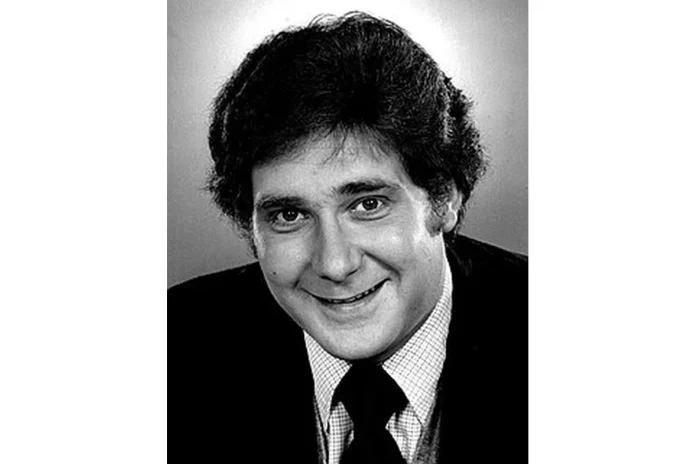
Richard Masur Bio
Richard Masur, born on November 20, 1948, is an American character actor whose career has spanned more than five decades across film, television, and stage. He is recognized for playing David Kane on One Day at a Time (1975–1976), Nick Lobo on Rhoda (1974–1977), Clark in The Thing (1982), adult Stanley Uris in the miniseries It (1990), and Edward L. L. Moore on Younger (2016–2018). Masur has appeared in more than 40 films and is widely respected for his versatility and steady presence in supporting roles. From 1995 to 1999, he served two terms as president of the Screen Actors Guild, advocating for performers across the industry.
Early Life and Background
Richard Masur was born in New York City on November 20, 1948, and raised in a Jewish household with strong professional roots. His mother, Claire Masur, worked as a high school counselor, while his father, Jesse Masur, made his living as a pharmacist. He also has a sister, Judith Masur, who grew up alongside him in the family home. Masur attended P.S. 28 and Walt Whitman Junior High School before continuing his education at Roosevelt High School in Yonkers, New York.
Growing up in New York offered him early exposure to theatre, film, and television, shaping his interest in performance from a young age. The cultural richness of the city, combined with the encouragement of his family, helped him develop the confidence to pursue acting as a career. His academic path eventually led him to one of the most respected drama programs in the country, where he refined his craft.
Path to Acting
Masur enrolled at the Yale School of Drama, where he studied toward a Master of Fine Arts in acting. The rigorous training at Yale sharpened his technique and prepared him for the demands of professional stage and screen work. During and shortly after his studies, he began appearing in stage productions, building a foundation in live performance that would inform his later film and television work.
His transition into screen acting began in the early 1970s, with early guest spots on established television series. In 1974, he appeared in an episode of The Waltons, signaling the start of a steady on-screen presence. These formative television appearances gave him the experience and exposure needed to land recurring roles on popular sitcoms later in the decade, including Rhoda and One Day at a Time.
Richard Masur Career
Early Career (1974–1981)
Richard Masur’s professional screen career began in 1974, and he quickly established himself as a reliable character actor in television. He appeared in an episode of All in the Family early in his career, followed by a recurring role on Rhoda from 1974 to 1977 as Nick Lobo. He also played David Kane on One Day at a Time from 1975 to 1976 and had a role on Hot l Baltimore in 1975. In 1977, he appeared in the pilot for the NBC sitcom Bumpers, expanding his presence across the network television landscape.
In 1981, Masur took on a more serious dramatic role in the television film Fallen Angel, portraying a child molester armed with a camera. The performance showcased his willingness to take on challenging material and demonstrated his range as an actor. These early years laid the groundwork for the larger film roles that would follow in the next decade.
Breakthrough (1982–1990)
Masur’s breakthrough came in 1982 with his role as Clark, the dog handler, in John Carpenter’s horror and science fiction film The Thing. The film became a landmark of the genre and brought Masur wider recognition among film audiences. The role cemented his reputation as a dependable supporting actor capable of delivering memorable performances in major studio productions.
Throughout the 1980s, Masur continued to build his filmography with a variety of roles. In 1988, he played the father of Corey Haim’s character in the comedy License to Drive, showing his lighter side. He then joined the ensemble cast of the 1990 television miniseries adaptation of Stephen King’s It, taking on the role of adult Stanley Uris. These projects highlighted his ability to move between comedy, drama, and horror with ease.
Later Career (1994–Present)
In 1994, Masur played a character modeled after Jewish American spy Jonathan Pollard in the French film Les Patriotes (The Patriots), directed by Éric Rochant. The international project reflected his willingness to take on culturally complex roles beyond Hollywood productions. Beginning in January 2006, he took on a recurring role on the soap opera All My Children, demonstrating his continued relevance in long-running television formats.
Masur has remained active with guest spots on a wide range of television series, including M*A*S*H, The Mary Tyler Moore Show, Hawaii Five-O, Happy Days, Picket Fences, Matlock, Murphy Brown, Law & Order, Kevin (Probably) Saves the World, and Transparent. From 2016 to 2018, he played Edward L. L. Moore on the television series Younger, adding another notable credit to his resume. In December 2009, he returned to the stage in the off-Broadway play Dust, playing the role of Martin Stone. His career continues to reflect a balance between film, television, and stage work.
Notable Works and Milestones
Richard Masur’s signature works include The Thing, the It miniseries, and his recurring television roles on Rhoda and One Day at a Time. His tenure as president of the Screen Actors Guild from 1995 to 1999 stands as one of the most significant milestones of his career, reflecting the respect he earned from his peers. His ability to sustain a productive acting career for more than five decades remains one of the defining achievements of his professional life.
Richard Masur Family
Richard Masur was raised in New York City by his mother, Claire Masur, a high school counselor, and his father, Jesse Masur, a pharmacist. He grew up alongside his sister, Judith Masur, in a Jewish family that valued education and professional achievement. Masur is married to Eileen Henry, and the couple has built a family life alongside his long and active acting career.
Personal Life
Richard Masur has been married to Eileen Henry, and the two have shared a life together while he has continued to work steadily in the entertainment industry. His New York upbringing and his education at the Yale School of Drama have remained central touchstones of his personal and professional identity. Beyond his acting work, Masur has been known for his advocacy through his leadership of the Screen Actors Guild, reflecting a commitment to the broader community of performers.