
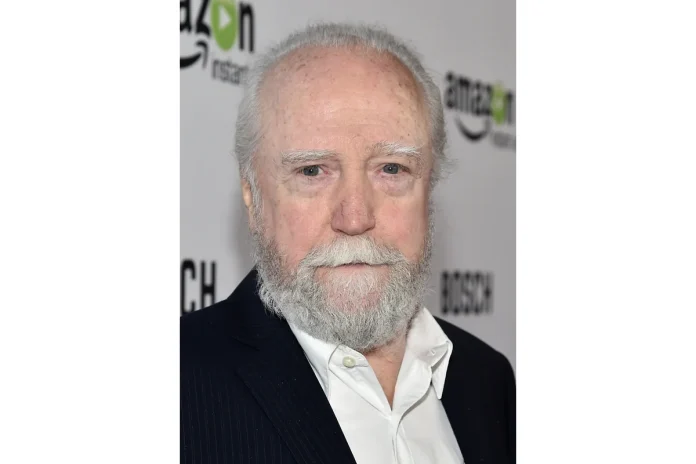
Steven Brill Bio
Steven Brill (born May 27, 1962) is an American actor, film producer, director, and screenwriter who has built a long career working primarily in comedy. He is best known for directing and co-writing Little Nicky and for directing the popular comedies Mr. Deeds, Without a Paddle, Heavyweights, and Drillbit Taylor. Across his career, he has frequently stepped in front of the camera as well, taking small parts in major studio films alongside his behind-the-scenes work. His filmography spans more than three decades of activity in Hollywood film and television.
Beyond directing, Brill has become a recognizable presence through his cameo roles, including appearances in all three Mighty Ducks movies, as well as The Wedding Singer, Mr. Deeds, and Knocked Up. He is also remembered for his involvement in the Fanboys reshoot and editing controversy of 2007 and 2008. He has continued to write, direct, and produce across both film and television projects well into the 2020s.
Early Life and Background
Steven Brill was born on May 27, 1962, in Utica, New York, in the United States. He grew up in a period when American popular culture was rapidly expanding across television and cinema, an environment that helped shape his later interest in storytelling and performance. Although much of his earliest life remains outside the public record, his path soon shifted toward the southern United States, where he completed his teenage years.
He attended high school in Fort Lauderdale, Florida, between 1976 and 1980, finishing his secondary education there before pursuing film studies at the college level. His time in Florida placed him near a growing entertainment industry and gave him exposure to the kind of audience-driven comedy that would later influence his work. After graduating from high school, he continued his education at a major American university known for its film program.
Brill went on to study at Boston University’s Film School, where he sharpened his skills as a writer and filmmaker. While at the university, he worked with the poet Derek Walcott and also collaborated with comedian Marc Maron on screenplays and stand-up comedy during a formative and sometimes turbulent period. That partnership and training period was later discussed on the 500th episode of the podcast WTF with Marc Maron.
Path to Acting
After completing his studies at Boston University, Steven Brill moved into professional work in the entertainment industry, beginning his career in 1989. His earliest professional years were spent learning the craft through a mix of writing, on-screen appearances, and small production roles. This combination allowed him to develop a strong understanding of both performance and storytelling before he took on larger directing responsibilities.
He gradually built relationships within the comedy film world, contributing to projects that paired him with other emerging comedic talents. His time collaborating with Marc Maron during college helped lay the groundwork for the timing and structure that would later define his directing style. By the early 1990s, he had begun securing small on-screen parts in major studio productions, marking his transition from training into a working Hollywood professional.
Steven Brill Career
Early Career (1989–1994)
Steven Brill began his professional career in 1989, taking on early acting and writing roles in film and television. During this period, he appeared in the 1989 film Sex, Lies, and Videotape as the Barfly, marking one of his earliest known screen credits. The role placed him in a notable independent production early in his career.
He followed that appearance with a small part in the 1992 hit The Mighty Ducks, the first entry in the popular sports comedy franchise. That cameo helped establish his pattern of appearing briefly in major studio comedies while continuing to develop his skills behind the camera. He would later return to the franchise in two sequels, making him one of the few performers to appear in all three Mighty Ducks films.
Breakthrough (1995–2002)
Brill achieved one of his first major directing credits with Heavyweights in 1995, a comedy that became a cult favorite among audiences. He continued his on-screen presence with cameos in D2: The Mighty Ducks in 1994 and D3: The Mighty Ducks in 1996, completing his trilogy of appearances in the franchise. In 1998, he appeared in The Wedding Singer, a major comedy hit that further connected him to popular 1990s humor.
His directing profile grew sharply with Mr. Deeds in 2002 and the earlier Little Nicky in 2000, which he also co-wrote. Little Nicky in particular gave him his most visible behind-the-scenes credit, as he helped craft the story and served as a central creative voice on the production. These projects positioned him as a reliable director of studio comedy during the early 2000s.
Continued Work (2004–2009)
Brill continued his directing work with Without a Paddle in 2004, another outdoor-themed comedy that built on his track record with ensemble casts. In 2007, he appeared in the comedy hit Knocked Up, although his role in that film has been the subject of credit disputes, with some sources associating the credit with Judd Apatow. He returned to the director’s chair for Drillbit Taylor in 2009, working with major comedic stars on the project.
During this same period, Brill was one of the central figures, alongside producer Harvey Weinstein, in the 2007 and 2008 Fanboys reshoot and editing controversy. The dispute centered on changes made to the film after its initial completion, drawing significant industry attention. Despite the controversy, Brill continued to take on new writing, directing, and producing assignments through the end of the decade.
Notable Works and Milestones
Steven Brill’s signature work as a director includes Heavyweights, Little Nicky, Mr. Deeds, Without a Paddle, and Drillbit Taylor, a body of films that established him as a steady hand in studio comedy. His on-screen trademark has been a string of memorable cameos in the Mighty Ducks trilogy, The Wedding Singer, Mr. Deeds, and Knocked Up. These combined credits represent his most identifiable contributions to American comedy film.
Steven Brill Family
Steven Brill was married to actress Leah Lail between 1999 and 2000, a union that lasted roughly one year. He later married Ruthanna Hopper, and their partnership has continued in subsequent years. Limited public information is available about his parents, siblings, or children, and he has generally kept his family life private.
Personal Life
Steven Brill, an American by nationality, was born and raised in Utica, New York, before spending his high school years in Fort Lauderdale, Florida. He later studied at Boston University’s Film School, where he formed creative partnerships that shaped his early career. His professional focus has remained primarily on comedy across film and television, and he has continued to write, direct, and produce projects into the 2020s.