
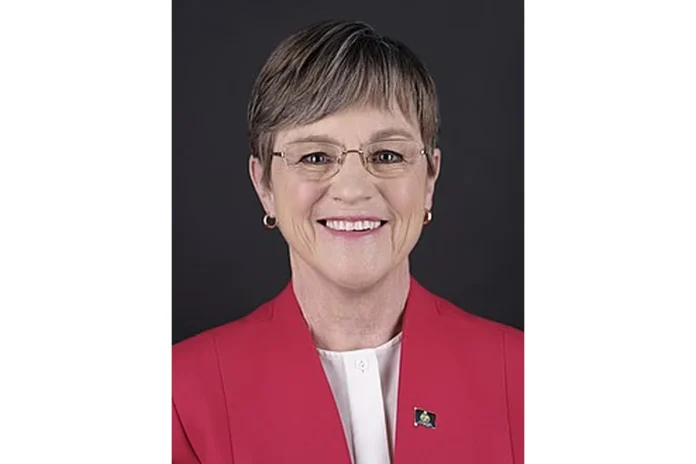
Laura Kelly Bio
Laura Jeanne Kelly (born January 24, 1950) is an American politician serving as the 48th governor of Kansas since 2019. A member of the Democratic Party, she is known for her bipartisan approach to state budgeting, education funding, and public health policy. Before entering elected office, Kelly built a career as a recreational therapist and as a nonprofit executive, experiences that shaped her focus on health care, family services, and community well-being.
Kelly previously represented northern Topeka in the Kansas Senate for the 18th district from 2005 until her inauguration as governor. She won the governorship in 2018 and was reelected in 2022, establishing herself as a steady, moderate voice in a Republican-dominated state.
Early Life and Background
Laura Jeanne Kelly was born on January 24, 1950, in New York City. She grew up in a military family that moved often during her childhood, including time stationed overseas. These frequent relocations exposed her to a variety of communities and institutions, shaping an early appreciation for public service and adaptability.
Kelly attended Bradley University in Peoria, Illinois, where she earned a Bachelor of Science in psychology in 1971. She went on to Indiana University Bloomington, where she completed a Master of Science in therapeutic recreation. Her academic background in psychology and recreation laid the foundation for her early professional work in therapeutic and community settings.
Path to Kansas Politics
After completing her education, Kelly worked as a recreation therapist at the Rockland Children’s Psychiatric Center in New York. She later became director of physical education and recreation therapy at the National Jewish Hospital for Respiratory and Immune Diseases. These roles gave her direct experience supporting vulnerable populations through structured recreational and therapeutic programs.
In 1986, Kelly moved to Topeka, Kansas, where she took on the role of executive director at the Kansas Recreation and Park Association, serving from 1988 to 2004. Over sixteen years, she became a respected voice in state-level recreation policy. In November 2004, she was elected to the Kansas Senate, representing the 18th district in northern Topeka, beginning the legislative phase of her public service career.
Laura Kelly Career
Early Career (2005–2017)
Kelly represented the 18th district in the Kansas Senate from 2005 until her 2019 inauguration as governor. During her time in the Senate, she served as Minority Whip and, during the 2011–2012 legislative sessions, as Assistant Minority Leader. She held Ranking Minority positions on the Ways and Means Committee, the Joint Committee on Home and Community Based Services and KanCare Oversight, and the Public Health and Welfare Committee.
In late 2009, Kelly briefly considered a run for Kansas’s 2nd congressional district before deciding to remain in the state legislature. Her Senate work focused on fiscal responsibility, social services, and health policy, building the reputation that would later carry her into the governor’s office.
Gubernatorial Breakthrough (2017–2018)
On December 15, 2017, Kelly announced her candidacy for governor of Kansas. In the Democratic primary she faced former Wichita Mayor Carl Brewer and former Kansas Secretary of Agriculture Josh Svaty. On May 24, 2018, Kelly named State Senator Lynn Rogers as her running mate. On August 7, 2018, she won the primary with 51.5 percent of the vote.
In the general election, Kelly faced Republican Secretary of State Kris Kobach. She earned an endorsement from former Kansas Governor Kathleen Sebelius and from 28 current or former Republican officials, including former Governor Bill Graves and former U.S. Senator Sheila Frahm. On November 6, 2018, Kelly was elected governor with 48.0 percent of the vote to Kobach’s 43.0 percent. She was inaugurated on January 14, 2019, at the Kansas State Capitol.
First Term (2019–2022)
Kelly’s first official act as governor was signing an executive order reinstating employment discrimination protections for LGBT state workers that had been eliminated in 2015. She quickly moved to reverse what she described as the fiscal and educational challenges left by her predecessor, Sam Brownback, and pushed for bipartisan solutions to the state’s budget shortfalls.
In response to the COVID-19 pandemic, Kelly declared a state of emergency on March 12, 2020, after the state’s first COVID-19 death. She issued successive executive orders limiting public gatherings, closing K–12 schools for the remainder of the 2019–2020 school year, and ordering residents to stay at home. A legal dispute over Easter gathering limits reached the Kansas Supreme Court, which unanimously reinstated her orders. Kelly also vetoed two Republican income tax cut bills in 2019, helping preserve budget reserves that reached $1.1 billion entering fiscal year 2020.
Second Term (2023–Present)
Kelly was reelected on November 8, 2022, defeating Kansas Attorney General Derek Schmidt, 49.5 percent to 47.3 percent. Her second term began on January 9, 2023. She has continued to push for Medicaid expansion under the Affordable Care Act, an effort reintroduced each legislative session and currently styled as the Healthcare Access for Working Kansans (HAWK) Act in 2025.
During the 2024 legislative session, Kelly vetoed multiple tax-cut bills, including a bipartisan House bill, arguing the proposals favored the wealthy and threatened the state’s fiscal stability. In 2023, she launched Middle of the Road PAC to support candidates who favor pragmatic governance. She remains a leading voice on education funding, mental health services, and balanced state budgeting.
Notable Events and Milestones
Kelly made Kansas the first state to end in-person K–12 classes for the remainder of the school year in March 2020. In May 2022, she signed a bill gradually eliminating the state sales tax on food by 2025. She also opposed the 2022 Kansas abortion referendum, which was defeated by nearly 60 percent of voters. On October 4, 2021, she received the Bradley University Distinguished Alumna award and was inducted into Bradley’s Centurion Society.
Laura Kelly Career Wins
Laura Jeanne Kelly’s career victories span more than two decades of Kansas public service, including multiple state Senate wins and two consecutive gubernatorial elections. Her track record is defined by bipartisan coalition-building and policy accomplishments in budgeting, education, and public health.
Gubernatorial Election Highlights
Kelly won her first gubernatorial race on November 6, 2018, defeating Republican Kris Kobach 48.0 percent to 43.0 percent after a hard-fought primary and a general election campaign that attracted unusually broad cross-party support. Her victory ended eight years of Republican control of the Kansas governor’s office.
Kelly secured a second term on November 8, 2022, defeating Kansas Attorney General Derek Schmidt 49.5 percent to 47.3 percent. Her reelection reinforced her standing as a durable statewide figure in Kansas politics.
Other Wins and Achievements
Kelly was first elected to the Kansas Senate in November 2004 and held the 18th district seat for nearly fifteen years. She received the Bradley University Distinguished Alumna award and was inducted into the university’s Centurion Society on October 4, 2021. Her leadership during the COVID-19 pandemic, including the Kansas Supreme Court’s unanimous reinstatement of her public health orders, stands as a defining policy victory of her tenure.
Laura Kelly Family
Family Background and Personal Lineage
Kelly was born into a military family that moved often during her childhood, with time stationed overseas. The frequent relocations of her early years helped shape her adaptability and her comfort working across different communities and institutions.
Personal Life
Kelly married physician Ted Daughety, a specialist in pulmonary and sleep disorders, in 1983. The couple moved to Topeka in 1986 and have two adult daughters. Kelly and Daughety divorced in 2024. Kelly is Catholic and has lived in Topeka, Kansas, for most of her adult life.