

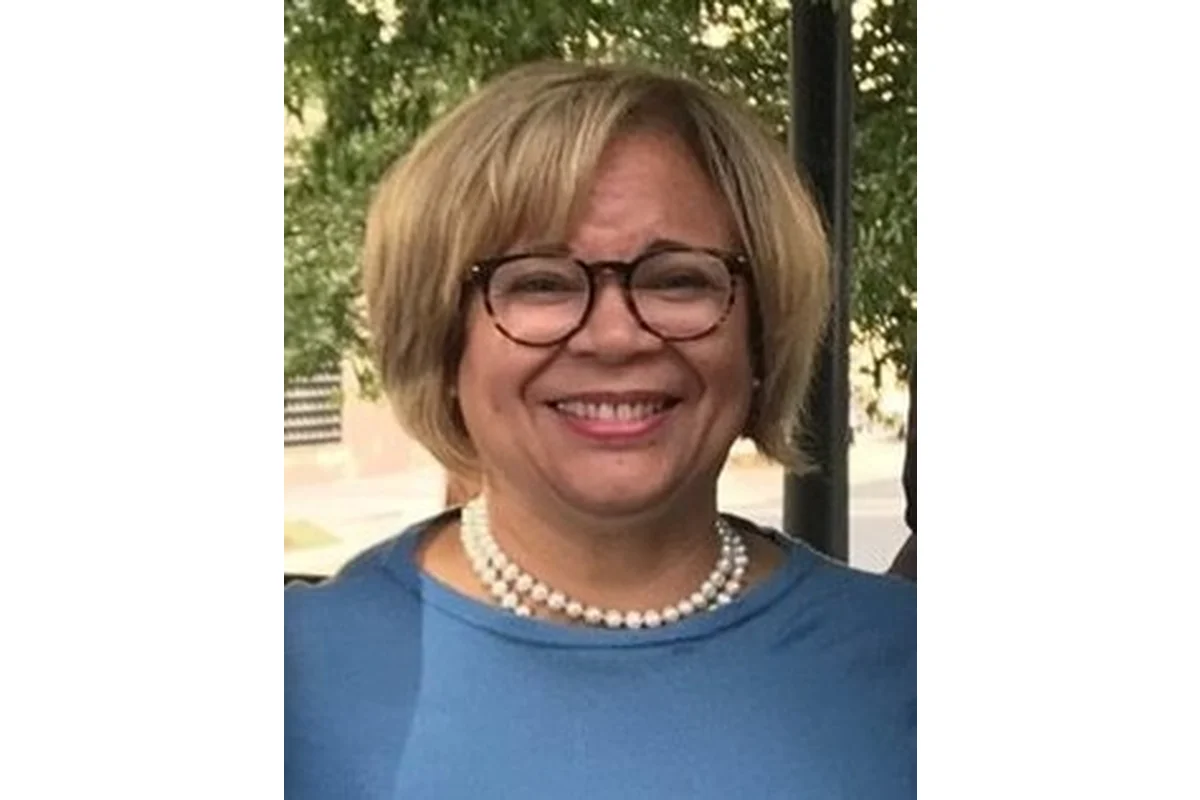
Vi Lyles Bio
Viola Alexander Lyles (born September 28, 1952) is an American politician serving as the 59th mayor of Charlotte, North Carolina, a position she has held since 2017. A member of the Democratic Party, Lyles previously served on the Charlotte City Council and was elected mayor pro tempore in 2015. She is the first African-American woman to serve as Charlotte’s mayor and also the city’s first former city administrator to hold the office.
Before entering elected office, Lyles spent decades in municipal administration in Charlotte, working as a budget analyst, budget director, and assistant city manager. She later served as a consulting director and as community outreach director for the 2012 Democratic National Convention. Her combination of fiscal experience and civic engagement has shaped her approach to the city’s growth and equity priorities.
Early Life and Background
Vi Lyles was born on September 28, 1952, in Columbia, South Carolina. She was raised in the same city, where her father owned a construction company and her mother worked as a teacher. The family’s working background and her parents’ involvement in local enterprise helped shape her early understanding of how cities function and how public investment shapes neighborhoods.
Growing up in Columbia during the mid-twentieth century, Lyles came of age in a period of significant change across the American South. The values of public service and education modeled by her parents influenced her later academic path, leading her to pursue formal training in political science and public administration.
She earned a Bachelor of Arts degree in political science from Queens University of Charlotte and later completed a Master of Public Administration at the University of North Carolina at Chapel Hill. These degrees laid the foundation for her long career in municipal budgeting and city management.
Path to US Politics
Lyles began her public service career with the city of Charlotte, North Carolina, where she held several key administrative posts. She served as a budget analyst, budget director, and assistant city manager, building deep experience in fiscal planning and city operations. In 2004, she transitioned to the private and nonprofit sectors, working as a consulting director for the Lee Institute and later for Flynn Heath Holt Leadership.
Her involvement in the Democratic Party grew steadily, and in 2012 she served as community outreach director for the Democratic National Convention, a role that connected her to a wide network of party leaders and community organizers. That same year, she was elected to the Charlotte City Council, and in 2015 her council colleagues elevated her to mayor pro tempore, placing her in line to lead the council during the interim.
Following the 2016 shooting of Keith Lamont Scott, Lyles proposed a seven-point plan to reduce racial and class divisions in Charlotte, parts of which the council approved. The plan established her as a vocal advocate for equity, and it helped set the stage for her run at the city’s top office in 2017.
Vi Lyles Career
Early Career (1970s–2012)
Vi Lyles began her professional life in Charlotte’s municipal government, joining the city as a budget analyst and steadily rising through the ranks. Her analytical work led to appointments as budget director and then assistant city manager, roles in which she helped shape Charlotte’s spending priorities and managed major departmental operations.
After leaving city hall in 2004, she took on leadership roles outside government. She worked as a consulting director for the Lee Institute and later for Flynn Heath Holt Leadership, advising on civic and organizational strategy. Her selection as community outreach director for the 2012 Democratic National Convention reflected the reputation she had built in both government and party circles.
Charlotte City Council Era (2013–2016)
In 2013, Vi Lyles was elected to the Charlotte City Council, joining the body that oversees the budgets and policies of one of the fastest-growing cities in the United States. Her administrative background gave her a practical voice on fiscal matters, and she became known for steady, data-driven decision-making on the council.
In February 2016, Lyles supported an LGBTQ non-discrimination ordinance that prohibited discrimination against LGBTQ individuals in public accommodations. Later that year, following the September 2016 shooting of Keith Lamont Scott, she introduced a seven-point plan to reduce racial and class divisions in Charlotte, parts of which were approved by the council. In 2015, her colleagues elected her mayor pro tempore, a position that elevated her public profile and prepared her for a citywide run.
First Mayoral Term (2017–2019)
Lyles entered the 2017 Charlotte mayoral race with a long record in city management and a clear message on equity and growth. In the Democratic primary, she defeated the incumbent mayor, Jennifer Roberts, taking 46.13 percent of the vote to Roberts’ 36.23 percent. In the general election, Lyles faced Republican city council member Kenny Smith and won decisively with 59.15 percent of the vote, becoming the first African-American woman and the first former city administrator to serve as mayor of Charlotte.
Her endorsements reflected her broad coalition, drawing support from the Black Political Caucus, the Charlotte Firefighters Association, Democracy for America, the Human Rights Campaign, MeckPAC, Equality NC, and The Charlotte Observer. In April 2018, she pushed for an expansion of the Housing Trust Fund to promote the construction of public housing for low-income renters through subsidies.
Second Mayoral Term (2019–2022)
Choosing to run for a second term in 2019, Lyles won the Democratic primary as the incumbent mayor and faced Republican David Michael Rice in the general election. She won by a wide margin, holding 77.3 percent of the vote to Rice’s 22.3 percent, a result that confirmed her strong standing with Charlotte voters.
During this period, Lyles worked alongside the Charlotte Area Transit System to open a 19-mile light rail transit line intended to reduce traffic accidents and increase urban mobility. She also implemented a Vision Zero philosophy aimed at further reducing traffic fatalities across the city.
Third Mayoral Term (2022–Present)
Following the 2022 Democratic primary, Lyles was again chosen as the party’s candidate for mayor and faced Republican Stephanie de Sarachaga-Bilbao in the general election. She secured 68.4 percent of the vote to de Sarachaga-Bilbao’s 31.3 percent, winning election to her third mayoral term. Her continued electoral success has made her one of the most durable mayors in Charlotte’s modern history.
On November 1, 2021, Lyles launched the Racial Equity Initiative, committing $250 million to address inequities and remove barriers to opportunity through four priority focus areas. The initiative helped fund a new Center for Digital Equity, investments in six corridors of opportunity neighborhoods, support for Johnson C. Smith University, and commitments from organizations to advance Black leaders and leaders of color. In 2021, she and the city also implemented the Alternatives to Violence program in Charlotte to curb violent crime and shootings.
Notable Events and Milestones
Among the signature events of Lyles’ tenure is the 2017 mayoral victory that made her the first African-American woman to lead Charlotte, a milestone she followed with two more commanding wins in 2019 and 2022. The opening of the 19-mile light rail line in her first term, the launch of the $250 million Racial Equity Initiative in 2021, and the implementation of the Alternatives to Violence program all stand out as defining achievements of her mayoralty.
Vi Lyles Career Wins
Vi Lyles has built a record of consistent electoral success in Charlotte, winning every mayoral race she has entered since 2017. Her victories include a 2017 general-election win over Republican Kenny Smith, a 2019 landslide over Republican David Michael Rice, and a 2022 win over Republican Stephanie de Sarachaga-Bilbao. She has also won three Democratic mayoral primaries, each time positioning herself as the party’s standard-bearer in Charlotte.
Mayoral Election Highlights
Lyles’ first mayoral win came in 2017, when she defeated incumbent Jennifer Roberts in the Democratic primary and then beat Republican Kenny Smith in the general election with 59.15 percent of the vote. Her most recent victory came in 2022, when she secured 68.4 percent of the vote against Republican Stephanie de Sarachaga-Bilbao to claim her third mayoral term. Across her three general elections, Lyles has consistently won more than 59 percent of the vote, signaling durable support among Charlotte voters.
Other Wins and Achievements
Beyond her electoral record, Lyles has secured landmark policy achievements, including the expansion of the Housing Trust Fund in 2018, the launch of the Racial Equity Initiative in 2021, and the introduction of the Alternatives to Violence program. She also helped secure expansions in Charlotte by major employers such as Honeywell, Lowe’s, and Microsoft, supporting the creation of thousands of new jobs during her tenure.
Vi Lyles Family
Family Background and Public Service Lineage
Vi Lyles was raised in Columbia, South Carolina, by parents whose working lives shaped her values. Her father owned a construction company, and her mother worked as a teacher, giving Lyles firsthand exposure to small business, education, and the day-to-day realities of working families. Those early influences helped steer her toward a career in public service and city management.
Personal Life
Vi Lyles was first married to Wayne Alexander, a North Carolina State attorney who ran his own private practice until his death in 1987. She later married John Lyles, who died in 2013. From her first marriage, she has two children, a son named Kwame Alexander and a daughter named Aisha Alexander-Young. Her daughter is recognized for her work in philanthropy, political commentary, and community organizing.