
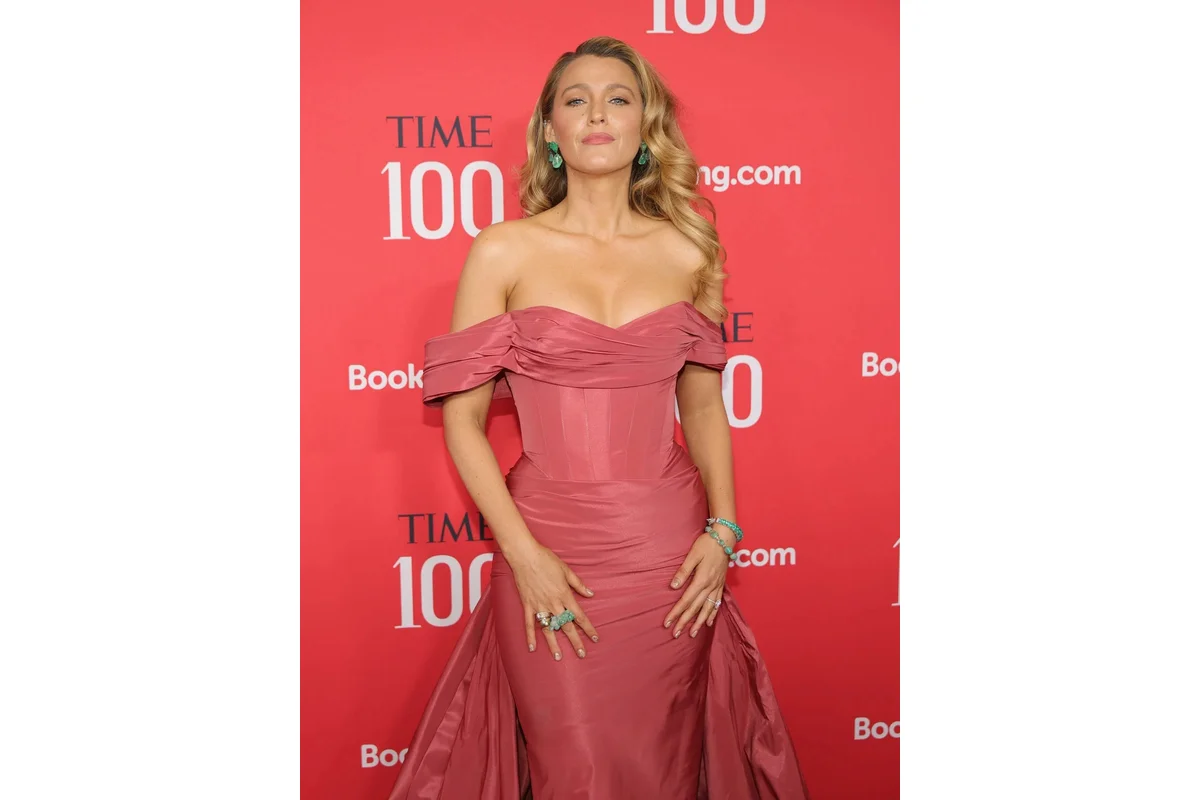
Blake Lively’s sexual harassment lawsuit has taken a significant turn in the ongoing legal battle over the film It Ends With Us, as Justin Baldoni’s lawyers argued in federal court in New York that such claims should be dismissed because the movie involved “hot and sexy” themes. The defendant’s team maintained on Thursday that Lively’s allegations fail to meet the legal standard, given the movie’s nature as a “steamy and turbulent romance.”
Baldoni, who directed and co-starred in the film, has faced accusations from Lively claiming harassment and a subsequent social media smear campaign during the film’s release in summer 2024. The actress alleges damages amounting to $161 million from lost earnings and reputational harm. At the hearing, Baldoni’s legal representatives dismissed the claims as “trivial grievances” and “petty slights” that should not proceed to trial.
Content and Context of the Film Highlighted in Legal Arguments
In the movie, Lively portrays Lily Bloom, a florist who enters a volatile relationship with neurosurgeon Ryle Kincaid, played by Baldoni, whose character exhibits abusive behavior. Baldoni’s lawyers underscored that all actors signed on fully aware of the film’s intimate and at times distressing content. Jonathan Bach, defending Baldoni, said,
“This is a case about making a movie, a movie with highly charged romantic and sexual themes.”
The team emphasized that the screenplay, adapted from a bestselling book, called for provocative scenes essential to the narrative. They insisted that Lively had consented to this artistic vision, including working closely with Baldoni. However, Judge Lewis Liman, presiding over the case, rejected the idea that the explicit nature of the film gave Baldoni unrestricted permission to impose physical contact on Lively. He remarked,
“It couldn’t be the case that just because the film was of a sexual nature that Baldoni could touch Lively ‘wherever he wanted.’”
Judicial Scrutiny Focuses on Consent and Creative Boundaries
During the three-hour hearing, Judge Liman pressed both sides for clarity on what constitutes harassment versus creative direction. He questioned the extent to which a director can improvise physical interactions in performance scenes, particularly referencing a contentious dance sequence. The justice asked,
“Does a director have any ability in that kind of setting to improvise with respect to what the actors are doing?”
and wondered whether every unscripted contact could trigger legal claims.
Lively’s attorney Esra Hudson described four specific alleged sexual harassment incidents: an unscripted moment during the dance when Baldoni kissed and “nuzzled” Lively, producer Jamey Heath allegedly entering her trailer while she was partially undressed, Heath showing her a video of his naked wife giving birth, and a birthing scene where Lively wore minimal coverage. Hudson emphasized,
“That’s the issue here. There was no consent.”
Nonetheless, Judge Liman expressed skepticism about framing all directorial decisions involving physical contact as harassment, stating,
“Your proposition would seem to have every director’s decision decided by a jury and that can’t be right.”
When presented with whether directing Lively to “look sexy, to look hot” is valid, he noted this could be “fair game for the director,” a point Hudson agreed with, but she added that if the complaint was purely about character portrayal, the lawsuit would not exist.
Comparison to Other Industry Examples Raises Legal Questions
Baldoni’s defense brought up HBO’s show Heated Rivalry, which features explicit scenes between male actors Hudson Williams and Connor Storrie, engaging in a romantic ice hockey rivalry. Bach posed the question whether aggressive kissing between two men in such a context could be considered discrimination based on gender. He asked,
“Is that discriminatory? That’s the question here,”
challenging the assertion that any physical interaction in artistic work should automatically be classified as harassment.
Judge Postpones Decision on Dismissal and Other Legal Issues
Judge Liman, brother of Hollywood director Doug Liman, refrained from ruling on Baldoni’s motion to dismiss during the hearing, indicating a decision will come later. The court also heard arguments on whether Lively qualifies as an independent contractor, and whether Baldoni’s legal team should face penalties for allegedly destroying texts — important evidence in the case. The judge’s pointed inquiries reflected the complexity of balancing artistic freedom with workplace conduct laws.
Newly Released Evidence Fuels the Case’s Intensity
The hearing followed the recent unsealing of hundreds of text messages exchanged between Lively and her close friend Taylor Swift, where Swift expressed disdain for Baldoni. The messages revealed Swift referring to Baldoni as a “b****” in 2024 amid the scandal. Swift also congratulated Lively after she filed a formal complaint with the California Civil Rights Department. Meanwhile, Lively’s husband, Ryan Reynolds, also conveyed his disapproval of Baldoni in a January 2024 meeting at their home, although neither Swift nor Reynolds is expected to testify at trial.
Blake Lively’s Legal Team Remains Determined to Proceed to Trial
Outside the courthouse, Lively’s lead attorney Sigrid McCawley spoke firmly about the strength of their evidence and the seriousness of the workplace allegations. She stated,
“There were multiple women who raised concerns about this workplace. Mr Baldoni felt free to talk about having orgasms in the workplace, he felt free to talk about having sex with women without their consent.”
McCawley reiterated,
“There are mountains of evidence that prove Lively’s claim,”
and said that Lively wants the case to go before a jury to
“send a message to all women.”
McCawley also noted surprisingly that neither Taylor Swift nor Ryan Reynolds are expected to be among the witnesses called, despite their acknowledged knowledge of the events.
Implications of the Case for Hollywood and Workplace Standards
The Blake Lively harassment lawsuit highlights heightened tensions in Hollywood over boundaries in performing intimate scenes and workplace conduct. With a high-profile judge balancing issues of artistic expression and workers’ rights, the case sets a potentially precedent-setting example for how courts evaluate claims of harassment amid consensual but sensitive creative environments. The scheduled trial in May will likely further probe the fine line between acceptable acting direction and illegal misconduct.
How Judge Liman ultimately rules on the dismissal motion and other matters concerning evidence and employment status will shape not only this contentious dispute but could influence industry protocols in handling similar allegations going forward. With star-studded names and serious claims on both sides, the trial promises to be closely watched for what it may reveal about power dynamics behind the scenes.
Related semantic context: related coverage · external reference.
