
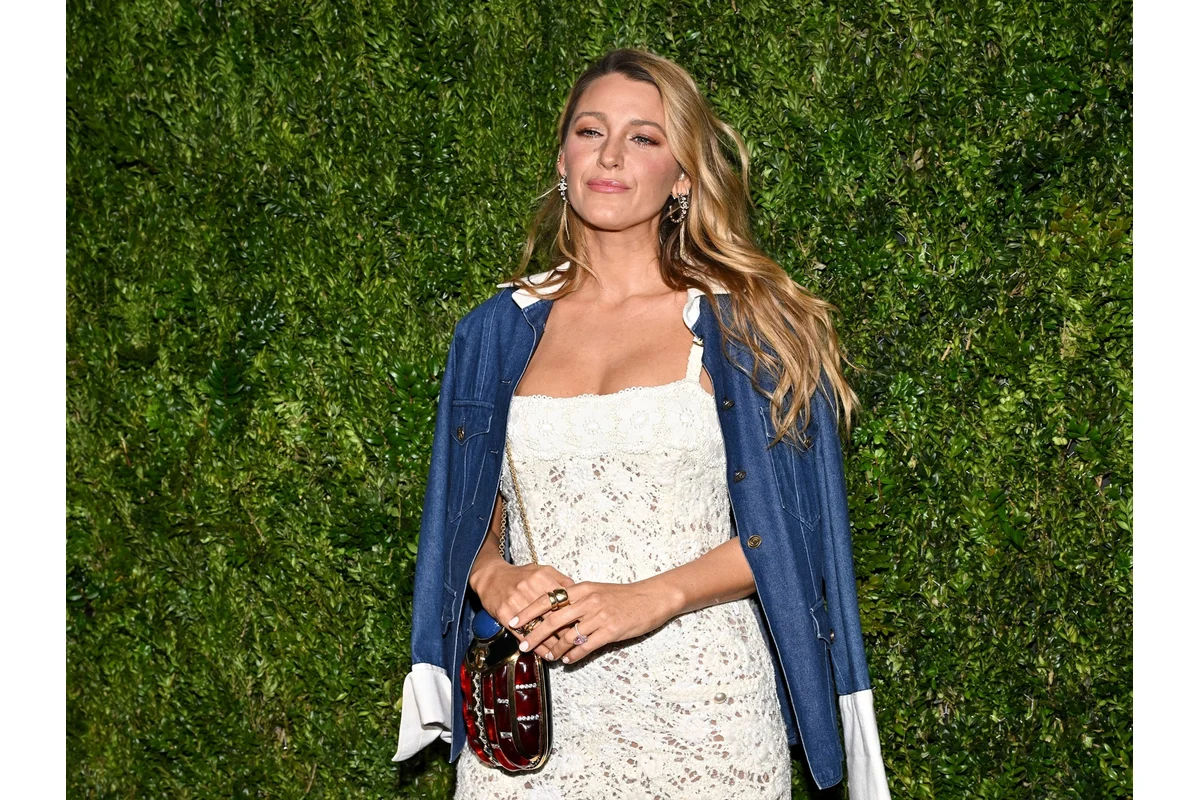
Justin Baldoni’s legal team referenced the TV series Heated Rivalry during a court hearing on Thursday as part of their effort to dismiss Blake Lively’s sexual harassment claims. The mention of this show, known for its explicit scenes and improvised performances, was used to argue that the allegations lacked merit in the context of the film It Ends With Us.
Defense Uses Improvisation on ‘Heated Rivalry’ to Challenge Sexual Harassment Claims
Attorney Jonathan Bach brought up Heated Rivalry when addressing Blake Lively’s accusation that Baldoni touched her without consent during an intimate scene in It Ends With Us, according to Variety. Bach asked the court if it was familiar with the show, prompting laughter in the courtroom. When Judge Lewis Liman admitted he was not aware of it, Bach described the queer hockey romance drama as containing explicit scenes featuring male actors Connor Storrie and Hudson Williams who improvised key moments.
Bach’s defense suggested that if such improvisations by male actors in sexual scenes are commonplace, then Lively’s claims of gender-based discrimination should be questioned. He asserted that any physical contact between Baldoni and Lively was related to their characters’ relationship on screen, not influenced by her gender. Furthermore, Bach emphasized that Lively consented to participate in It Ends With Us, fully aware that the project involved “hot and sexy scenes.” He minimized her complaints, labeling them as “small potatoes” insufficient to prove sexual harassment.
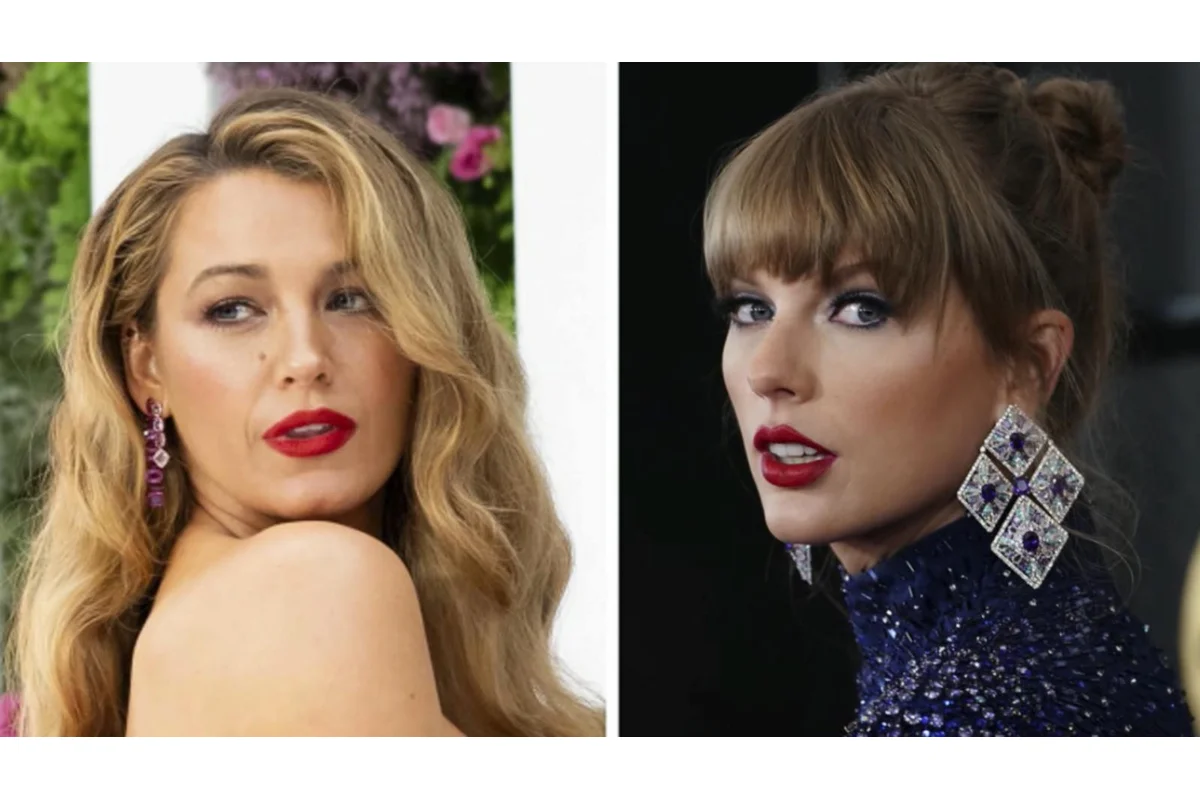
Prosecution and Judge Push Back on Defense Arguments
One of Lively’s attorneys, Esra Hudson, countered Bach’s stance by highlighting the difference between acting in intimate scenes and being subjected to unwanted physical contact. Hudson insisted that Lively was “kissed, nuzzled and touched” in ways she did not consent to, regardless of her knowledge about the film’s intimate content, as reported by Variety.
Judge Lewis Liman also challenged the defense argument, pointing out that the nature of a film’s sexual subject matter does not give Baldoni free rein to touch a co-star without permission. When Bach replied that “context matters,” the judge maintained the importance of consent regardless of the scene’s content.
Details of Blake Lively’s Allegations and Defense Response
In her lawsuit, Blake Lively claims that Baldoni sexually harassed her on set while filming a slow dance scene for a montage. Court documents obtained by Page Six state that during filming, Baldoni
“leaned forward and slowly dragged his lips from her ear and down her neck”
while whispering “It smells so good.” When Lively objected, she alleges Baldoni responded,
“I’m not even attracted to you.”
To rebut these claims, Baldoni’s attorney Bryan Freedman released behind-the-scenes footage of the slow dance scene to Page Six. Freedman asserted the scene’s purpose was to depict two characters falling in love and expressing a mutual longing, with both actors
“behaving well within the scope of the scene and with mutual respect and professionalism.”
Improvisation on ‘Heated Rivalry’ as a Benchmark for On-Set Conduct
Hudson Williams, who portrays Shane Hollander in Heated Rivalry, previously joked about the close interactions between his character and Connor Storrie’s, calling it “a nightmare for HR.” Williams told Vanity Fair,
“We got comfortable just being inches from each other’s face and invading each other’s personal space, a nightmare for HR,”
underscoring the extent of improvisation and physical closeness on set.
Legal Battle Highlights the Complexities of Consent and Performance
The ongoing dispute between Blake Lively and Justin Baldoni reflects wider challenges in distinguishing between acting intimacy and actual unwanted physical contact in film production. The courtroom exchanges reveal tensions over consent, gender dynamics, and creative freedom within intimate scenes. As the case develops, its outcome may set important precedents for how such allegations are handled in the entertainment industry.
The defense’s invocation of Heated Rivalry aims to demonstrate that unscripted physicality can be part of the acting process, but the court’s scrutiny over the boundaries of consent remains firm. Observers will closely watch forthcoming proceedings to see how the justice system navigates these complicated issues.
