
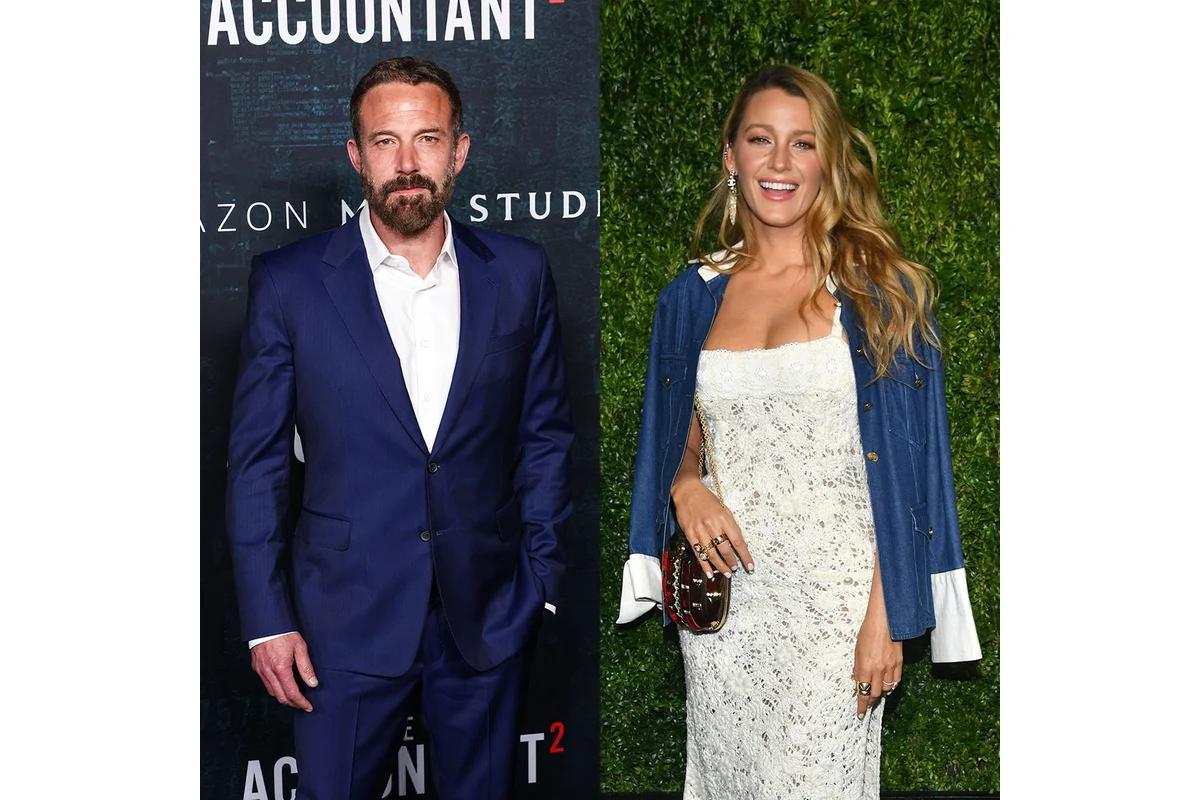
Actor and director Justin Baldoni has requested a federal judge to dismiss actress Blake Lively’s lawsuit, which accuses him of sexual harassment and retaliation during the production of their 2024 film, It Ends With Us. The hearing took place on January 22, 2026, in Manhattan, amid serious allegations related to the film’s set environment. The Blake Lively lawsuit defense centers around these claims, as Baldoni’s legal team argues the accusations are exaggerated and unsupported by sufficient evidence.
Lively’s lawsuit, initially filed with the California Civil Rights Department in December 2024, alleges that Baldoni and his production company, Wayfarer Studios, fostered a hostile work atmosphere that marginalized female employees. Lively, who co-starred in and was directed by Baldoni, contends that the defendant’s conduct included efforts to silence her and others from speaking out. The case is set for trial on May 18, with Lively seeking damages for harassment, defamation, invasion of privacy, and violations of both federal and state civil rights laws.
Defense Characterizes Lively’s Claims as Minor Incidents
During the hearing, Baldoni’s attorney, Jonathan Bach, dismissed the grievances presented by Lively as “small potatoes,” referring to them as mere “petty slights.” Bach emphasized the importance of context, noting that the film involved adult themes and required certain aesthetic decisions. He argued that sexual or sensual content becoming part of the workplace does not automatically equate to discrimination or harassment severe enough to proceed with litigation.
Bach stated,
“It’s not enough to show that sex or sexuality found its way into the workplace. Their burden is to show that it not only entered the workplace, but was used to discriminate against women.”
Despite Bach’s stance, U.S. District Judge Lewis Liman highlighted that a collection of minor issues can collectively amount to a significant problem, saying,
“A whole bunch of little things can add up to a big thing.”
The hearing followed the release of extensive documents revealing, among other claims, that Baldoni pressured Lively to simulate nudity for a hospital birth scene. Additionally, texts exchanged between Lively and singer Taylor Swift described the relationship between Lively and Baldoni during filming as
“a horror film no one knows is taking place.”
Lively’s Counsel Details Inappropriate Behavior and Boundary Violations
Blake Lively’s lawyer, Esra Hudson, refuted the defense’s characterization, insisting that Baldoni’s conduct consistently crossed professional lines. Hudson highlighted instances where Baldoni allegedly altered the scripted content by adding unnecessary sexual elements, specifically referencing a birth scene and a dance sequence where Baldoni reportedly “nuzzled” Lively without her consent.
Hudson remarked,
“You can see the look on her face. She is clearly having her boundaries crossed in that moment … She did not think this should be a hot and sexy movie at all.”
In response, Judge Liman questioned how much control Baldoni and Wayfarer Studios’ chief executive, Jamey Heath, should bear for actions taken by others on set and whether a director’s decisions should be subject to jury review.
Addressing concerns about the interaction, Baldoni’s defense stated he addressed Lively’s complaints immediately as they arose, including issues about her physical appearance. His team also justified hiring a crisis management firm after Lively made disparaging remarks publicly.
Earlier Litigation and Publicity Surrounding the Controversy
This dispute drew public attention in late 2024 when Lively filed her initial complaint with the California Civil Rights Department. The ensuing lawsuit and a critical New York Times article titled “We Can Bury Anyone”: Inside a Hollywood Smear Machine amplified media scrutiny. In retaliation, Baldoni filed a countersuit demanding US$400 million, accusing Lively and her husband, Ryan Reynolds, of defamation and attempting to damage his reputation.
However, United States District Judge Lewis Liman dismissed Baldoni’s countersuit in June 2025, along with a related US$250 million defamation claim against The New York Times. The legal tit-for-tat has kept the case highly publicized, involving several notable figures from Hollywood and beyond, including Taylor Swift, who has been linked to the ongoing controversy.
It Ends With Us achieved mixed critical reviews but succeeded commercially, grossing over US$351 million worldwide according to box office records. The ongoing legal proceedings, with a trial date set in May, will determine the future course of this high-profile case and its implications for workplace conduct within the entertainment industry.
