
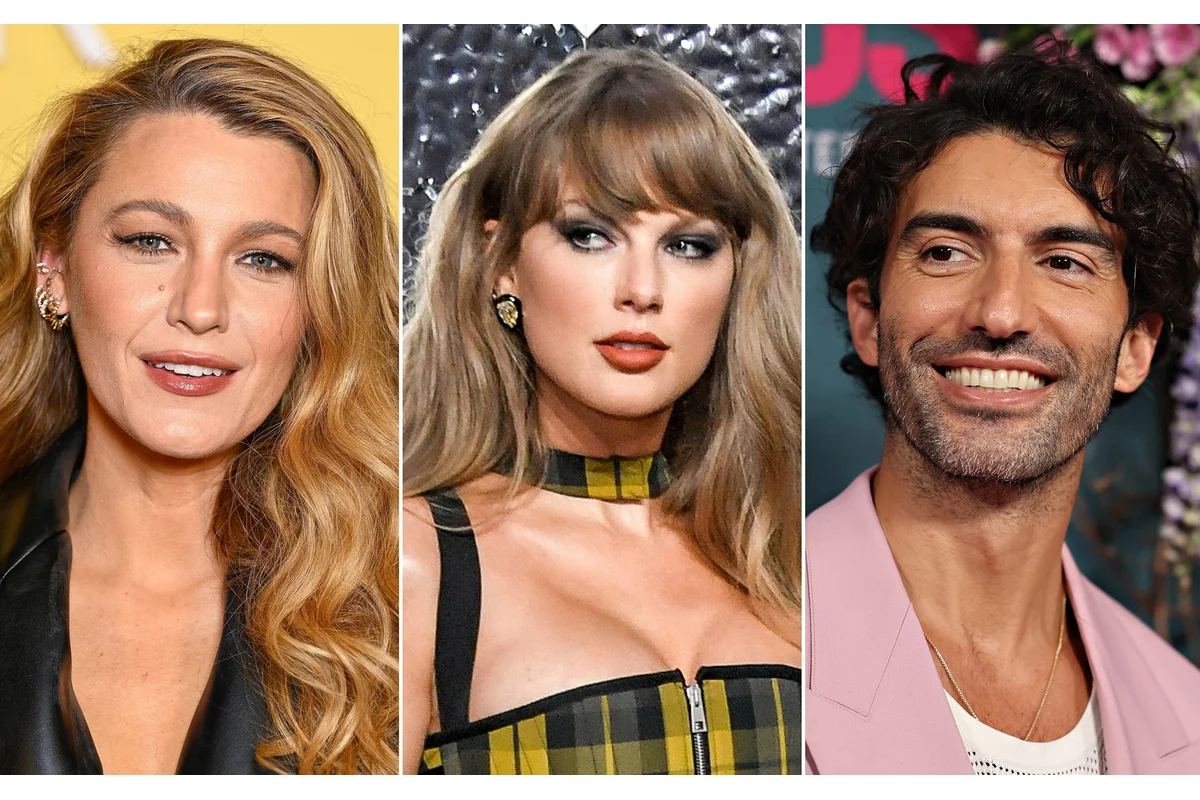
Jameela Jamil has publicly responded following her description of Blake Lively as a ‘villain’ in previously hidden text messages revealed amid the ongoing Justin Baldoni lawsuit. The 39-year-old British actress’s comments surfaced after a legal battle that centers around allegations against Baldoni, bringing intense scrutiny on communications between the involved parties. These exchanges, which took place in August 2024, coincided with early accusations regarding Baldoni’s challenging behavior during the filming of It Ends With Us.
Lively, a lead actress in the film, filed a sexual harassment lawsuit against Baldoni in December 2024, accusing him not only of misconduct but also of orchestrating a detrimental smear campaign. This legal action intensified the conflict, leading to the release of court documents containing private conversations involving Jamil, Baldoni’s publicist Jennifer Abel, and Lively’s team. These texts unveiled raw opinions and criticisms aimed at Lively’s role both on set and in her public promotion of the film.
Details of Text Exchanges and Feminist Defense from Jamil
Among the highlighted messages, Jamil referred to Blake Lively as a ‘suicide bomber,’ while Abel expressed frustration using harsh language about Lively’s handling of the film’s promotion. The actress later took to Instagram Stories to clarify her position, affirming her commitment to feminism but emphasizing that feminist women do not need to maintain friendships or agree on everything. She stated,
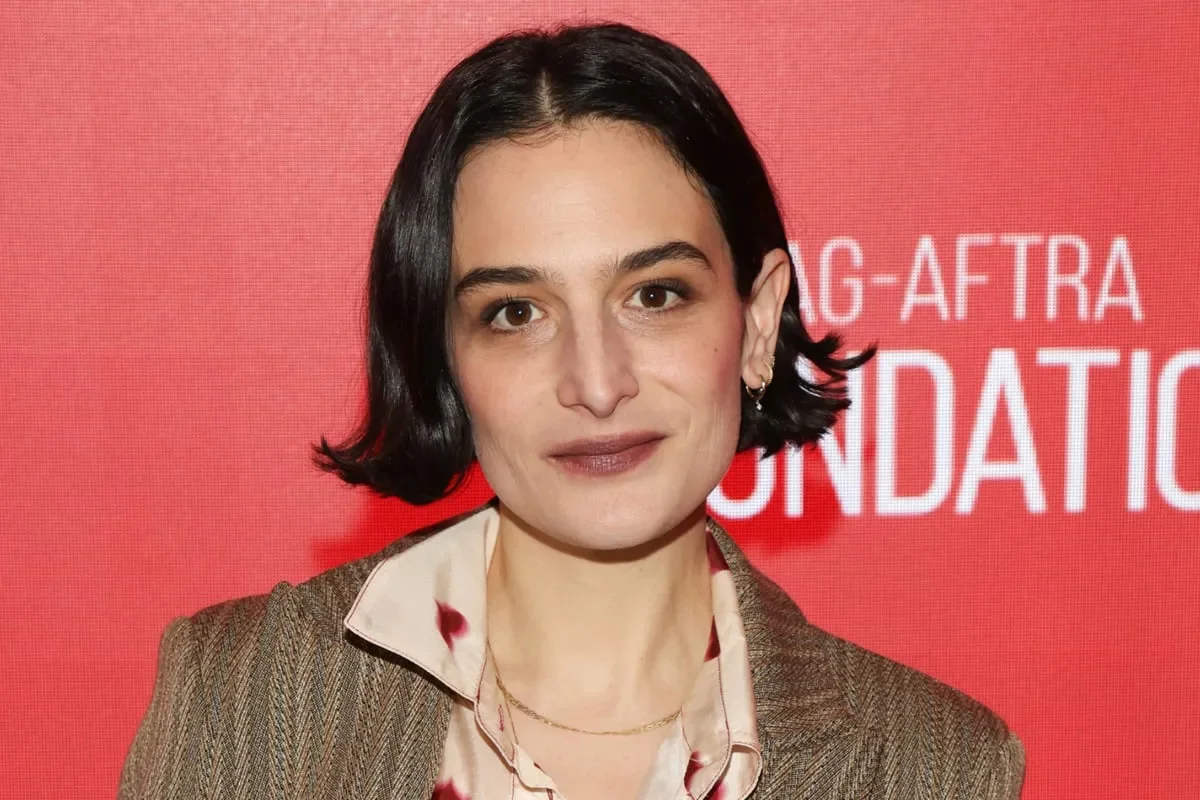
“Guys, feminism means fighting for the political, social and economic equity of women, for women.”
Jamil expanded on this, saying that women can have disagreements while continuing to support women’s rights.
Jamil further explained,
“You can criticize me, you can do whatever you want as long as you are also fighting for their human right to the same things that men have.”
She said feminism is both a moral and political commitment, and that disagreement among women does not diminish one’s feminist principles.
“So, if you are fighting for women’s rights but you don’t get along with every single woman, it doesn’t make you a bad feminist. You’re still a feminist. Keep fighting for those rights and thank you for fighting for those rights,”
she concluded.
Context of the Lawsuit and Related Legal Actions
Blake Lively’s initial sexual harassment suit against Justin Baldoni occurred more than a year ago, followed by Baldoni’s countersuit seeking $400 million in damages. Additionally, he filed a $250 million libel lawsuit against the New York Times, which had covered the allegations; this claim was dismissed by a judge in June 2023. The trial, initially slated for March 2024, was postponed to May, prolonging the legal tension surrounding the case.
The revealed 181 pages of court documents include texts between Jamil and Jennifer Abel dating to August 2024, at which point accusations of Baldoni’s “difficult” and reportedly “borderline abusive” conduct on set were becoming public. These messages also show shared reactions mocking backlash toward Lively’s promotion of the film, which critics found insensitive to the film’s serious domestic violence theme.
Behind-the-Scenes Tensions and Public Criticism of Lively’s Promotion
Jamil and Abel’s texts illustrated their disparagement of Lively’s social media posts promoting the movie. Abel wrote,
“I want to officially incorporate nightmare c**t and demon c**t into my vocabulary; UNBELIEVABLE; She’s doing this to herself,”
to which Jamil responded,
“She’s a suicide bomber at this point.”
The dialogue continued with Jamil pointing out that at least claims of “borderline abusive” behavior against Baldoni were acknowledged, preventing a more severe label like “predator.”
The exchanges also discussed Lively’s “tone-deaf” approach to raising awareness of domestic violence through a survivors’ support hotline link and statistics she posted, which many viewed as cold and superficial. Jamil wrote,
“Did you see Blake post that survivors link? Dead.”
Abel agreed, “Oh yes, it’s so sick,” and Jamil added,
“So cold; Just some stats and a link.”
Abel jokingly suggested having Baldoni share the information, but both favored keeping him distanced from Lively’s sphere, with Jamil saying,
“Keep him silence; Keep him in Sweden.”
In a subsequent message, Abel admitted her strong dislike, echoing Jamil’s sentiments by calling Lively’s behavior “such a bizarre villain act” and declaring that Lively was “OVER over.”
Ripple Effects on Relationships and Additional Revelations from Court Files
The newly public documents also revealed tensions spilling over into Lively’s personal relationships, notably with singer Taylor Swift. The lawsuit against Baldoni caused a rift between the longtime friends, with messages showing attempts at reconnection after Swift remarked that Lively’s communications resembled impersonal “mass corporate emails.”
Furthermore, texts from Lively and her husband Ryan Reynolds to Matt Damon and his wife Luciana Barroso surfaced, criticizing Baldoni’s “enormous ego.” Additional correspondence included co-star Jenny Slate’s blunt remarks describing the movie’s production as
“a really gross and disturbing shoot.”
Slate expressed clear disapproval of both Baldoni and producer Jamey Heath, calling them “truly unfit.”
Jamil’s Broader Activism and Previous Controversies
Jamil’s outspoken nature extends beyond this incident; she has drawn criticism for other social media comments, including disapproval of tennis star Serena Williams’s promotion of a GLP-1 weight loss drug. The actress has admitted to previously engaging in online trolling behavior without fully recognizing its impact, illustrating a complex public image shaped by her candidness and activism.
Implications of the Court Documents for All Parties Involved
The exposure of these messages adds layers of complexity to the lawsuit involving Justin Baldoni and Blake Lively, showcasing the private frustrations and alliances behind the public dispute. Jameela Jamil’s remarks, while controversial, highlight how personal and professional tensions among actresses and their associates intertwine with broader themes of feminism and accountability. These revelations may influence public perception and potentially the legal proceedings as they continue to unfold.
