

Actor Ethan Hawke has voiced sharp criticism of superhero movies, emphasizing his belief that these films fail to qualify as genuine cinema. Speaking out amid the continuing dominance of blockbuster superhero productions, Hawke argues that such movies prioritize commercial profit over meaningful storytelling, undermining the artistic integrity of filmmaking.
Concerns Over Declining Film Quality in Mainstream Cinema
Hawke laments the shift in cinematic priorities since the 1960s and ’70s, an era when films displayed a unique warmth and craftsmanship due to their grainy film stock and artistic care. Today, mainstream movies, particularly big-budget superhero franchises like those from Marvel, have become formulaic and flat, relying heavily on dazzling special effects and established characters rather than original or impactful narratives. According to Hawke, these films often fail to leave a lasting emotional or intellectual impression on viewers.
The Divide Between Superhero Films and “True Cinema”
Hawke acknowledges that opinions about superhero films vary and that some viewers enjoy them. However, he remains steadfast that no movie from the genre truly achieves the transformative effect of influential cinema. He states that even acclaimed superhero films like “Logan” are ultimately limited by genre conventions, falling short of the depth found in works by auteurs such as Robert Bresson and Ingmar Bergman.
“Now we have the problem that they tell us Logan is a great movie. Well, it’s a great superhero movie. It still involves people in tights with metal coming out of their hands. It’s not [Robert] Bresson. It’s not [Ingmar] Bergman,”
Hawke told The Film Stage.
“But they talk about it like it is. I went to see Logan cause everyone was like, ‘This is a great movie’ and I was like, ‘Really? No, this is a fine superhero movie.’ There’s a difference but big business doesn’t think there’s a difference. Big business wants you to think that this is a great film because they wanna make money off of it.”
Impact of Blockbuster Dominance on Smaller Artistic Films
Hawke also expresses worry that the overwhelming success of large studio superhero films threatens the visibility and survival of smaller, more challenging movies. As these big films monopolize theaters and audiences, independent and subversive films struggle to find space and recognition. This trend, he suggests, not only narrows the diversity of stories told on screen but also promotes mainstream ideas under corporate control.
The Vital Role of Film Festivals in Preserving Cinematic Diversity
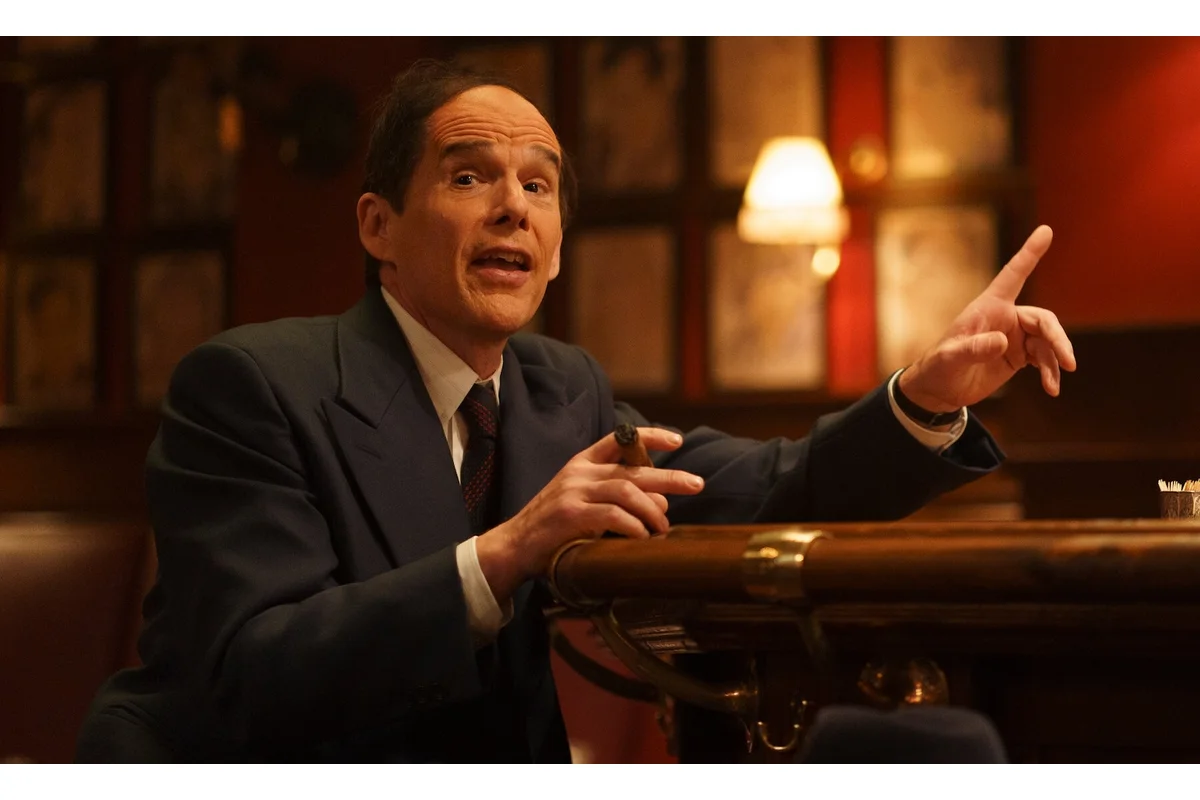
In response to this concerning landscape, Hawke highlights the crucial function of film festivals as curators of meaningful cinema and champions of smaller productions. He believes these festivals offer platforms for films that challenge dominant narratives and artistic norms, helping preserve a more thoughtful and varied film culture against the encroachment of blockbuster-driven business interests.
“That’s why film festivals have become so important because you guys at film festivals are like curators of, like, what does the world need to be paying attention to. What should be seen? If we didn’t have these festivals, big business would crush all these smaller movies,”
Hawke explained.
Looking Ahead: Challenges Facing Cinema and Audience Awareness
Ethan Hawke’s critique points to broader tensions within the film industry, where commercial imperatives often conflict with artistic values. His perspective underscores the need for audiences to remain aware of the distinctions between blockbuster entertainment and films that offer deeper reflection on the human experience. The ongoing success of superhero movies may continue to overshadow more nuanced works unless support for diverse voices in cinema grows stronger through venues like film festivals and independent theaters.

Related semantic context: related coverage · external reference.
