
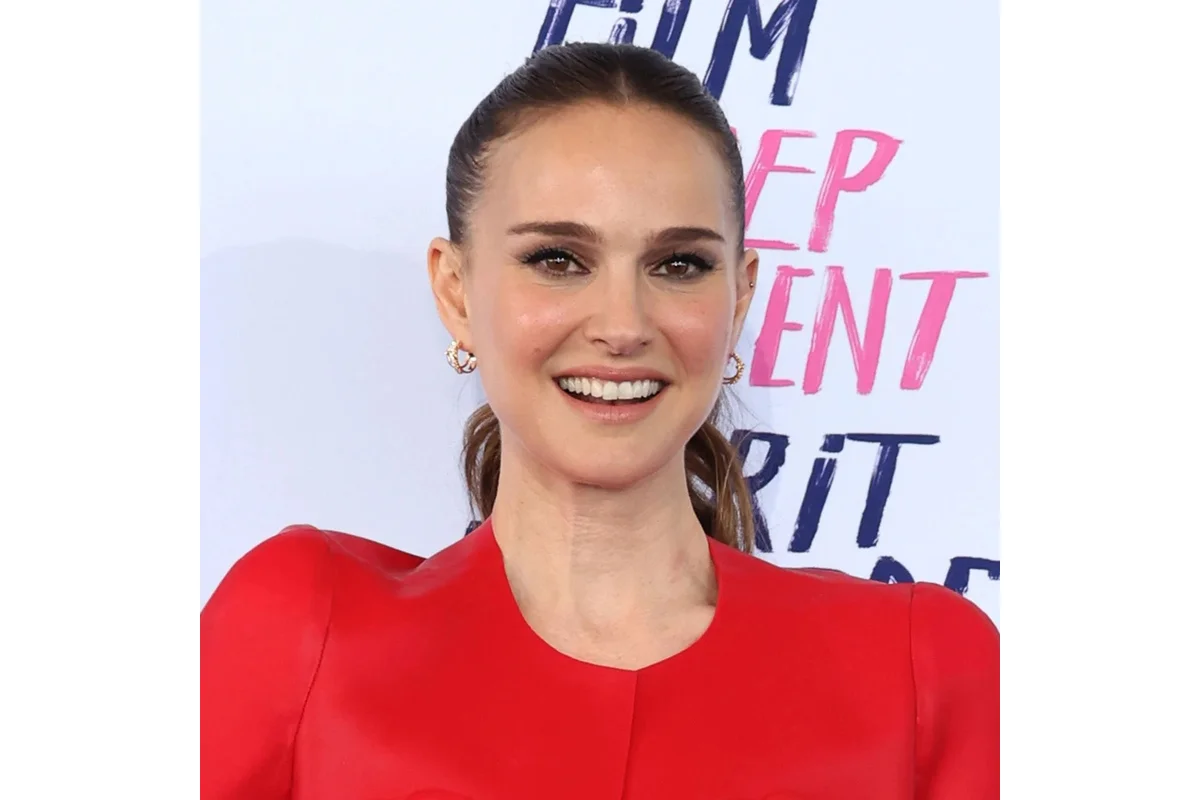
Natalie Portman has unveiled the physical cost behind her role in the 2010 psychological thriller Black Swan, revealing she suffered a ‘misplaced rib’ during the intense ballet training required for the film. The Oscar-winning actress made these revelations on The Drew Barrymore Show on January 28, 2026, highlighting the extreme demands of combining professional ballet with method acting.
Portman, now 44, discussed how the rigorous physical routines, especially being lifted and spun repeatedly by dance partners, caused a rib to slip from its normal position. Her candid disclosure sheds light on the toll the role took on her body and emphasizes the sacrifices involved in achieving such immersive performances.
An Overview of the Ballet-Related Injury
The injury Portman described as a ‘misplaced rib’ is medically identified as slipping rib syndrome or interchondral subluxation, a painful condition where a rib shifts from its usual alignment. This occurred due to the repetitive stress on her torso during the demanding choreography of Black Swan, characterized by lifts and spins.
Portman explained that the rib’s displacement felt as though it was “going under,” a direct consequence of continuous torque and pressure during dance sequences. Though it posed a temporary challenge amid her 2010 Oscar campaign, the injury illustrates the exceptional physical effort required, pushing her body beyond typical human limits.

Director Darren Aronofsky has described Portman’s work on the film as a “really hard job,” emphasizing that her role was as physically intense as that of a professional athlete. The actress’s commitment to portraying Nina Sayers, a ballerina consumed by perfection, meant enduring this intense physical strain as part of her craft.
The Grueling Daily Routine Behind Black Swan’s Realism
Mary Helen Bower, a former New York City Ballet dancer responsible for training Portman, detailed the extraordinary workout regimen the actress underwent. Portman’s daily sessions lasted up to five hours, six days per week, blending classical ballet, strength training, swimming, and endurance drills.
Bower described starting as early as 5:00 a.m., with two to three hours of ballet practice before Portman faced a demanding day of shooting that stretched as long as twelve hours. Afterwards, she would return for evening conditioning sessions that incorporated swimming and toning exercises, pushing both her stamina and flexibility to their limits.
Bower summarized the exhausting cycle:
“Then she goes home and goes to sleep, and the next day we do it all over again,”
highlighting the repetitive and relentless nature of Portman’s preparation for the role.
How Dedication Contributed to Award-Winning Success
Portman’s unwavering dedication to her physical transformation was pivotal in winning the Academy Award for Best Actress in 2010. Aronofsky has praised her ability to combine the physical challenges of ballet with the film’s psychological intensity, resulting in a performance that remains influential.
Despite the rib injury, Portman clarified in interviews that the condition was temporary and healed fully after modifying how lifts were performed and allowing time for recovery. No lasting damage was reported, consistent with common medical outcomes for such injuries when properly managed.
Her commitment to physically demanding roles extended beyond Black Swan, notably in the film Jackie (2016), where she portrayed Jacqueline Kennedy. Although her recent project, the animated film Arco, required less physical exertion, Portman continued to develop her skills, including voice training as an executive producer and voice actor.
Current and Upcoming Projects Reflecting a Shift in Focus
Portman’s recent and upcoming work demonstrates a transition toward projects that emphasize intellectual and artistic contributions rather than physical extremes. The animated sci-fi film Arco, nominated for Best Animated Feature at the 2026 Academy Awards, features Portman as executive producer and the voice of Iris’s mother. She remarked that voice acting allowed her to be
“valued for what you bring and not what’s on the outside,”
contrasting with the physical scrutiny of her ballet training days.
Looking forward, Portman is set to portray Rosalind Franklin, the British scientist crucial to discovering DNA’s double-helix structure, in Photograph 51, directed by Tom Hooper. Her involvement in calling out the 2026 Oscar nominations for overlooking female directors further underscores her role as a prominent advocate for gender equality and artistic integrity in Hollywood.
Portman’s reflections on her past injuries and her ongoing career trajectory highlight the physical and emotional sacrifices actors endure to achieve authenticity while signaling her evolving priorities in choosing impactful and empowering roles.
Related semantic context: related coverage · external reference.
