
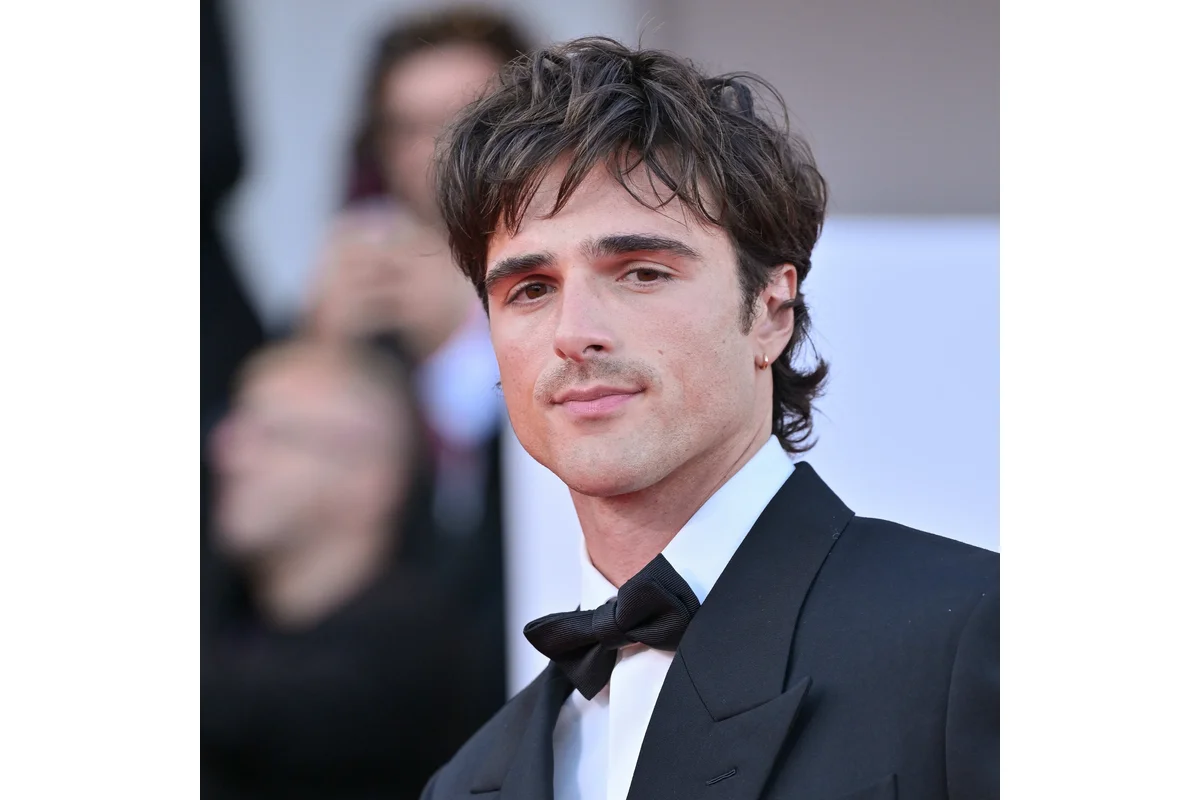
Miles Teller is the primary entity for this article, supported by Entertainment topic context.
Related WII context: related keeper article. External authority context: industry context.
The upcoming Michael Jackson biopic, directed by Antoine Fuqua, has drawn significant attention for casting Miles Teller in an unexpected role. Teller portrays John Branca, the entertainment lawyer who managed Jackson’s career after the singer dismissed his father, a focus that has sparked controversy as the film revisits the pop star’s early life and rise to fame.
Inside the Casting Choices and Film Focus
The film Michael aims to spotlight the early years of Michael Jackson, featuring Nia Long and Colman Domingo as his parents. While the casting of Long and Domingo as Jackson’s mother and father fits expectations given their reputations, Teller’s role as John Branca has caught many by surprise. Branca was a critical figure in steering Jackson’s career, especially after the transition from his father’s management. Beyond his on-screen representation, Branca also serves as a producer of the film and is an executor of Jackson’s estate.
John Branca’s Integral Role and Public Criticism
John Branca’s influence in Jackson’s career has been well documented, with many crediting him for shaping Jackson into the iconic star recognized worldwide. However, his involvement has also been a source of friction, particularly with Jackson’s daughter Paris. She has voiced concerns over the portrayal and handling of Jackson’s legacy in the biopic, arguing that the depiction of Branca may be overly flattering and inaccurate. Paris has further questioned the necessity of hiring a prominent actor like Miles Teller to play a figure largely unknown to the public, as well as accusing Branca of mismanaging estate funds and exaggerating his significance in Jackson’s success.
Challenges Behind the Film’s Production and Narrative
Originally, the movie’s storyline included addressing the 1993 child molestation accusations against Michael Jackson. However, legal constraints prevented the filmmakers from depicting Jordan Chandler, one of the accusers. This legal limitation necessitated extensive reshoots, and it is reported that the film may be released in two parts to accommodate the changes. The transformation of the script led to concerns about the narrative being sanitized, given that Branca, who benefits from maintaining a positive portrayal, helped produce the film. This has fueled skepticism over how balanced and complete the biopic’s portrayal of Jackson’s life will be.
How Childhood Memories Contrast with Current Perspectives
Reflecting on personal connections to Michael Jackson, the film’s story resurfaces memories of his pervasive influence during childhood. Andrew Sanford recalled how Jackson’s music was a staple in his home, appreciated by his family and inspired by Jackson’s iconic appearances, such as his role on The Simpsons. Yet, as details of Jackson’s personal controversies emerged, especially surrounding the 1993 allegations and 2005 trial, admiration grew complicated. These mixed feelings highlight the challenges of revisiting Jackson’s life on screen decades later.
What the Biopic’s Release Could Mean for Jackson’s Legacy
The film’s approach to documenting Michael Jackson’s rise and personal struggles, particularly through the lens of legal and familial conflicts, points to a complex legacy still being navigated publicly. With key figures like John Branca shaping the production, questions linger about the authenticity and completeness of the story told. The involvement of high-profile actors such as Miles Teller and changes in the narrative underscore the ongoing tension between preserving Jackson’s image and confronting the controversies that surrounded him. How audiences will receive this interpretation may influence ongoing discussions about Jackson’s life and career.
“Michael Jackson’s music was played constantly in my house when I was growing up. My parents loved him, as did my brothers and I. It certainly helped that, in addition to making the Thriller music video, he had appeared in an episode of The Simpsons, something that James L. Brooks and Matt Groening eventually realized may have been done for more insidious reasons. And, to be fair, it worked like a charm on us three impressionable young boys.” – Andrew Sanford, Writer
“I can’t say what exactly made things change in my mind. While I wasn’t old enough to really know what happened with the 1993 accusations against the singer, I remember tuning in for reenactments of the 2005 trial, because Jimmy Kimmel was playing Jay Leno in them, and that was exciting to 13-year-old Andrew, I guess. Memories mix together, but I also feel like that was around the time MJ dangled his child over a balcony, something I wanted to recreate as a political cartoon using the Lion King’s Pride Rock scene as a reference (but I couldn’t draw).” – Andrew Sanford, Writer


