Jeff Bridges is the primary entity for this article, supported by Entertainment topic context.
Related WII context: related keeper article. External authority context: industry context.
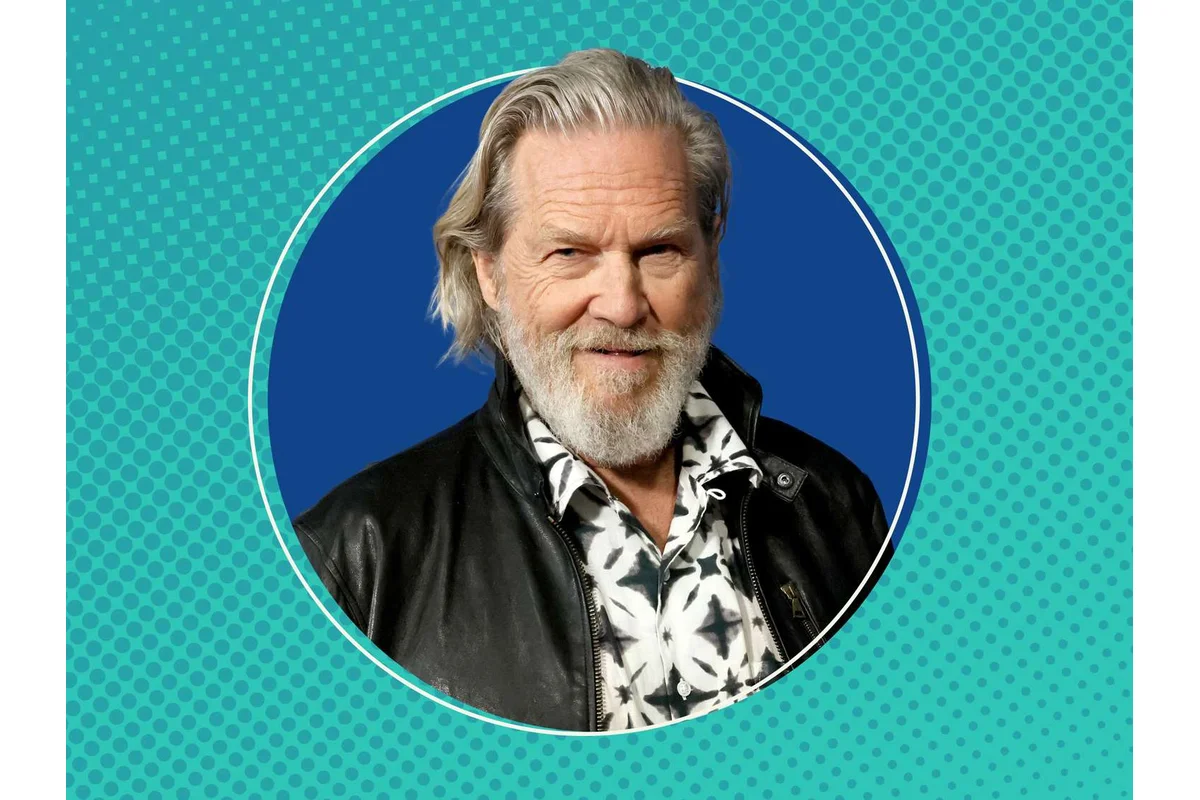
Jeff Bridges, widely regarded as one of the most talented actors of his generation, shared candid reflections on the most disheartening project of his career during a recent roundtable hosted by The Hollywood Reporter. Despite an extensive and impressive filmography, Bridges pinpointed a lesser-known 1986 film as his personal worst experience, revealing the challenges and frustrations he endured on set. This reluctant revelation sheds light on the struggles behind the scenes and underscores how even accomplished actors face setbacks in otherwise celebrated careers.
Behind the Scenes of “8 Million Ways to Die”
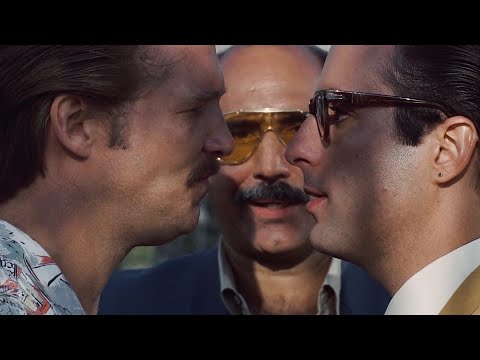
During the 1980s, Bridges starred in 8 Million Ways to Die, the final project of acclaimed director Hal Ashby, which continues to weigh heavily on Bridges’ mind. The film, an adaptation of detective novels by Lawrence Block, featured Bridges as Matthew Scudder, a police officer battling a psychological crisis after a traumatic shooting incident. Intended as a gritty exploration of police trauma and its impact on personal relationships, including that of Scudder and his wife Sarah, played by Rosanna Arquette, the movie instead became a troubled production marked by interference and conflict.
Bridges explained,
“I did a movie, oh, this makes me sad to even say this, Hal Ashby’s last movie, 8 Million Ways to Die,”
adding,
“They had no respect for him, and this one producer sabotaged Hal terribly. He sent a spy to watch us and report back to him. And finally, this producer showed up – we had about three days to go, big scenes – and he said, ‘I’m shutting you guys down. Today is your last day.’”
Jeff Bridges, Actor
The production faced continuous obstacles. The original screenplay was co-written by Oliver Stone, who left the project to direct Salvador, leaving the script incomplete. Upon taking over, a distributor known as Producer Sales Organisation (PSO) imposed strict deadlines that forced the cast and crew to drastically cut scenes, sometimes reducing complex storylines to brief phone conversations. After filming wrapped, PSO fired Ashby and replaced the editor, softening the film’s tone and diluting its original intensity.
The Legacy and Impact of a Troubled Film
Though 8 Million Ways to Die maintains a small following, it failed to fulfill the potential expected from both Ashby and Bridges. Hal Ashby, whose career included classics like Harold and Maude and Being There, did not receive the respectful treatment one might expect for a director of his stature. Bridges’ frustration reflects not only disappointment with the movie’s final form but also a sense of injustice about the mistreatment of the creative team.
This difficult experience stands out as a notable low point in Bridges’ otherwise distinguished career, illustrating how external pressures can undermine even the most promising projects. For fans and industry observers, it serves as a reminder of the challenges filmmakers face when creative vision clashes with commercial interests.