
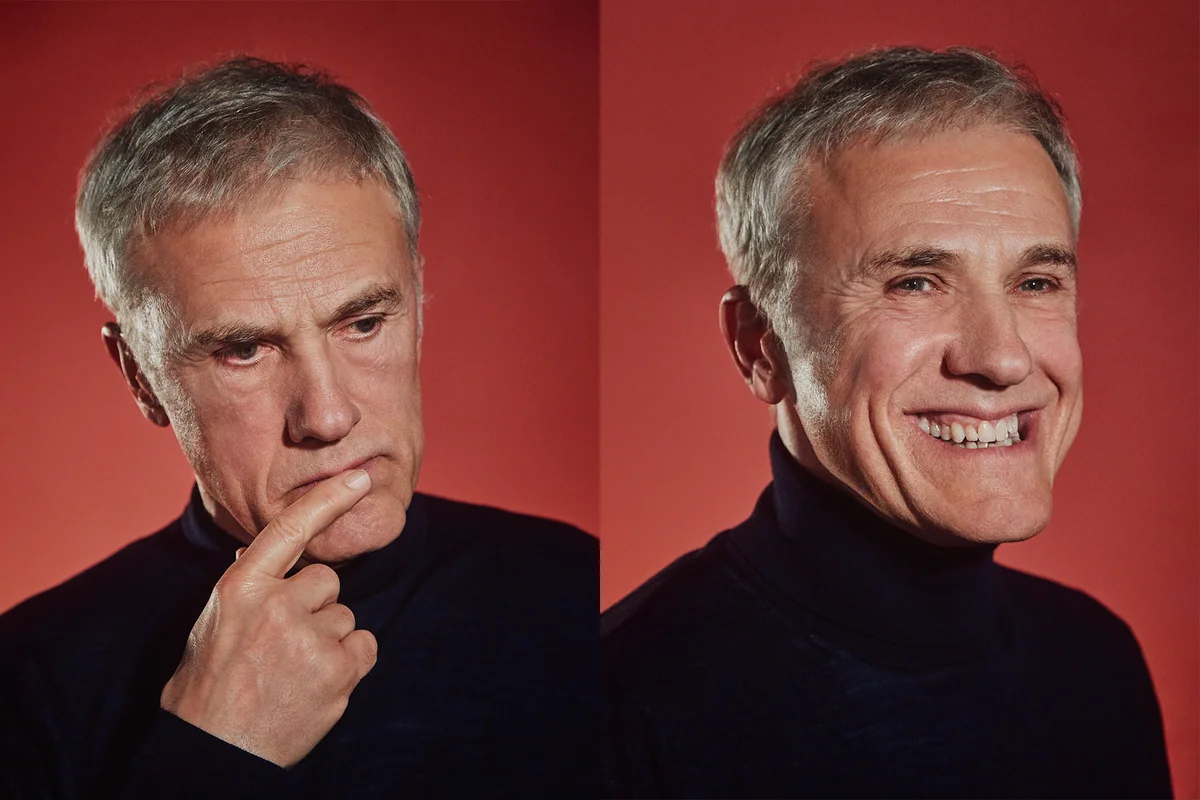
Christoph Waltz is the primary entity for this article, supported by Entertainment topic context.
Related WII context: related keeper article. External authority context: industry context.
On February 6, 2026, Christoph Waltz, the Austrian actor known for his nuance and precision, revealed that horror was never a genre he personally enjoyed. Despite this, Waltz takes on prominent roles in Guillermo del Toro’s new Frankenstein and Luc Besson’s upcoming Dracula projects. These films represent a new chapter in his career, focusing on iconic horror stories that were not part of his cultural upbringing or literary background.
Waltz explained to Variety,
“I wasn’t into horror. Both Frankenstein and Dracula are not part of the German-speaking literary canon. So they were mostly movies to me. I was duly impressed by them, but I didn’t lose my self-control.”
This candid admission emphasizes his outsider perspective on classic horror tales while preparing to portray characters embedded in these mythologies.
Austrian Actor Takes on Key Roles in Major Horror Films
In these new adaptations, Waltz plays Henrich Harlander, a wealthy benefactor to Victor Frankenstein and a Van Helsing figure opposite Caleb Landry Jones’s Dracula. Waltz was drawn to these roles primarily to collaborate with esteemed directors Guillermo del Toro and Luc Besson. He noted,
“I thought, ‘If anyone’s going to do Dracula with a new perspective, it’s Luc Besson’. I always want to work with great people. I was very flattered when he asked me. I didn’t really expect Dracula to be up his alley, but it turned out to be a wonderful collaborative process.”
These remarks underscore Waltz’s admiration for both directors and his openness to exploring unfamiliar genres when paired with creative talent he respects.
Luc Besson Praises Waltz’s Subtle and Generous Acting Style
Luc Besson, renowned for directing The Fifth Element, has expressed high regard for Waltz’s work ethic and approach to acting. Besson shared,
“He’s very minimalist in the role. He doesn’t overact or anything. He’s very specific, very precise. The only way to get to this kind of performance is if you are so full of information and character that you don’t have to play it. And he’s so sweet with everyone. He’s helping everybody on the set; he’s a generous actor with others. That’s not always the case, so he helped me a lot.”
This feedback highlights Waltz’s ability to deliver rich performances while maintaining a supportive presence on set, characteristics that have made him a valued collaborator.
Co-Star Caleb Landry Jones Reflects on Working with Waltz
Caleb Landry Jones, who plays Dracula opposite Waltz, described the impact of Waltz’s professionalism on set.
“He’s prepared and ready in a way that I strive to be,”
Jones said.
“I feel like when I come to set, I’m still figuring so much of it out. When I look to Christoph, I feel like if I can get out of my own way and join him in the place that he’s at, then we might have something. I think when acting with someone of that calibre, you can’t help but rise…”
Jones’s comments reflect both his respect for Waltz’s craft and the motivating influence Waltz exerts on fellow actors, especially in demanding roles.
Approach to Iconic Characters Without Imitation
Despite the long history of Dracula adaptations, Waltz does not rely on previous portrayals for inspiration. He explained,
“I use the background, not other people’s foreground. Sometimes it’s a little difficult. If you have an iconic performance like Bela Lugosi’s, that should not direct your thinking. So you take the script and then you go from there.”
This statement demonstrates Waltz’s commitment to originality and fresh interpretation rather than replicating past versions, especially important when tackling roles embedded in pop culture history.
Valuing Every Role Regardless of Screen Time
Waltz also emphasized the importance of all acting parts, regardless of their size or prominence.
“Every part is a leading part. It may be for a second or two only, but when you have something to contribute, you’re leading. Supporting a main part—especially if you get to play the antagonist—is a fantastic task,”
he said.
His perspective reflects a deep respect for the craft of acting and acknowledges the impact supporting roles can have within a story, particularly those that challenge or drive the protagonist.
Significance of Waltz’s Horror Roles in His Career
Christoph Waltz’s involvement in the horror genre, despite his initial lack of enthusiasm, marks a notable evolution in his career portfolio. By working with celebrated directors Guillermo del Toro and Luc Besson, he brings a nuanced presence to classic horror figures like Frankenstein’s benefactor and Van Helsing. The collaboration among such distinguished talent promises a fresh and thoughtful approach to well-known myths, potentially reshaping audience expectations.
As these projects progress, Waltz’s performances may offer a blend of subtlety and intensity that enriches the horror genre, while his openness to new artistic challenges may inspire further unexpected roles in the future.
