
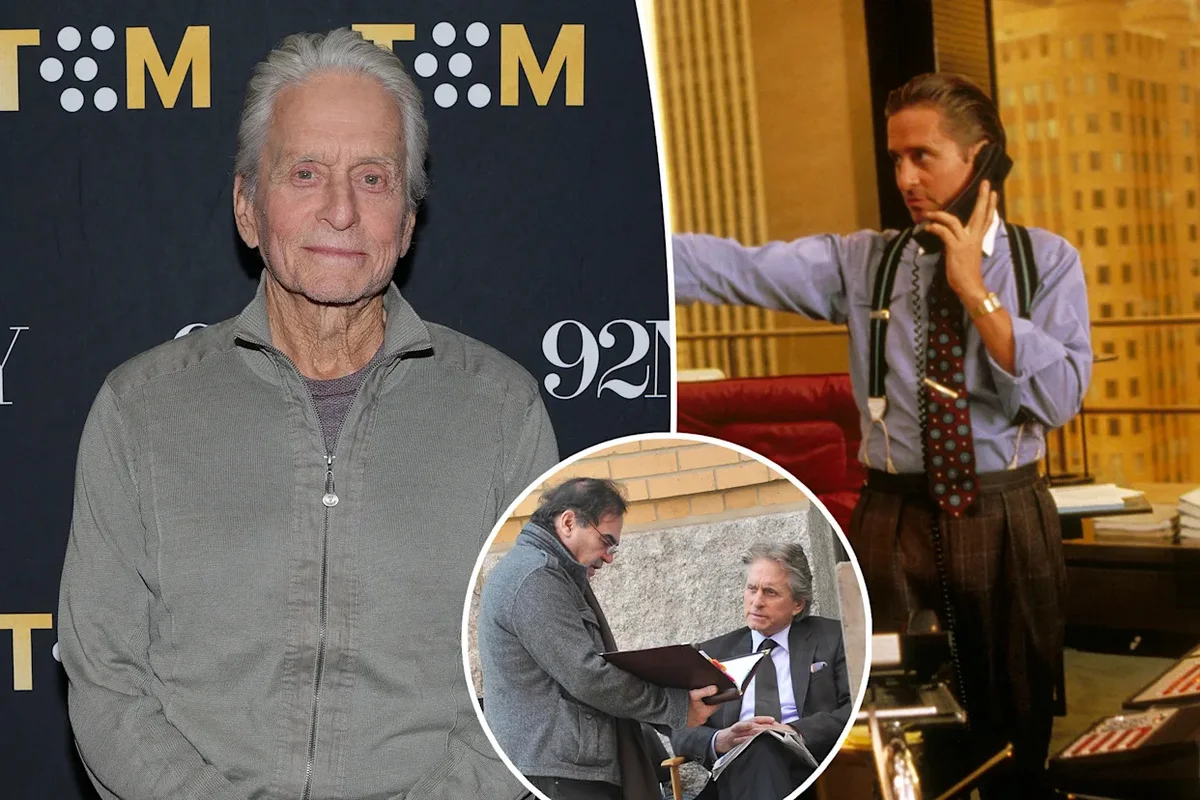
Michael Douglas is the primary entity for this article, supported by Entertainment topic context.
Related WII context: related keeper article. External authority context: industry context.
At the TCM Classic Film Festival in New York City, Michael Douglas shared an intense moment from the 1987 production of Wall Street, when director Oliver Stone confronted him about his acting, questioning if he had been using drugs on set. This revelation sheds light on the challenging dynamic behind the scenes during the making of the film, which remains iconic for its portrayal of high-stakes finance.
Oliver Stone’s Initial Doubts About Douglas’ Performance
Michael Douglas recalled a critical early encounter with Oliver Stone during filming. After two weeks on set, Stone unexpectedly knocked on Douglas’ trailer door and asked, “Are you doing drugs?” to which Douglas firmly replied no. Stone expressed concern that Douglas appeared inexperienced and unconvincing as an actor, telling him he looked like he had
“never acted before in your life.”
Okay, so we were finishing the second week of filming, and there was a knock on my door. ‘Hey Mike, it’s Oliver. Can I come in?’
Douglas remembered (via EW).
I say, ‘Yeah, come on in.’ He comes in the trailer and sits down. He says to me, ‘You okay?’ I said, ‘Yeah, I’m okay.’ [He says], ‘Are you doing drugs?’ I said, ‘No, I’m not doing drugs.’ And he said, ‘Because you look like you’ve never acted before in your life.’
Douglas’ Self-Critique and Stone’s Persistent Pressure
During this period, Douglas admitted to not watching the daily footage of his scenes, a common practice known as viewing dailies, because he tended to focus on flaws and what might be cut from the final film. Stone urged him to watch the footage to better assess his performance, reflecting the director’s push for improvement.
because I’m one of those guys that always sees what’s wrong or what’s not going to be in the film… so I don’t pay attention to the dailies. So I said, ‘I guess I’d better take a look,’ and he said, ‘Yeah, you better.’
When Douglas reviewed the daily shots with greater scrutiny, he began to feel more confident about his acting, which strained but ultimately improved his collaboration with Stone.
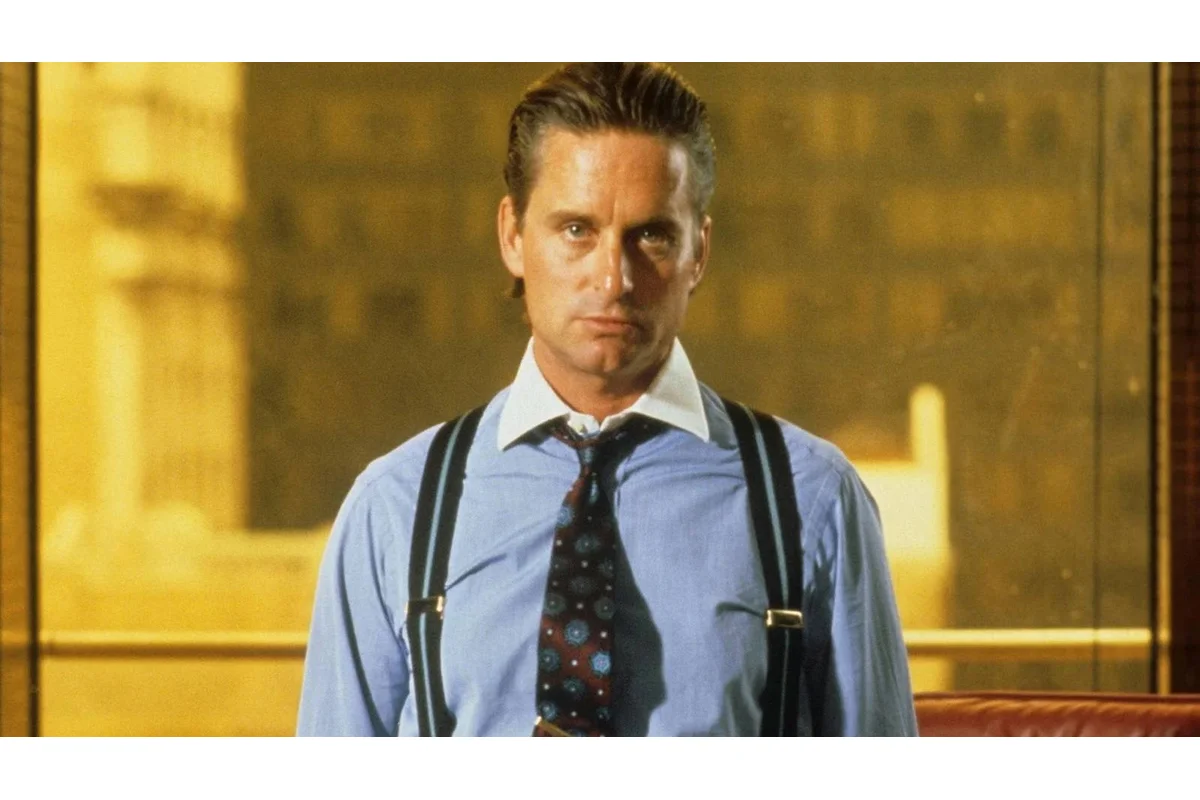
And then I’m looking at them really hard, and critically, and they seemed pretty good,
Douglas said,
So I keep saying, ‘I think it’s pretty good.’
From Tension to Trust: The Evolution of Stone and Douglas’ Working Relationship
Despite Stone’s early harsh criticisms, their working relationship developed positively. Douglas described how Stone’s tough approach was part of a method to push him toward a stronger performance, rather than a personal attack. Stone’s reputation for eliciting intense portrayals from actors came through in his treatment of Douglas.
He was willing for me to hate his guts for the rest of this movie to get that extra little push,
Douglas reflected.
His record of successes with actors is quite impressive. So I’m deeply, deeply appreciative of the fact that it gave me part and the fact that he pushed me to another level.
Douglas portrayed Gordon Gekko, the ruthless corporate raider in Wall Street, opposite Charlie Sheen’s young stockbroker and Daryl Hannah. The film’s portrayal of greed and moral conflict defined its era and made Douglas’ performance memorable.
Recognition and Legacy of Douglas’ Role in Wall Street
Michael Douglas’ performance earned him critical acclaim, including an Academy Award for Best Actor, a Golden Globe, and recognition from the National Board of Review. His role as Gordon Gekko became iconic, cementing his career status in Hollywood. Douglas reprised this character in Oliver Stone’s 2010 sequel, Wall Street: Money Never Sleeps, revisiting the complex figure nearly 25 years later.
Oliver Stone’s Perspective on Douglas as an Actor
Film critic Matt Zoller Seitz’s book, The Oliver Stone Experience, captures Stone’s nuanced view of Douglas as an actor. Stone acknowledged that Douglas was sometimes uncomfortable in his roles, frequently searching for the right expression and often conveying underlying tension through physical mannerisms. Stone appreciated Douglas most in projects like Wall Street, where his portrayal of a villain was well-suited and compelling.
I think he was more comfortable [playing a villain], but I think Michael struggles for comfort levels. I mean, he’s not comfortable, per se; he’s always looking. If you notice, he moves his shoulders a lot. When he’s misused, which he sometimes is in films, that cockiness of Gekko can be irritating, smarmy, in the wrong roles. But I like Michael when he’s doing it in good movies, with good material. I liked him in ‘Wall Street’ very much.
The Lasting Impact of Michael Douglas’ Wall Street Role
The tense interactions between Douglas and Stone during filming reflect how creative friction can lead to powerful performances. Douglas’ eventual triumph and awards recognition show the success born from demanding directorial challenges. The legacy of Wall Street continues to influence portrayals of ambition and corporate ruthlessness, with Douglas’ Gordon Gekko remaining a defining character in cinema history.
